
With the cold winters in Massachusetts, choosing the right heating system for your home is crucial. But with so many options available, it can be overwhelming to know where to start.
In this blog post, we’ll discuss the factors you need to consider when choosing a heating system for your home. We’ll cover everything from the size of your home, energy efficiency, and fuel type to maintenance requirements and cost. By understanding these key factors, you can decide which heating system is best suited for your needs. So whether you’re building a new home or considering upgrading your current heating system, read on to learn more about what to consider before making your final decision.
Factors to Consider When Choosing a Heating System
When selecting a home heating system, there are several factors to consider beyond the size of your house. It is essential to assess the initial installation costs and long-term expenses, such as energy efficiency ratings, to decide on your home’s heating needs. In addition, it is critical to consider the type of fuel sources available, including propane or natural gas, baseboard heaters, radiant heat floors, and even solar panels for active solar heating.
Other factors that should be considered when choosing a heating system include noise levels, thermostat controls, ductwork systems, and air conditioning capabilities. Noise levels can affect the comfort level of your home, while thermostat controls can allow you to regulate the temperature in different rooms.
Ductwork systems are essential in evenly distributing heat throughout your space, while air conditioning can provide added comfort during hot summer months. By considering all these factors, you can ensure that you choose the right heating system for your home that meets all your needs efficiently and effectively.
Understanding the Different Types of Heating Systems
Choosing the right type of home heating system depends on various factors, such as the size of the house and budget. Different heating systems are available in the market, such as furnaces that use air to distribute heat or boilers that use water for this purpose. Heat pumps transfer outdoor air into your home, while ductless mini-split systems can be great alternatives for traditional cooling and heating systems. Radiant floor heating can also be used depending on the layout of your home, but it may require some changes in flooring or walls.
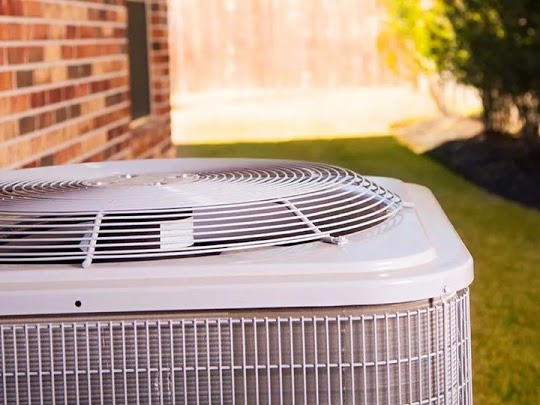
Forced-Air Furnace Heating System
Forced-air heating systems are a popular option for homeowners in North America. These heating systems utilize ducts to distribute warmth throughout your home’s living spaces. Powered by various energy sources like propane and natural gas, these systems provide a cost-effective solution for home heating needs. Although less expensive to install than other heating systems and provide sufficient warmth in homes, they can create noise pollution and dry air.
Residential Boilers Heating System
Residential boilers are a popular home heating system that uses water to distribute heat through radiators or in-floor heating systems. This system can use natural gas, oil, or electricity as fuel sources. One of the primary advantages of this system is its energy efficiency and even distribution of warmth throughout the home. However, these boilers can be expensive to install and require regular maintenance to ensure proper functioning. Homeowners often opt for this type of heating system due to its reliability and flexibility with various fuel sources.
Heat Pump Heating System
Heat pump heating systems are highly efficient and eco-friendly as they extract heat using the external environment. They transfer this heat to provide warmth to your home while operating better in moderate climates with no freezing temperatures. Choosing the right size of a heat pump for your home is essential to ensure optimal performance and achieve energy efficiency while reducing carbon footprint.
In-Floor Radiant Heating System
Radiant heating systems are a highly energy-efficient option for home heating, using tubes or electric mats installed beneath your home’s flooring to provide even, consistent warmth. These innovative systems can be powered by electricity, propane, natural gas, fuel oil, or hot water. Radiant floor heating works w any type of flooring material like tile, carpet, or hardwood. It is also more energy-efficient than traditional forced-air systems, which could help you save money in the long run.
Electric Resistance Heating System
Electric resistance heating systems are a simple and easy-to-install option that utilizes electricity to generate heat. These systems best suit smaller spaces or supplementary heating sources in larger homes. When selecting an electric resistance system, it’s essential to consider the energy efficiency ratings to ensure you’re minimizing your energy costs. By choosing an efficient electric resistance heater for your home, you’ll benefit from long-term savings on your utility bills.
Baseboard Heater Heating System
Baseboard heaters are an excellent option for homeowners looking for an efficient, low-maintenance heating system. Convection to circulate warm air throughout the room provides quiet and consistent heating without requiring ductwork. Consider the size, wattage, and safety features when choosing a baseboard heater for your home’s heating system. With its many benefits, baseboard heaters are popular for those looking to save on energy costs.
Electric Space Heater Heating System
If you need an additional heat source for your home, an electric space heater might be a good option. Electric space heaters can quickly move around and efficiently heat small areas. However, remember that these heaters may not be suitable for larger rooms or as a primary heating system. When choosing an electric space heater, consider size, cost-effectiveness, and electricity costs based on location.
Active Solar Heating System
By using active solar heating systems as an eco-friendly and sustainable option for home heating purposes, homeowners can save money on energy bills. With the help of solar panels to absorb sunlight and convert it into heat for homes, active solar heating systems offer an energy-efficient solution. Though installation costs may be high initially, assessing suitability by a professional is crucial. It’s also essential to consider maintenance requirements and government incentives before choosing this system.
Hybrid Home Heating System
A hybrid heating system is an energy-efficient option that combines various energy sources like electricity and gas. This type of heating system is versatile, customizable, and can be tailored to meet the specific heating needs of your home. Moreover, it’s eco-friendly and saves you money on energy bills in the long run. However, professional installation and maintenance are essential for optimal performance. When choosing a hybrid heating system, consider your location’s climate, insulation, budget, etc.
Gravity Air Furnace Heating System
Gravity air furnace heating systems use natural convection to circulate warm air throughout a home. Though they may be less efficient than newer systems, upgrading to a modern heating option can improve indoor air quality and save on energy bills. Homeowners must consider their climate, fuel source availability, and the size of their homes when choosing a heating system. Consulting with an HVAC professional is recommended for making the best decision for your home’s needs. Additional options include boilers, heat pumps, propane or natural gas furnaces, electric resistance or space heaters, radiant floor heating, or active solar heating systems.
How to Choose the Right Heating System for Your Home
Choosing the right home heating solution requires careful consideration of several factors. Your home’s size requirements and heating capacity are crucial in determining which solution is best suited for your needs. Additionally, evaluating fuel availability, cost efficiency, and compatibility with existing infrastructure can help narrow down your options. Environmental impact is another essential factor to consider when selecting a heating solution.
Some options may have a lower carbon footprint than others, so it’s essential to weigh the environmental impact against your other priorities. Maintenance and repair costs should also be considered, as they can increase over time. It’s important to note that there is no one-size-fits-all solution for home heating. Your specific needs, preferences, and budget will ultimately determine your best option. Consulting with a professional or doing thorough research can help you make an informed decision and select the most suitable heating solution for your home.

Maintaining Your Heating System
Regular maintenance is vital to ensure your home’s heating system is efficient and functioning optimally. Scheduling an annual check-up with an experienced HVAC technician can help identify any potential issues and ensure that the heater is working correctly. Replacing air filters periodically improves indoor air quality and prevents damage to the heating equipment. A clean environment surrounding the heating system is also essential in maintaining its optimal performance. Make sure to keep the area around your furnace or boiler clear of clutter and debris.
Additionally, monitor your energy bills regularly for any changes in efficiency that may indicate necessary repairs or maintenance work. Ignoring routine maintenance can lead to inefficiency, higher utility bills, and potentially dangerous situations such as carbon monoxide leaks. So, taking proper care of your heating system is essential to keep it running safely and efficiently throughout the year.
Conclusion
When it comes to selecting the most suitable heating system for your home, it’s critical to take into account multiple factors. These include your home’s size and layout, budget, and energy efficiency requirements. It is essential to explore all options before reaching a decision. Knowing the various heating systems available will help you make an informed choice. Whether you prefer a forced-air furnace, residential boiler, heat pump, or in-floor radiant heating system, Accurate Baker Elman in Massachusetts has everything you need. Our comprehensive guide provides insights into the advantages and disadvantages of each type of heating system to assist you in making an informed decision. Furthermore, we offer maintenance tips for your heating system, information on incentives for installing energy-efficient systems, and answers to frequently asked questions about heating systems. To decide on the best heating system for your home, read our blog today!