Why Radiator Heating Repair Matters — Especially in a Massachusetts Winter
Radiator heating repair is something every homeowner with a boiler-based system will face at some point — and knowing where to start can save you real money and a very cold night.
Here are the most common radiator problems and their quick fixes:
- Cold at the top, warm at the bottom — Trapped air. Bleed the radiator.
- Cold at the bottom, warm at the top — Sludge buildup. Needs a professional power flush.
- Banging or clanking noises — Water hammer or loose components. Check radiator pitch and valve settings.
- Leaking water — Loose valve nuts, a failed gland seal, or internal corrosion. Tighten, reseal, or call a pro.
- Radiator not heating at all — Seized thermostatic valve, low boiler pressure, or a system imbalance.
- Brown water leaking — Internal rust. Requires a full system flush and refill.
Most minor repairs — like bleeding a radiator or tightening a valve — are DIY-friendly. But anything involving pressurized steam, major leaks, or boiler components should be handled by a licensed professional.
Radiators have been heating homes since the mid-1800s, and millions of houses — including many across Massachusetts — still rely on them today. They’re quiet, they don’t blow dust around, and a well-maintained system can last for decades. But when something goes wrong in January, it goes wrong fast.
Whether your radiator is making noise, refusing to heat, or leaking onto your floor, the good news is this: most problems are fixable without replacing the whole system. The average repair costs a fraction of what a full replacement runs.
This guide walks you through every common radiator issue — how to diagnose it, what you can fix yourself, and when to pick up the phone.
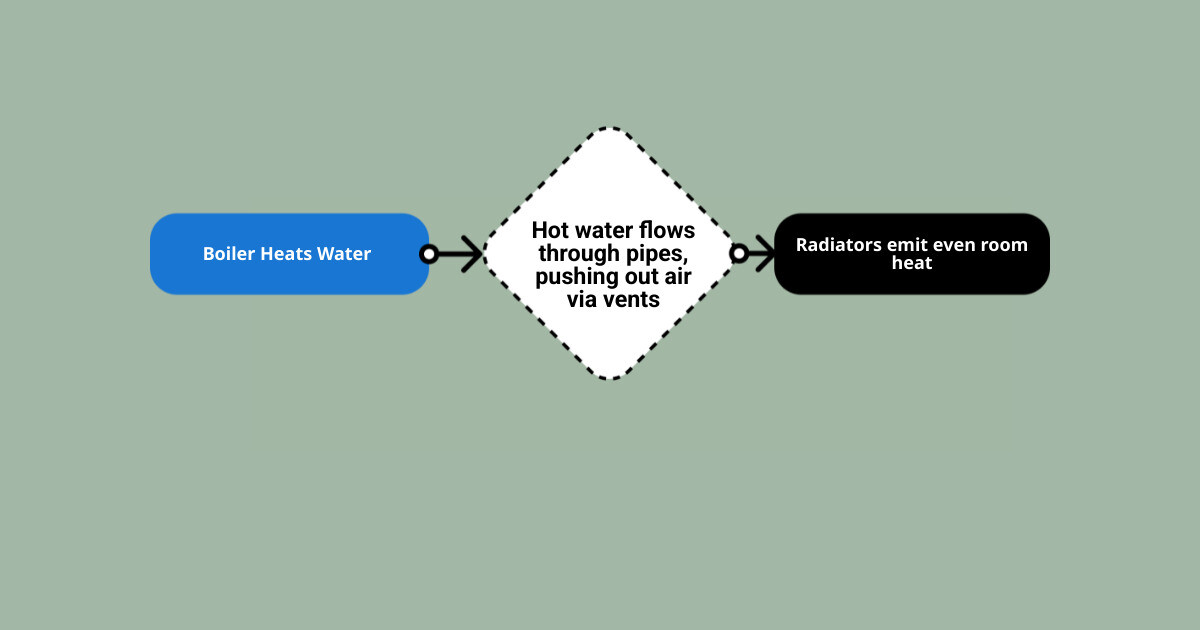
Radiator heating repair terms simplified:
Troubleshooting and Radiator Heating Repair Steps

When your home starts feeling more like a walk-in freezer than a cozy sanctuary, your radiator is usually trying to tell you something. Troubleshooting begins with observing the symptoms. Is the unit stone cold, or is it just underperforming?
One of the most frequent Common Heating Repair Issues And How To Troubleshoot Them is a radiator that feels lukewarm even when the boiler is firing at full tilt. If the unit is cold at the bottom but hot at the top, you are likely dealing with sludge buildup. This “sludge” is actually a mixture of rust and dirt that settles at the base of the radiator, acting as an insulator that prevents the hot water from heating the metal.
If you notice brown water leaking from a valve or air vent, this is a major red flag for internal corrosion. This rust can eventually eat through the metal, leading to pinhole leaks. For Radiator maintenance for renters: bleeding, noise, and cold spots, identifying these issues early is key to preventing property damage. A professional system flushing can often clear out this debris and restore your system’s efficiency, ensuring your utility bills don’t skyrocket while you’re shivering.
Identifying Steam vs. Hot Water Radiator Heating Repair Needs
Before you grab your wrench, you need to know what kind of system you have. Steam and hot water radiators might look similar, but they operate on completely different physics.
- Hot Water Radiators: These always have two pipes (one supply, one return) and are filled entirely with water. They operate at temperatures between 140°F and 180°F.
- Steam Radiators: These can have one or two pipes. One-pipe steam systems are iconic for their “hissing” air vents. These systems boil water to 212°F to create steam that travels through the house.
Identifying the correct system is vital for How to Repair These 6 Common Home Radiator Problems. For instance, if a steam radiator is banging like a drum at 3 AM, it’s often a “water hammer” issue caused by improper pitch. Steam radiators should be slightly tilted toward the supply valve so that condensed water can drain back to the boiler. If it’s tilted the wrong way, water gets trapped, and the incoming steam slams into it. A simple fix involves using wooden shims to adjust the pitch. Learning Why Your Steam Boiler Service Shouldnt Be A Nightmare starts with understanding these basic drainage requirements.
How to Bleed a Radiator and Adjust System Pressure
If your radiator is hot at the bottom but cold at the top, you have trapped air. Air is lighter than water, so it rises to the top of the unit and blocks the hot water from filling the space.
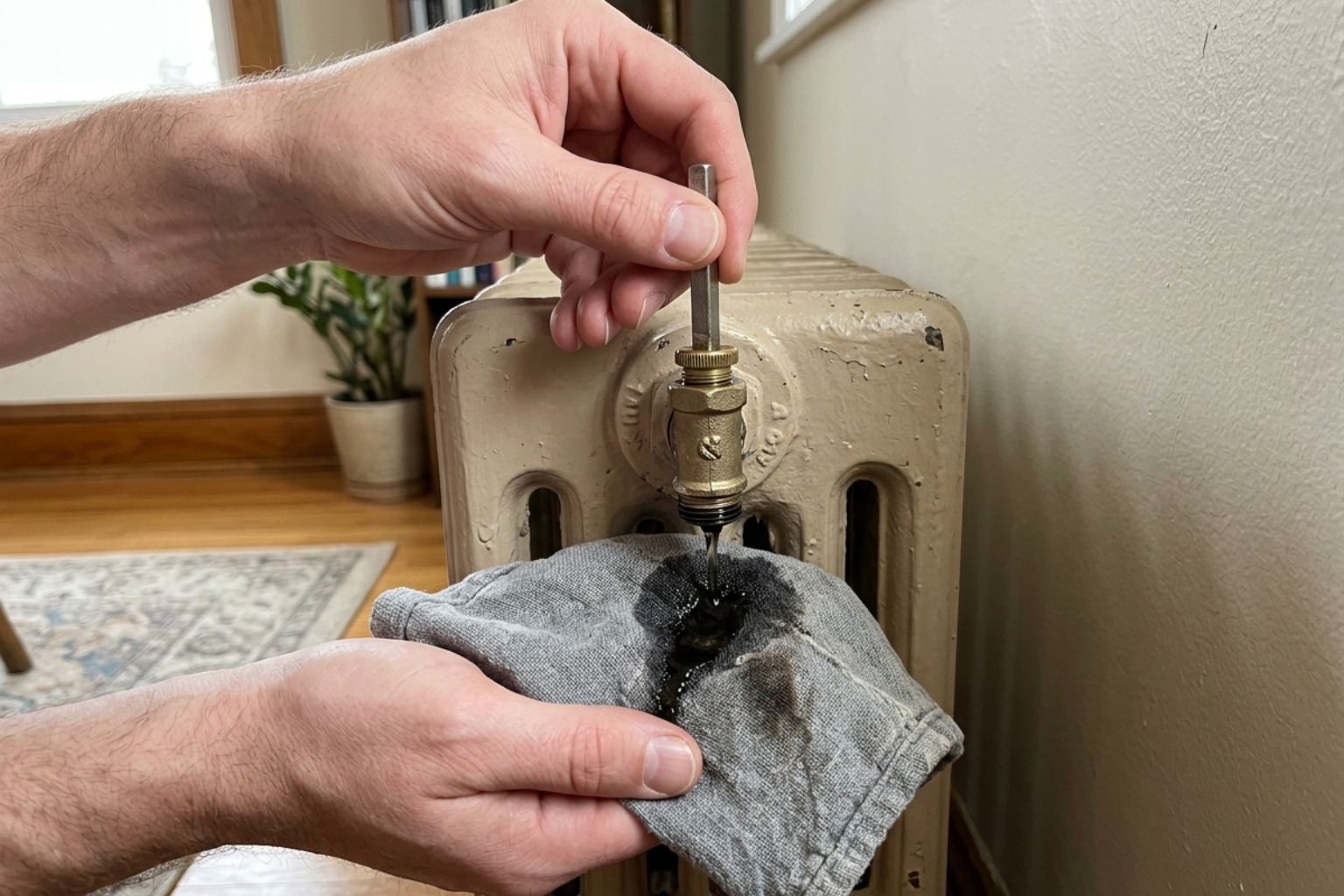
How to bleed a radiator:
- Turn off your heating system and let it cool down (you don’t want a face full of hot steam!).
- Locate the bleed valve (usually a small square nut at the top end of the radiator).
- Insert your radiator bleed key or a flathead screwdriver.
- Hold a cloth or bowl underneath to catch drips.
- Slowly turn the key counterclockwise. You’ll hear a hissing sound as the air escapes.
- Once water starts to trickle out steadily, close the valve tightly.
After bleeding several radiators, check your boiler pressure. Bleeding releases pressure from the system, and if it drops too low, your boiler might shut down entirely. As part of How To Care For Your Boiler, you should monitor the gauge: it should typically be at 12 psi when cold and 18 psi when hot. If it’s low, use the filling loop (a silver braided hose with valves) to top it up.
Fixing Leaks and Stuck Valves
A radiator that stays cold even when the pipes are hot often has a seized Thermostatic Radiator Valve (TRV). Inside the TRV is a small metal pin that can get stuck in the “closed” position, especially after being off all summer. You can often fix this by unscrewing the plastic cap and gently tapping the pin with a hammer or pliers until it pops back up.
When it comes to water leaks, most occur at the “union” nuts or the gland nut. A simple tightening with a monkey wrench often does the trick. However, if the radiator itself is leaking due to corrosion, you have to weigh the costs.
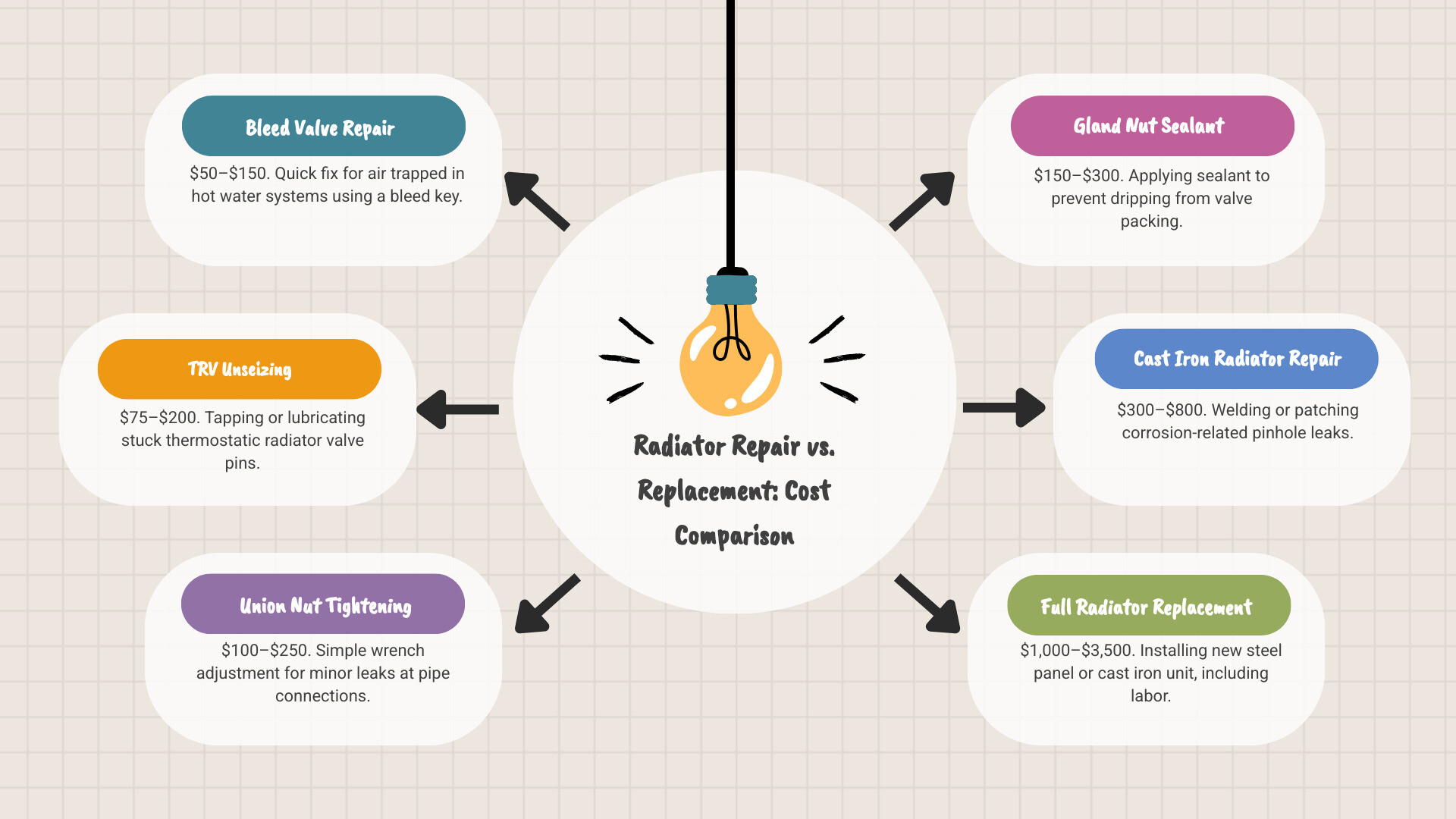
Most Boiler Repair Service Keeping Your Home Warm And Your Wallet Happy plans emphasize that repairing a valve is significantly cheaper than replacing a whole cast iron unit. However, if the metal is thinned out by decades of rust, a replacement might be the only safe long-term solution.
Professional Maintenance and Long-Term Care
While DIY fixes are great for emergencies, annual maintenance is what keeps a system running for 50+ years. We recommend a professional inspection every autumn before the first deep freeze hits Massachusetts.
Our Boiler Maintenance Checklist For Massachusetts Winters And Why It Matters includes:
- Combustion Chamber Cleaning: Essential for gas or oil-fired boilers to ensure safety and efficiency.
- Circulator Pump Inspection: Ensuring the motor that pushes water through your home isn’t about to seize.
- Expansion Tank Check: Verifying the tank can handle the pressure changes as water heats up.
- Cast Iron vs. Steel Care: Cast iron radiators are incredibly durable but slow to heat. Modern steel panel radiators are more efficient and take up less space but can be more prone to external rust if not kept clean.
Modern Replacement Options for Aging Systems
If your old cast iron radiators are beyond repair, you aren’t stuck with 19th-century technology. There are several modern alternatives that integrate perfectly with your existing boiler:
- Copper Fin Tube Radiators: These are lightweight, heat up almost instantly, and are often used in baseboard heating.
- Steel Panel Radiators: These offer a sleek, European look and use less water, which can lower your energy bills.
- Vertical Radiators: Great for kitchens or rooms with limited wall space.
- Electric Baseboard Heaters: A good alternative if you are decommissioning a boiler system entirely, though they can be more expensive to run in the long term.
Understanding The Pros And Cons Of Boiler Systems What You Should Know helps you decide if it’s time for a high-efficiency boiler upgrade. Modern boilers have much higher AFUE (Annual Fuel Utilization Efficiency) ratings, meaning they turn more of your fuel into actual heat rather than letting it escape up the chimney.
When to Call a Pro for Radiator Heating Repair
We love a handy homeowner, but some things are simply too dangerous for a Saturday afternoon DIY project. You should call a professional for radiator heating repair if you encounter:
- Pressurized Steam Issues: Steam systems operate at high temperatures and pressures. A mistake here can lead to severe burns or exploded pipes.
- Major Water Leaks: If water is gushing, turn off the main water supply and the boiler immediately.
- Boiler Failure: If the boiler isn’t firing, it could be an electrical issue, a gas valve problem, or a failed heat exchanger.
- System Balancing: If one room is a sauna and the other is an igloo, the system needs “balancing,” which involves precisely adjusting the flow valves on every radiator in the house.
- Emergency Situations: If your heat quits in the middle of a Massachusetts blizzard, don’t wait. Check our guide on Emergency Boiler Repair What To Do When Your Heat Quits Anytime and call for help.
Conclusion: Expert Support for Your Heating System
Maintaining a radiator system doesn’t have to be a headache. With a little bit of knowledge and some basic tools like a bleed key, you can handle the most common issues that crop up during the winter. However, when the job requires technical expertise or involves the heavy machinery of your boiler, it’s best to leave it to the experts.
At Accurate Baker Elman, we have been serving Franklin, MA, and the surrounding communities for over 30 years. Whether you are in Norfolk, Medway, Newton, or Framingham, we understand the unique challenges of Massachusetts winters. As a Mitsubishi Electric Elite Diamond Contractor, we pride ourselves on providing honest, timely, and expert solutions for your home comfort. From simple valve replacements to full system overhauls, we offer 24/7 emergency support to ensure your family stays warm no matter what “Old Man Winter” throws your way.
If you’re struggling with cold spots, noisy pipes, or a system that just won’t behave, we’re here to help. More info about radiator heating repair services is just a click away. Let us help you keep your home’s “heart” beating strongly all season long.