

The Silent Threat of Water Damage
A digital water leak detector is a smart device that uses sensors and technology to monitor for water leaks in your home, sending instant alerts to your smartphone and, in advanced systems, automatically shutting off your water supply to prevent catastrophic damage.
Quick Comparison: Types of Digital Water Leak Detectors
| Type | Best For | Installation | Cost Range | Key Feature |
|---|---|---|---|---|
| Spot Sensors | Renters, targeted protection | DIY, minutes | $50-$150 | Detects water on contact |
| Flow Monitors | Tracking usage, non-invasive | DIY, attaches to meter | $150-$300 | Monitors consumption patterns |
| Shutoff Systems | Whole-home protection | Professional required | $400-$900+ | Automatic water shutoff |
Water damage affects 40% of homes—making it six times more common than theft and eight times more common than fire. Yet most homeowners don’t find leaks until it’s too late. A pipe burst upstairs can cost an average of $12,500 to fix, and mold can start growing in just 24 hours.
The good news? Modern digital water leak detectors can spot problems before they become disasters. Within 30 days of installation, 60% of homeowners are notified of leaks they didn’t even know existed.
Whether you’re protecting a vacation home in the Berkshires, monitoring an aging plumbing system, or just want peace of mind during harsh Massachusetts winters, understanding your options is the first step to safeguarding your home.
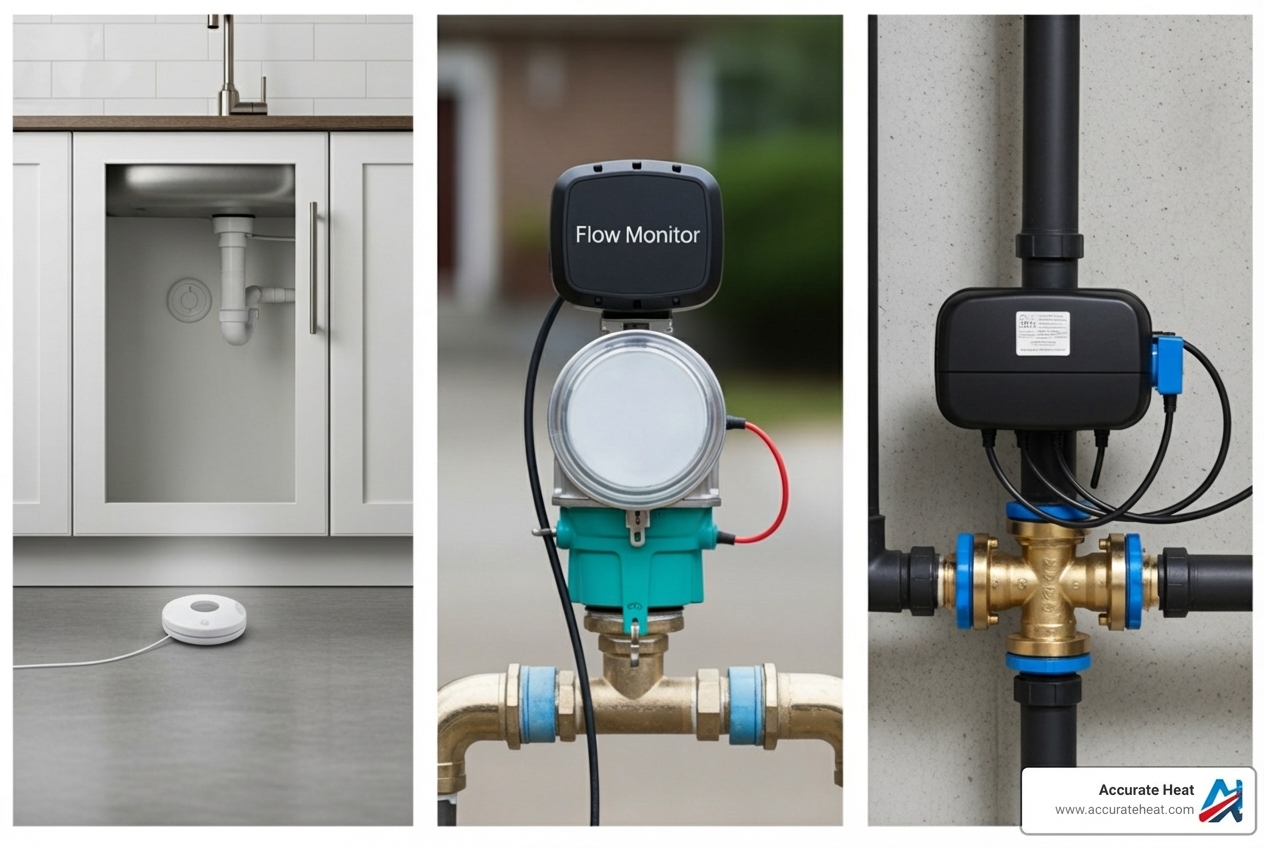
Types of Digital Water Leak Detectors: From Spot Checks to Whole-Home Guardians
When we talk about protecting your home from water damage, one size definitely doesn’t fit all. That’s why the market offers a fantastic range of digital water leak detector types, each suited for different needs, budgets, and levels of protection. From simple devices that act as your watchful sentinels in high-risk areas to sophisticated systems that cover your entire home and even shut off the water automatically, there’s a solution for nearly every situation.
For homeowners, the choice often depends on how comprehensive they want their protection to be. Renters might lean towards more portable and easily installed options. And for those with vacation properties in places like Franklin, MA, or a cherished family cottage in the Berkshires, remote monitoring capabilities become a top priority. Let’s explore the main categories.
Spot Sensors: Your First Line of Defense
These are the most basic, yet incredibly effective, digital water leak detector devices. Think of them as little guardians, strategically placed to detect water on contact. They are typically battery-operated discs or small boxes designed to sit directly on the floor in areas where leaks are most likely to occur. We’re talking under sinks, behind toilets, near washing machines, dishwashers, water heaters, and in basements or utility rooms.
When these sensors come into contact with even a trickle of water, their metal sensor terminals trigger an alarm. This usually involves a loud, audible siren right at the device, and for smart models, an alert sent to your smartphone via Bluetooth or Wi-Fi. The setup is typically DIY and takes just minutes, making them perfect for quick, targeted protection. They’re also an ideal and affordable choice for renters who want to protect their belongings without making permanent changes to the plumbing. A great example of a reliable spot sensor is the First Alert L1 Wi-Fi Water Leak and Freeze Detector, known for its freeze detection capabilities too.
Whole-Home Flow Monitors
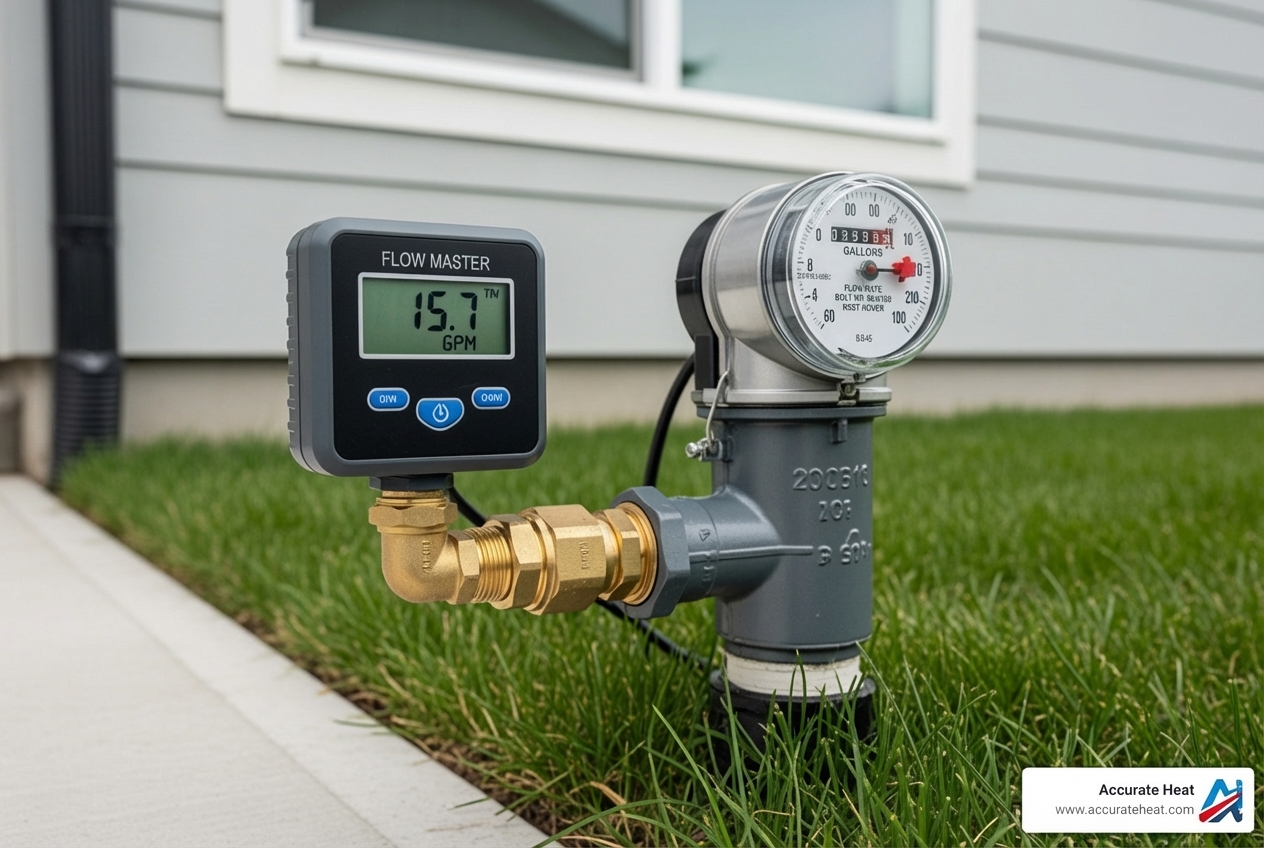
Stepping up in sophistication, whole-home flow monitors offer a broader scope of protection without requiring invasive plumbing work. These ingenious devices, like the Flume 2 Smart Home Water Monitor, typically strap onto your existing water meter. They use patented technology to read the magnetic field directly from your water meter, detecting water usage down to the one-hundredth of a gallon. That’s sensitive enough to catch even a dripping faucet or a sprinkler head that’s seen better days!
Beyond just leak detection, these monitors are champions of water conservation. They track your entire home’s water usage, both indoors and out, and provide detailed data through a dedicated app. This allows us to monitor consumption patterns, identify inefficient appliances, and even set water budgets. The best part? Installation is non-invasive and can often be done by us in under 10 minutes, with no plumbing required. This means we can start understanding our water habits and getting leak alerts almost immediately. On average, customers using these systems reduce their water usage by 15%. For more information on maintaining your plumbing system, check out our plumbing services.
Whole-Home Shutoff Systems: The Ultimate Protection
For the most comprehensive defense against water damage, whole-home shutoff systems are the gold standard. These digital water leak detector systems are installed directly into your main water line, typically near where the water enters your home. Their primary advantage is the ability to automatically shut off the main water supply the moment a leak is detected, preventing catastrophic flooding and minimizing damage.
These advanced systems typically monitor various parameters, including water flow rate, pressure, and temperature. Many incorporate AI learning (like FloSense™ Technology) to understand your home’s unique water usage patterns over a learning period (often 7-10 days). This allows them to differentiate between a long shower and an actual leak. Some even feature MicroLeak™ Technology, running daily tests to proactively identify minute leaks as small as a drop per minute.
Due to their in-line installation and connection to your main water supply, professional plumbing expertise is recommended for these systems. Our team at Accurate Heat can ensure proper installation for seamless operation and maximum protection. In Massachusetts, where unexpected pipe bursts can happen, having an automatic shutoff system can be a lifesaver. Should a plumbing emergency arise, remember we offer Massachusetts Emergency Plumbing Available 24/7 For Your Needs.
Key Features to Compare When Choosing Your Device
Choosing the right digital water leak detector involves more than just picking the first one we see. It’s about understanding the features that matter most for our homes and lifestyles. Here’s a breakdown of the crucial aspects to consider:
| Feature Category | Spot Sensors | Flow Monitors | Shutoff Systems |
|---|---|---|---|
| Installation | DIY (minutes) | DIY (under 10 mins), attaches to meter | Professional plumbing required, in-line |
| Cost Range | $50 – $150 | $150 – $300 | $400 – $900+ |
| Main Benefit | Targeted leak detection on contact | Water usage tracking & leak alerts | Automatic water shutoff & comprehensive monitoring |
| Alert Types | Local siren, app, text, email | App, text, email | App, text, email, auto shutoff |
| Connectivity | Bluetooth, Wi-Fi | Wi-Fi | Wi-Fi, Z-Wave |
| Power Source | Battery | Battery | AC (with battery backup) |
| Environmental Sensors | Often includes Temp/Humidity | Often includes Temp | Often includes Temp/Pressure |
Detection Method and Accuracy
The core of any digital water leak detector is its ability to spot water where it shouldn’t be. Different types of detectors employ various methods:
- Conductivity Sensors: These are common in spot detectors. They work by detecting the electrical conductivity of water across two metal probes. When water bridges the gap, an alarm is triggered. The First Alert L1, for instance, sends an alert when its sensor comes into contact with just a trickle of water.
- Flow-Based Detection: Used in whole-home monitors and shutoff systems, these devices analyze the movement of water through your pipes. Systems like the FloLogic can identify leaks as small as 1/2-ounce-per-minute, while the Flume can detect usage down to one-hundredth of a gallon. This level of sensitivity can even catch a dripping faucet! Flow-based systems often learn your home’s normal water usage patterns to identify anomalies more accurately.
- Pressure Wave Analysis: Some advanced monitors, like certain Aqua-Scope models, detect leaks by analyzing subtle pressure waves in the water supply. This method can be incredibly precise in identifying unusual activity within the plumbing system.
The accuracy of a digital water leak detector system is crucial. While all modern detectors aim for high accuracy, factors like proper placement, calibration, and the sophistication of the detection algorithm play a role. The goal is to minimize false alarms while ensuring no real leaks go undetected. Independent lab testing, like that done for Flume, often confirms high accuracy, rivaling utility-grade meters.
Smart Features and App Integration
In today’s connected homes, a digital water leak detector isn’t just about sounding an alarm; it’s about smart communication and control.
- Connectivity: Most smart detectors connect to your home network via Wi-Fi, allowing for remote monitoring. Some basic spot sensors might use Bluetooth, which requires you to be within range to receive alerts. Wi-Fi-enabled devices are ideal for homeowners in Massachusetts who might be away for work or vacation, offering peace of mind from anywhere.
- Real-Time Alerts: A primary benefit of app integration is instant notifications. You can receive alerts via app notifications, text messages, or email the moment a leak is detected. Systems like Flo by Moen and Flume provide dashboards where we can monitor water usage in real time.
- Remote Control: Advanced shutoff systems offer the convenience of remote water shutoff via their app. Imagine being on vacation and getting an alert about a leak, then being able to turn off your main water supply with a tap on your phone. This feature alone can save thousands in potential damage.
- Smart Home Integration: Many digital water leak detector devices can integrate with popular smart home ecosystems like Amazon Alexa, Google Assistant, or Apple HomeKit. Some also support IFTTT (If This Then That) rules, allowing for custom automations—for example, turning on smart lights if a leak is detected in the basement.
- Water Usage Data: Flow monitors and shutoff systems often provide detailed insights into our water consumption, breaking it down by fixture or appliance. This data can help us identify water-wasting habits and contribute to conservation efforts. Regular plumbing maintenance also plays a huge role in preventing leaks and ensuring efficient water use. Learn more about Why Regular Plumbing Maintenance is a Must in Massachusetts.
Environmental Sensors and Power
Beyond just water, many digital water leak detector units come equipped with additional environmental sensors that offer another layer of protection.
- Temperature Sensors: These are invaluable, especially during our cold Massachusetts winters. They monitor the ambient temperature and can send alerts if it drops to near-freezing levels, warning us of the risk of frozen and burst pipes. Some advanced systems, like FloLogic, even offer low-temperature alerts and automatic shutoffs to proactively guard against this common and costly problem.
- Humidity Sensors: High humidity can be a sign of a hidden leak or conducive to mold growth. Humidity sensors can alert us to these conditions, allowing us to investigate before mold becomes a major issue. The Phyn Smart Water Sensor, for example, tracks both temperature and moisture levels.
- Power Source: Most spot detectors are battery-powered, offering flexibility in placement. Battery life varies, often lasting several years, and they’ll usually send a low-battery alert. Whole-home flow monitors are also typically battery-powered. Shutoff systems, being more robust, usually require AC power but often include a battery backup to ensure continuous operation during power outages.
Installation, Cost, and Warranty
These practical considerations often weigh heavily on our decision-making process.
- Installation: As we’ve discussed, spot sensors and flow monitors are generally designed for DIY installation, often taking just minutes. Whole-home shutoff systems, which require cutting into your main water line, are best left to professional plumbers. While DIY saves on installation costs, professional installation ensures the system is correctly integrated and functions optimally.
- Initial Cost: Digital water leak detector devices vary widely in price. Simple spot sensors can start as low as $50, while comprehensive whole-home shutoff systems can range from $400 to well over $900, with professional installation adding to that cost. The price often reflects the features, connectivity, and level of protection offered.
- Insurance Discounts: Many insurance companies recognize the value of these proactive systems. Installing a digital water leak detector, especially a whole-home shutoff system, can qualify us for premium discounts, helping offset the initial investment. The FloLogic System, for instance, is recommended by home insurance professionals and often qualifies for such discounts.
- Typical Warranty: Warranties typically range from 1 to 5 years, covering defects in materials and workmanship. For sophisticated systems, components like the main amplifier might have a longer warranty than the sensors or cables. Always check the manufacturer’s warranty information before purchasing.
Beyond the Beep: The Real-World Benefits of a digital water leak detector
Investing in a digital water leak detector is more than just buying a gadget; it’s investing in peace of mind and proactive protection for our homes. The benefits extend far beyond a simple alarm, offering substantial savings and security.
Prevent Catastrophic Damage
The statistics are sobering: water damage is a silent menace that affects 40% of homes, making it six times more common than theft and eight times more common than fire. We often hear about house fires or break-ins, but the insidious drip or sudden gush of water can be far more pervasive and costly. An upstairs pipe burst, for example, can lead to catastrophic damage to ceilings, walls, and floors below, costing an average of $12,500 to fix. Beyond the monetary cost, it can destroy cherished belongings and lead to structural issues.
Digital water leak detector systems dramatically decrease the likelihood of such disasters. The Flo Shutoff, for instance, has been shown to decrease water damage claim events by an astounding 96%. By detecting leaks early—whether it’s a slow seep behind a bathroom wall or a sudden rupture—these devices prevent minor issues from escalating into major catastrophes. They protect our homes from structural damage and safeguard our valuables, giving us a crucial head start against the clock. This proactive approach is also a key component of maintaining a greener plumbing system, as it prevents unnecessary water waste. Find more about Tips for a Greener Plumbing System.
Save Money and Conserve Water
Beyond preventing costly repairs, a digital water leak detector is a powerful tool for saving money on our utility bills and conserving a precious resource. Hidden leaks are notorious for silently draining our wallets, wasting gallons of water each day or month without us even knowing.
Consider these facts:
- A leak behind your bathroom wall can waste gallons of water a day, leading to unexpectedly high water bills.
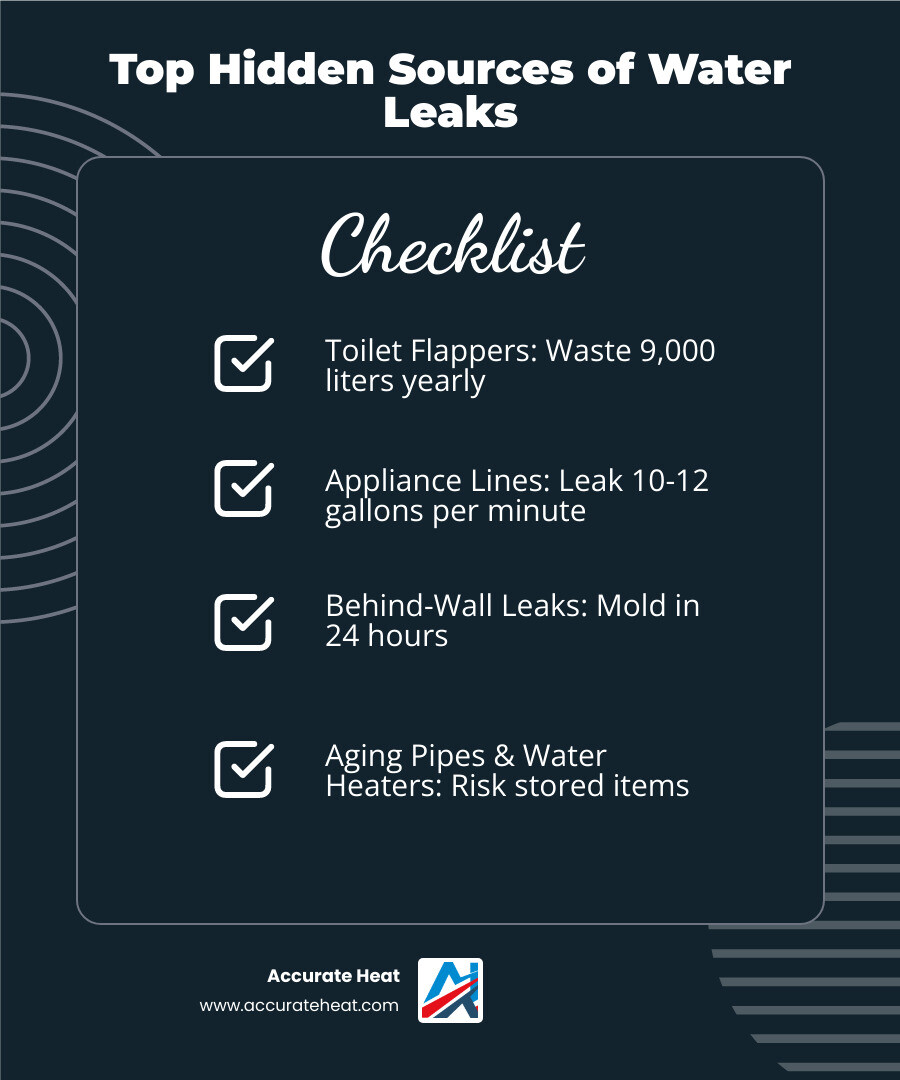
- Appliance water lines, like those for washing machines or refrigerators, can crack without warning and saturate floors with as much as 10-12 gallons of water per minute.
- Even a small crack in an irrigation system, the thickness of a dime, can waste about 6,300 gallons of water per month.
These detectors help us identify such inefficiencies and leaks, often before they cause visible damage or a significant spike in our bills. Systems that track water usage, like flow monitors, can also help us pinpoint exactly where our water is going, allowing us to identify inefficient appliances or habits. On average, Flume customers reduce their usage (and water bill) by 15%. This isn’t just good for our budget; it’s great for the environment, helping us conserve water in Massachusetts. Check out this quick video to see how detectors help save water.
Gain Peace of Mind, Home or Away
Perhaps one of the most invaluable benefits of a digital water leak detector is the profound sense of peace of mind it offers. For those of us who travel frequently, own vacation homes in places like the Cape, or simply worry about what might happen while we’re at work, 24/7 monitoring is a game-changer.
Imagine getting an alert on your phone about a potential leak in your Franklin, MA, home while you’re hundreds of miles away. With a smart shutoff system, you could remotely turn off your water supply, preventing damage before it even begins. This capability is particularly beneficial for vacation homes that sit empty for extended periods, making them vulnerable to undetected leaks or frozen pipes during winter months.
Many detectors also include environmental sensors that provide alerts for freezing temperatures, allowing us to take action before pipes burst. Knowing that a system is constantly vigilant, ready to alert us and even intervene automatically, allows us to truly relax, whether we’re at home or away. It’s about taking control of our home’s vulnerabilities and getting ahead of potential problems. For more guidance on managing plumbing issues in your home, consult our Solve Your Plumbing Issues in Massachusetts with This Guide.
Frequently Asked Questions about Digital Water Leak Detectors
We often hear common questions about these smart devices. Let’s address some of the most frequent ones to help clarify how they work and what they can do for your home.
How accurate is a digital water leak detector?
The accuracy of a digital water leak detector can vary significantly depending on its type and technology. Spot sensors, for example, are highly accurate in identifying water when it makes direct contact with their probes. They’ll trigger an alarm with even a trickle of water.
Flow-based systems, such as whole-home monitors and shutoff valves, are designed to detect much smaller, continuous leaks. Many can identify leaks as minute as 1/2-ounce-per-minute, or even down to one-hundredth of a gallon. This level of sensitivity means they can catch slow drips from a running toilet or a leaky faucet that might otherwise go unnoticed for weeks or months. Advanced acoustic sensors used in some professional systems can detect leaks as small as 0.026 gallons per minute by listening for the sounds of escaping water. While false alarms can occasionally occur with any smart device, modern systems use sophisticated algorithms and learning periods to differentiate between normal water usage and actual leaks, making them remarkably reliable.
Can a digital water leak detector help prevent frozen pipes?
Absolutely! Many smart digital water leak detector systems are equipped with integrated temperature sensors, making them invaluable tools for preventing frozen pipes, especially in colder climates like Massachusetts. These sensors monitor the ambient temperature in the area where they are placed. If the temperature drops below a pre-set threshold (often close to freezing), the detector will send you an immediate alert to your smartphone.
This early warning allows you to take preventative action, such as increasing your thermostat settings, opening cabinet doors to expose pipes to warmer air, or even turning on a faucet to allow a slow drip. More advanced whole-home shutoff systems, like FloLogic, can even proactively guard against frozen pipe damage with their low-temperature alerts and automatic water shutoffs, adding an extra layer of protection during harsh winters.
Do I need a plumber to install one?
It depends entirely on the type of digital water leak detector you choose.
- Spot Sensors: These are designed for ultimate DIY convenience. You simply place them on the floor in vulnerable areas. No tools, no plumbing knowledge required. They’re literally “set it and forget it” (until a leak happens!).
- Whole-Home Flow Monitors: Devices like the Flume 2 are also DIY-friendly. They typically strap onto your existing water meter and connect wirelessly to your home network. You can often install these in under 10 minutes without needing any plumbing expertise or special tools.
- Whole-Home Shutoff Systems: This is where professional help is usually recommended. These systems, which include an automatic shutoff valve, must be installed directly into your main water line. This involves cutting into your plumbing, which requires the expertise of a licensed plumber to ensure proper installation, compliance with local codes, and leak-free operation. Our team at Accurate Heat is always ready to assist with the professional installation of these comprehensive systems.
Conclusion: Take Control of Your Home’s Plumbing Health
Water damage is a pervasive and costly threat, often striking silently and unexpectedly. But with the advent of sophisticated digital water leak detector technology, we no longer have to live in fear of mystery drips or burst pipes. We have the power to transform our homes from vulnerable spaces into intelligently protected havens.
From simple, affordable spot sensors that guard specific high-risk areas to advanced whole-home shutoff systems that monitor every drop and can automatically intervene, there’s a digital water leak detector solution custom to every need and budget. These devices offer much more than just an alarm; they provide real-time alerts, invaluable water usage data, environmental monitoring for freeze and mold prevention, and—most importantly—the unparalleled peace of mind that comes from knowing our homes are actively protected, whether we’re in Franklin, MA, or halfway across the country.
Choosing the right device is an investment in our home’s health and our financial well-being. It’s a proactive step that can prevent catastrophic damage, save us money on water bills, and conserve precious resources. When considering a whole-home shutoff system that requires in-line installation, or for any other plumbing concerns, don’t hesitate to trust the experts. For professional installation and all your plumbing needs in Massachusetts, Contact us for expert plumbing services. We’re here to help you take control of your home’s plumbing health.