Summer in Massachusetts can be a beautiful but challenging time, with temperatures often soaring and the humidity making the heat feel even more intense. Keeping your home cool while managing energy costs can be a delicate balance. Fortunately, there are several strategies you can employ to optimize your HVAC system for the summer months, ensuring comfort without breaking the bank. This blog post will explore key ways to enhance your HVAC efficiency, including upgrades, smart home integrations, and energy-efficient practices.
The Benefits of Installing a Programmable or Smart Thermostat
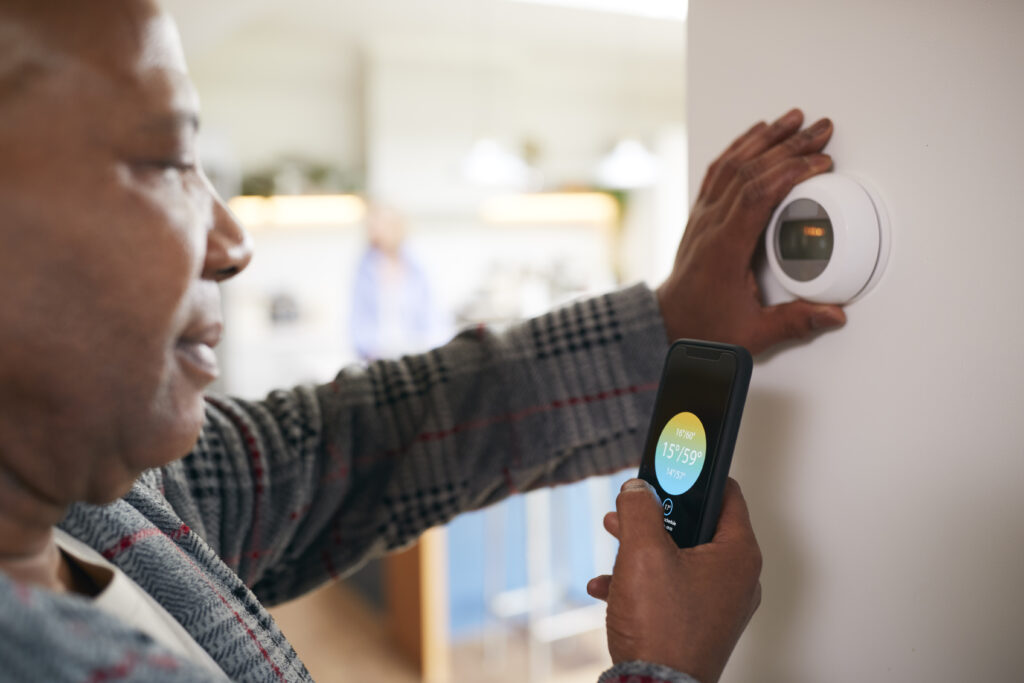
One of the simplest yet most effective upgrades you can make to your HVAC system is installing a programmable or smart thermostat. These devices offer a range of benefits that can significantly improve your home’s cooling efficiency.
Energy Savings
Programmable and smart thermostats allow you to set temperature schedules that align with your daily routines. For example, you can program the thermostat to increase the temperature while you’re at work and cool down just before you return home. This ensures that your HVAC system isn’t working hard to cool an empty house, resulting in substantial energy savings.
Enhanced Comfort
Smart thermostats offer advanced features such as learning your habits and adjusting the temperature automatically. They can also be controlled remotely via smartphone apps, giving you the flexibility to adjust your home’s temperature from anywhere. This level of control ensures that your home is always at the perfect temperature when you need it.
Integration with Other Smart Devices
Many smart thermostats can integrate with other smart home devices, such as window sensors and smart blinds. This allows for a more comprehensive approach to energy management, where your thermostat can adjust based on whether windows are open or closed, or even the amount of sunlight entering your home.
Environmental Impact
Reducing energy consumption not only saves money but also lessens your environmental footprint. By optimizing your HVAC system with a smart thermostat, you contribute to lower greenhouse gas emissions and a more sustainable future.
How to Improve Home Insulation for Better Temperature Control
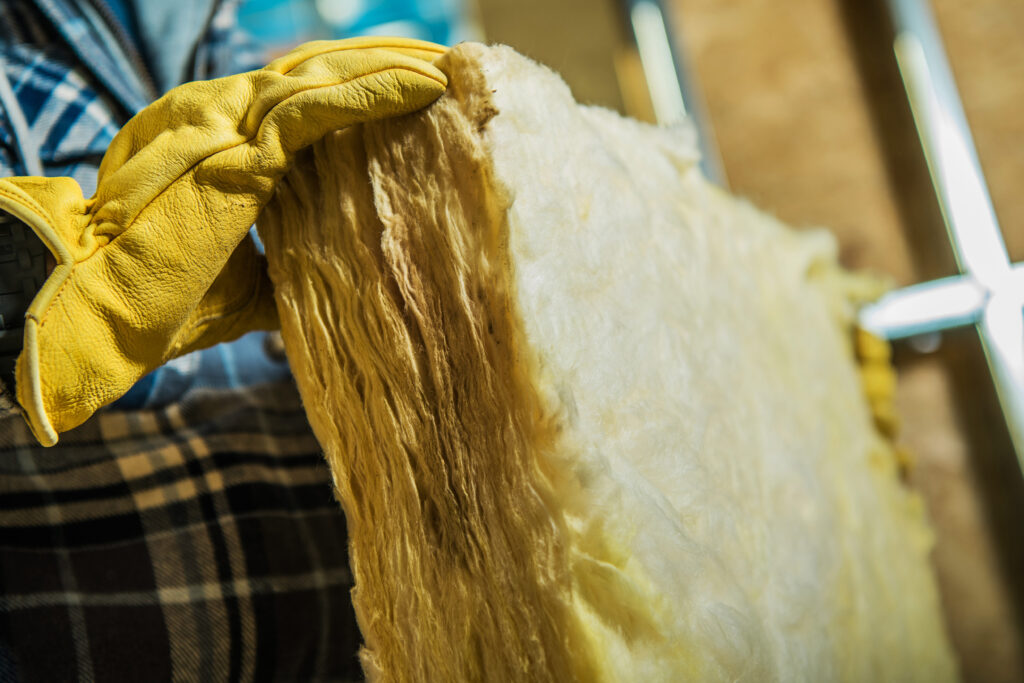
Proper insulation is crucial for maintaining a consistent indoor temperature and reducing the load on your HVAC system. Here are some ways to improve your home’s insulation:
Inspect and Seal Leaks
Start by inspecting your home for air leaks, particularly around windows, doors, and other openings. Use caulk or weatherstripping to seal any gaps, preventing cool air from escaping and warm air from entering.
Upgrade Attic Insulation
The attic is a primary source of heat gain in many homes. Consider upgrading the insulation in your attic to a higher R-value, which measures the insulation’s resistance to heat flow. A well-insulated attic can significantly reduce the strain on your HVAC system.
Insulate Ductwork
Leaky or poorly insulated ducts can lose up to 30% of the energy used for heating and cooling. Insulating your ductwork ensures that the cool air reaches its intended destination without loss, improving overall efficiency.
Install Insulated Windows and Doors
Replacing old, single-pane windows with double or triple-pane insulated windows can drastically reduce heat transfer. Similarly, insulated doors can prevent heat gain and loss, contributing to a more energy-efficient home.
Use Thermal Curtains
Thermal curtains or blinds can block out heat during the day, especially for windows that receive direct sunlight. By closing these during peak sunlight hours, you can keep your home cooler without relying solely on your HVAC system.
Energy-Efficient HVAC Upgrades and Replacements
Sometimes, the best way to optimize your HVAC system is to upgrade or replace outdated components. Here are some energy-efficient options to consider:
High-Efficiency Air Conditioners
Modern air conditioners are far more efficient than those produced a decade ago. Look for units with a high SEER (Seasonal Energy Efficiency Ratio) rating, which indicates greater efficiency. A high-efficiency air conditioner can cool your home more effectively while using less energy.
Variable Speed Air Handlers
Variable speed air handlers adjust their speed based on the cooling demand, providing more precise temperature control and improved efficiency. They can reduce energy consumption by running at lower speeds when full capacity isn’t needed.
Heat Pumps
Heat pumps are a versatile and energy-efficient option for both heating and cooling. They transfer heat rather than generating it, making them much more efficient than traditional HVAC systems. In the summer, heat pumps can effectively cool your home by removing heat from the indoor air and releasing it outside.
Zoned HVAC Systems
Zoned HVAC systems allow you to cool different areas of your home independently. By only cooling the rooms that are in use, you can save a significant amount of energy. Zoning can be achieved through dampers in the ductwork or by using ductless mini-split systems.
Regular Maintenance
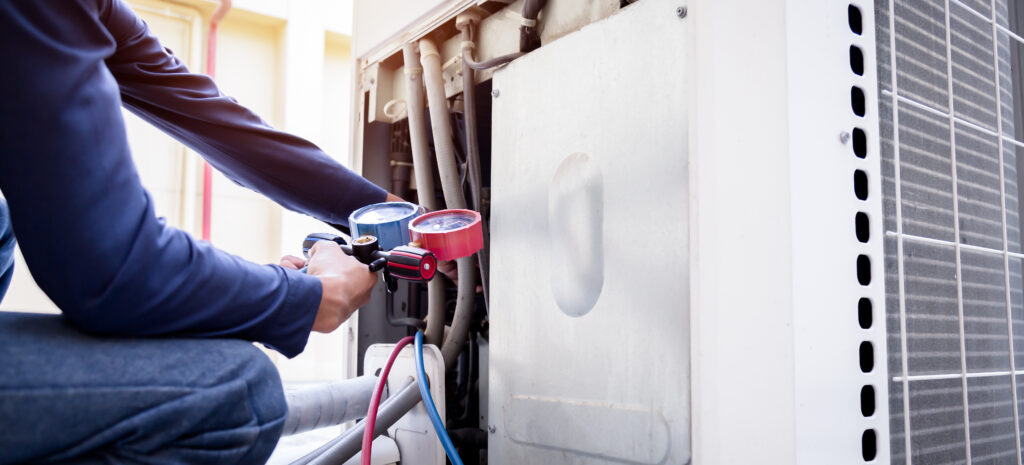
Even the most efficient HVAC systems need regular maintenance to operate at peak performance. Schedule annual tune-ups to check for issues such as refrigerant levels, coil cleanliness, and duct integrity. Proper maintenance can prevent costly repairs and keep your system running efficiently.

In Conclusion
Optimizing your HVAC system for the summer in Massachusetts involves a combination of strategic upgrades, smart home integrations, and energy-efficient practices. By installing a programmable or smart thermostat, improving home insulation, considering energy-efficient HVAC upgrades, taking advantage of rebates and incentives, and making simple lifestyle changes, you can stay cool and save money. Not only will these steps enhance your comfort, but they will also contribute to a more sustainable and energy-efficient home. Stay proactive about your HVAC maintenance and efficiency, and enjoy a comfortable summer without the high energy bills.