Why a Heating system diagnostic Matters for Your Home’s Comfort
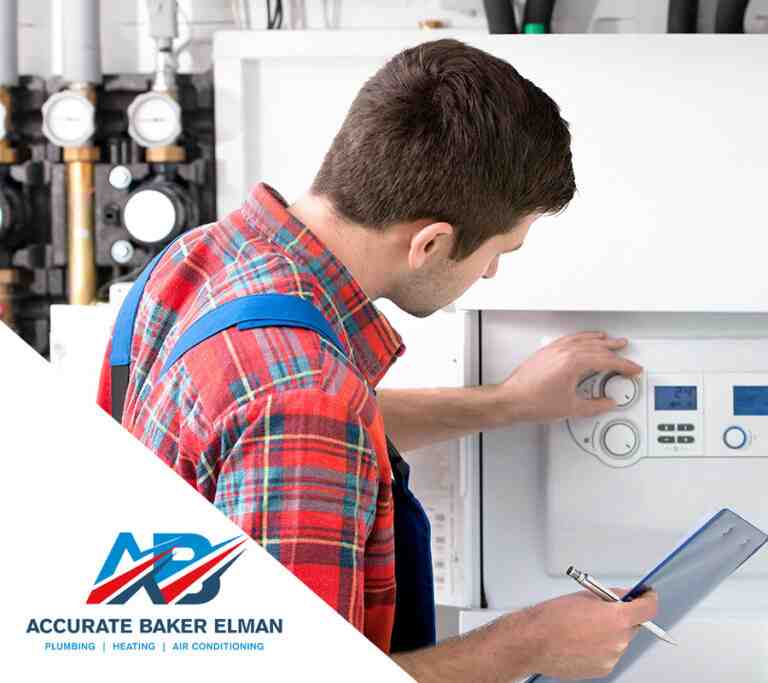
Heating system diagnostic is the process of identifying problems with your furnace, boiler, or heat pump. Here’s what you need to know:
Quick Diagnostic Checklist:
- Check your thermostat – Is it set to “heat” and 5+ degrees above room temperature?
- Verify power – Are circuit breakers on? Is the furnace switch flipped to “on”?
- Inspect air filters – A clogged filter can shut down your entire system
- Look for obvious issues – Strange noises, smells, or leaks
- Know when to call a pro – Gas leaks, electrical problems, or persistent issues require expert help
During a long, cold Massachusetts winter, a broken heating system can quickly turn your home into an icebox. When your heater fails on a frigid New England night, every minute counts.
The good news is that many heating problems have simple causes. According to HVAC industry data, about 30% of “no heat” calls stem from a tripped breaker, wrong thermostat setting, or a dirty filter. This means you might restore heat yourself in minutes.
This guide provides a systematic diagnostic process, from basic DIY checks to knowing when to call a professional. You’ll learn to identify common symptoms like strange noises or uneven heating and understand what they mean.
Knowing how to perform a basic diagnostic for your furnace, boiler, or heat pump saves time, money, and stress. It also helps you communicate clearly with technicians and recognize dangerous situations requiring immediate action.
Step 1: Basic Troubleshooting Before You Call for Service
Before calling for service, perform some fundamental checks. Many heating issues have simple solutions, saving you the cost and wait time of a service call. These basic troubleshooting steps are your first line of defense in a heating system diagnostic.
Checking the Thermostat
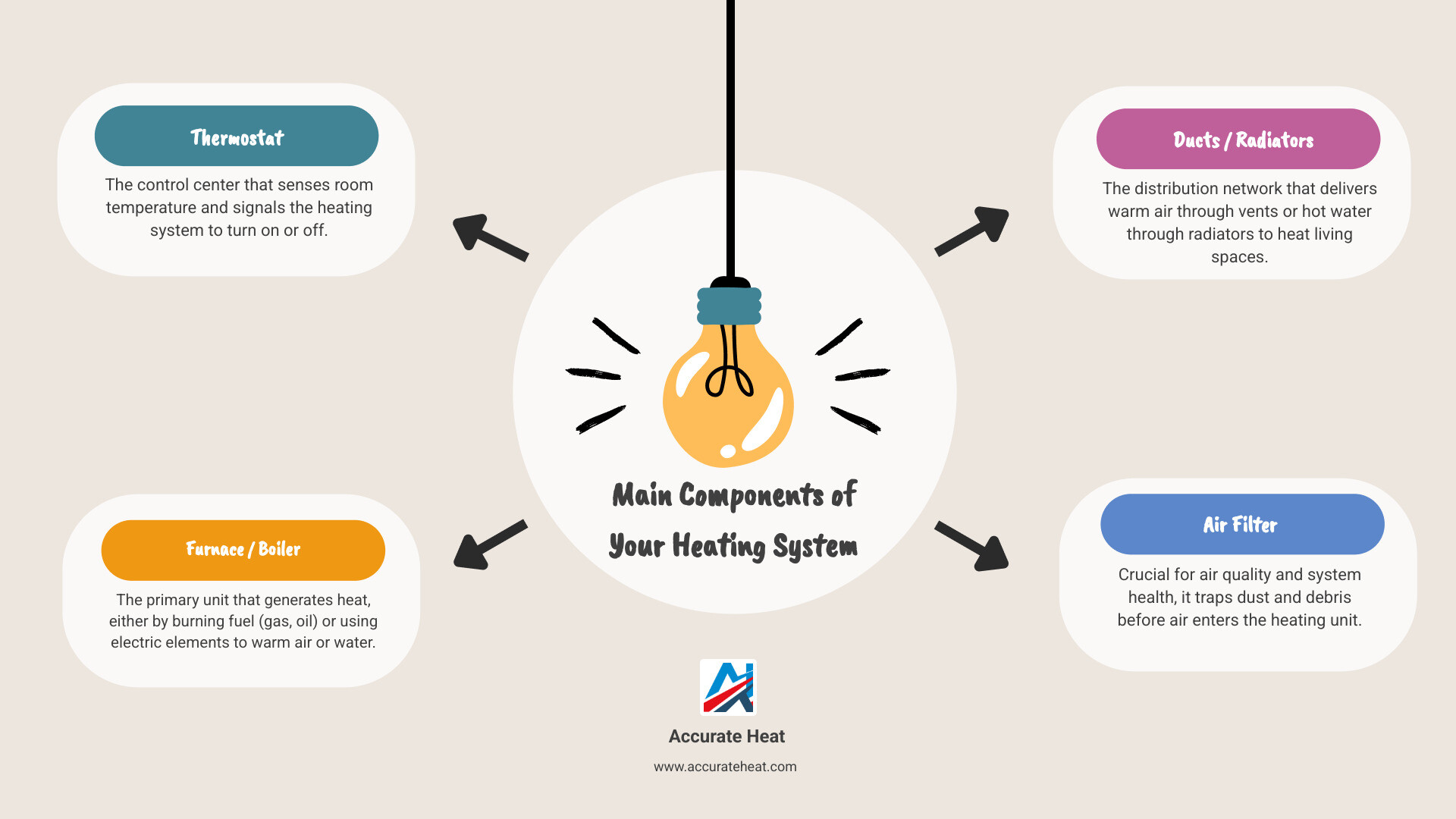
Your thermostat controls your heating system. First, ensure it’s set to “Heat” and the temperature is at least 5 degrees higher than the room’s. Check programmable schedules. If battery-powered, try new batteries. Signs of a faulty thermostat include inaccurate readings, unresponsive controls, or improper cycling. For more guidance, see our article on What to Do If Your Thermostat Isn’t Working.
Verifying Power to the System
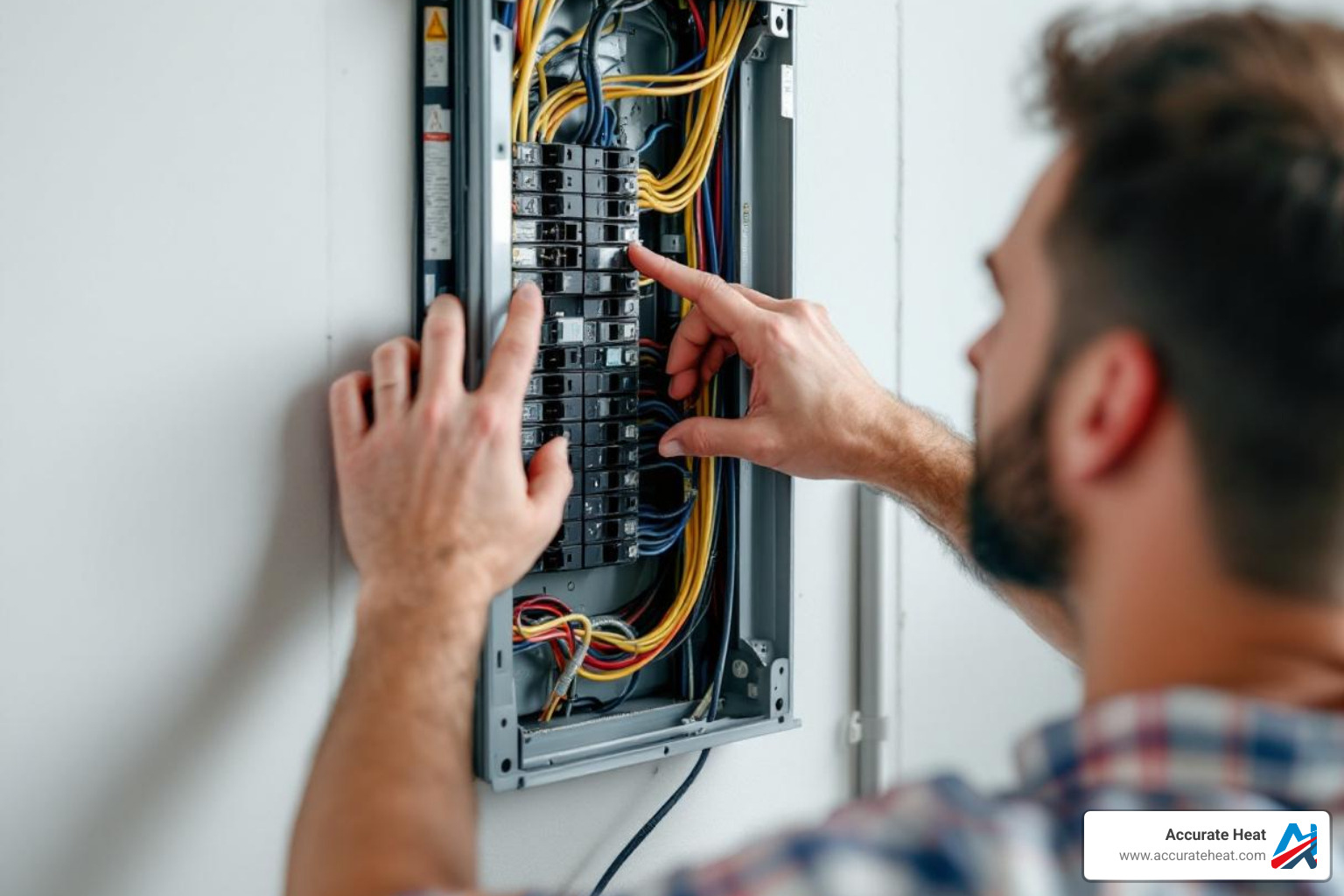
No power means no heat. Check the furnace power switch (it often looks like a light switch) and ensure it’s “ON.” At your electrical panel, look for a tripped breaker labeled for your furnace or HVAC. Reset it by flipping it “Off” then “On.” If it trips again, you have an electrical issue needing a pro. Always use caution with electrical components; if unsure, call a professional.
Inspecting Air Filters and Airflow
A dirty filter restricts airflow, reducing efficiency and causing overheating. This is a common cause of a “no heat” situation.
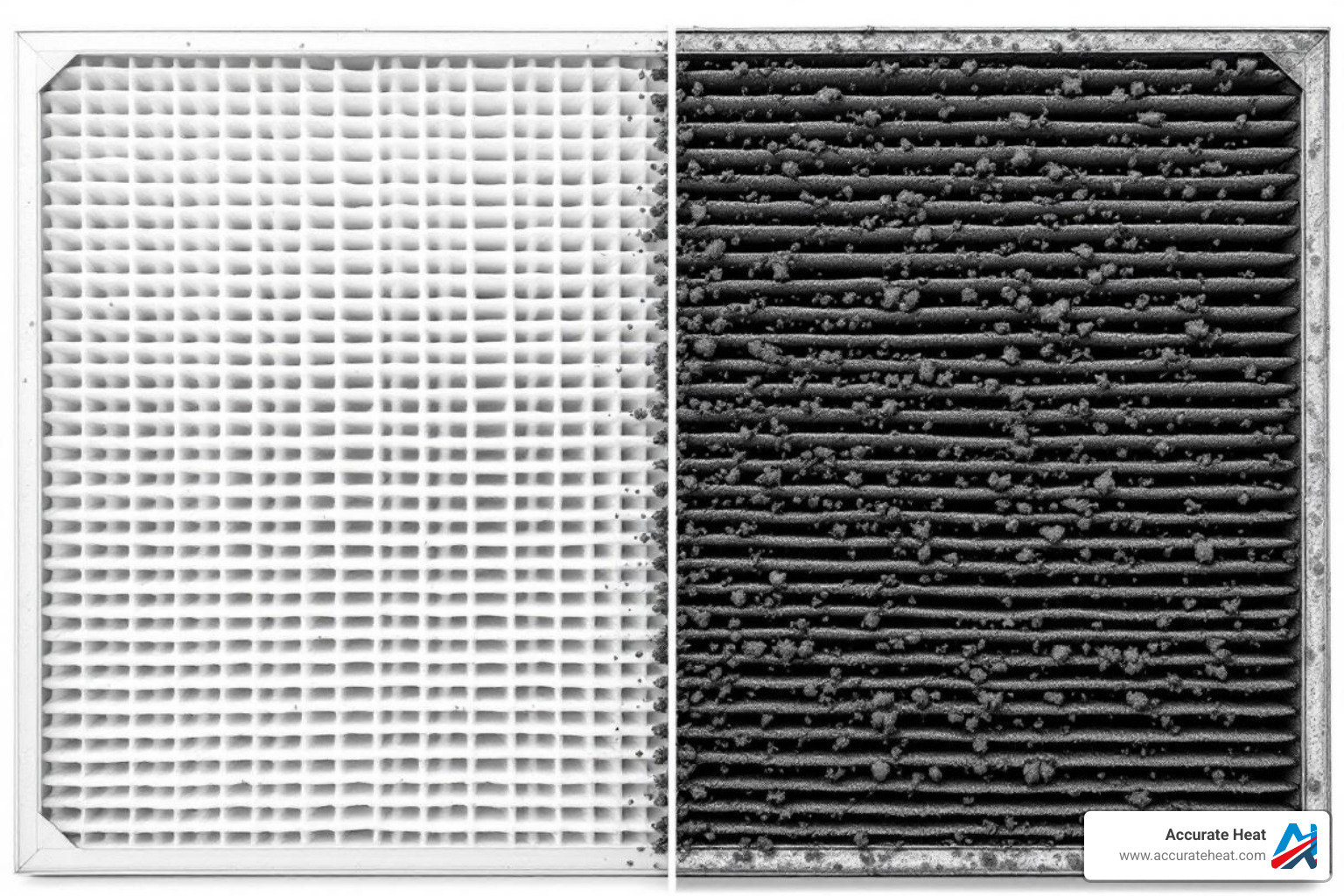
Check your filter monthly during peak season. Turn off the power, remove the filter, and hold it to the light. If you can’t see light, replace it. Also, ensure all vents are open and unblocked by furniture or rugs. Proper airflow is key to efficiency and system longevity. For more on the importance of air quality, see our insights on The Role of HVAC Systems in Improving Air Quality in Massachusetts.
Step 2: A Deeper Heating System Diagnostic
If basic checks fail, it’s time for a deeper heating system diagnostic. This involves understanding your system type (furnace or boiler) and interpreting clues like unusual noises or smells. Symptoms often point to specific problems, whether you have a furnace (forced-air system) or a boiler (hydronic system).
Diagnosing Common Furnace Problems
Furnaces are the workhorses of many Massachusetts homes, but they can encounter a range of issues.
- No Heat or Insufficient Heat: After checking the thermostat, power, and air filter, if you still have no heat, the problem could be with your furnace’s ignition system.
- Furnace Won’t Turn On: This could stem from a variety of issues, including a power problem (which you’ve already checked), a faulty thermostat, or a malfunction with the blower motor. Make sure the furnace panel door is closed securely, as a safety switch often prevents operation if it’s ajar.
- Pilot Light Issues: Older gas furnaces have a pilot light that needs to be lit. If it’s out, follow your furnace’s instructions to relight it. If it won’t stay lit, the thermocouple might be faulty.
- Ignition System Check: Modern furnaces often use an electronic ignition system (hot surface ignitor or intermittent pilot). If the furnace clicks but doesn’t ignite, or the ignitor doesn’t glow, it could be a faulty ignitor or control board.
- Blower Motor Inspection: If the furnace lights but no air comes out, the blower motor might be the problem. Listen for any sounds from the motor.
- Gas Supply Valve: For gas furnaces, locate the gas valve on the line leading to the furnace. The lever should be in line with the pipe to indicate the gas is on. If it’s perpendicular, the gas is off. If you found it off, and didn’t turn it off yourself, consult with a gas company or professional to understand why.
- Loud or Unusual Noises: These can indicate loose components, a failing motor, or debris.
For more detailed troubleshooting, refer to our Furnace Repair 101: Troubleshooting Common Problems.
Troubleshooting Boilers and Radiators
Boilers provide radiant heat through hot water or steam, often via radiators or baseboard heaters. Their diagnostic approach differs from furnaces.
- Cold Radiators or Cold Spots: If some radiators are cold while others are hot, or if a radiator is cold at the top and warm at the bottom, you likely have trapped air.
- Bleeding Radiators: This is your go-to solution for trapped air. Using a radiator key, open the valve at the top of the cold radiator until you hear a hiss of air, then water. Close it once water flows steadily.
- Airlocks: If bleeding doesn’t work, a stubborn airlock might be present in the system. Sometimes, bleeding all radiators in the house is necessary. If downstairs radiators are cold while upstairs are hot, and bleeding doesn’t help, it could indicate an issue with the circulator pump or a significant airlock.
- Leaking Radiator Valves: Small leaks from radiator valves can be tightened, but persistent leaks might require professional attention. A pinhole leak on a radiator itself could indicate internal corrosion and necessitates replacement.
- Low Boiler Pressure: Many modern boilers have a pressure gauge. If the pressure is below 1 bar when cold, it’s too low. You can typically use a “filling loop” to repressurize your system according to your boiler’s manual. Pressure above 2.5 bars can also cause issues.
- Kettling Noises: A noisy boiler making banging or rumbling sounds, often described as “kettling,” can indicate a build-up of limescale or sludge inside the heat exchanger. This restricts water flow and reduces efficiency. For tips on maintaining your boiler, read our guide on Maximizing Efficiency: Tips for Maintaining Boiler Systems.
Interpreting System Noises and Smells
Your heating system often “talks” to you through sounds and odors. Paying attention to these can provide crucial clues for your heating system diagnostic.
- Banging or Popping: In furnaces, this can mean delayed ignition (gas buildup igniting at once) or expanding/contracting ductwork. In boilers, it’s often “kettling” from mineral buildup or a lack of water in the system.
- Whistling or Hissing: A whistling sound from a furnace often indicates restricted airflow, commonly from a dirty filter. In a boiler, hissing could signal a leak or pressure issue.
- Grinding or Squealing: These mechanical sounds usually point to a problem with the blower motor (furnace) or circulator pump (boiler). It could be a failing motor bearing or a worn belt. Ignoring these sounds can lead to more severe damage and higher repair costs.
- Gurgling Water: This is a clear sign of air trapped in your boiler or hydronic heating system, and often means you need to bleed your radiators.
- Burning Smells: A slight burning smell when you first turn on your furnace for the season is usually just dust burning off the heat exchanger. However, a strong, persistent burning smell (like burning plastic or electrical components) is cause for immediate concern.
- Gas Odor Safety Warning: If you detect the distinct smell of rotten eggs (natural gas) or propane, this is an emergency. Immediately turn off your furnace and contact a professional technician or your gas company. Do not operate any electrical switches or appliances. Your safety is paramount.
Understanding these auditory and olfactory clues can help you pinpoint the problem. For more on common issues, check out How to diagnose common central heating problems.
Step 3: Pinpointing Specific Component Failures
If basic troubleshooting and symptom interpretation haven’t yielded a solution, your heating system diagnostic moves into identifying specific component failures. This often requires a deeper understanding of how these intricate systems work together.
How to approach a heating system diagnostic for electrical faults
Electrical problems can be tricky and are often best left to licensed professionals due to safety risks. However, knowing the signs can help you communicate effectively with your technician.
- Tripped Breakers: As mentioned, a tripped circuit breaker is the most common electrical issue. If it trips repeatedly after resetting, there’s a short or overload in the system.
- Faulty Wiring: Loose or damaged wiring can prevent components from receiving power or cause intermittent operation. This can manifest as flickering lights when the system runs, or the heater failing to turn on at all.
- Malfunctioning Control Board: The control board is the central processing unit of your furnace or boiler. If it’s failing, the system might behave erratically, not respond to commands, or display error codes.
- Blower Motor Issues: If the blower motor isn’t running or is making unusual noises, it could be due to a faulty motor, a bad run capacitor, or a problem with the fan/limit control. A professional might use a multimeter to test components like capacitors.
- Safety Switches: Heating systems are equipped with multiple safety switches (e.g., limit switches, pressure switches, flame sensors). If any of these fail, they can prevent the system from operating to ensure safety.
Always remember: if you’re uncomfortable dealing with electrical components, it’s always best to call a professional.
Identifying Ignition System Issues in a Gas Heater
The ignition system is critical for a gas furnace or boiler to produce heat. Problems here mean no flame, and thus, no warmth.
- Malfunctioning Ignitor: Modern gas furnaces use either a hot surface ignitor (HSI) or an intermittent pilot. If the HSI doesn’t glow, or the intermittent pilot doesn’t spark, the ignitor itself may be faulty or not receiving power.
- Broken Thermocouple: In older furnaces with standing pilot lights, the thermocouple is a safety device that senses the pilot flame. If it fails, it will shut off the gas supply, causing the pilot to go out and preventing the main burner from igniting. If the pilot lights but won’t stay lit, a dirty or broken thermocouple is a common culprit.
- Clogged Burners: Over time, dirt and debris can accumulate in the burner ports, preventing proper gas flow and ignition. This can lead to weak flames, delayed ignition (where gas builds up before igniting with a bang), or yellow, sooty flames.
- Dirty Flame Sensor: Similar to the thermocouple, the flame sensor on newer furnaces verifies that a flame is present. If it gets dirty, it won’t “see” the flame, and the furnace will shut down as a safety measure, even if the flame is actually lit. Regular maintenance and cleaning can help prevent ignition system issues.
These issues are often highlighted in our Signs Your Furnace Needs Repair: Troubleshooting Guide.
Assessing Airflow and Mechanical Problems
Beyond ignition and electrical, mechanical components and proper airflow are vital for efficient heating.
- Blower Motor Failure: The blower motor is responsible for circulating heated air throughout your home (in forced-air systems). If it fails, you might hear grinding or squealing noises, or simply feel no air coming from your vents. A faulty run capacitor can also prevent the motor from starting.
- Worn Belts: Older furnaces with belt-driven blowers can develop squealing noises if the belt is worn or loose. This reduces the efficiency of the blower and needs to be addressed.
- Lubrication Needs: Moving parts, particularly in older systems, require lubrication to reduce friction and wear. Lack of lubrication can lead to squealing noises and eventual component failure.
- Ductwork Leaks: Leaky or poorly sealed ductwork can lead to significant heat loss, resulting in uneven heating and higher energy bills. We recommend inspecting accessible ductwork for holes, gaps, or loose connections and sealing them with mastic sealant or metal tape.
- Blocked Flue or Exhaust Vent: The flue or exhaust vent safely expels combustion byproducts from your home. If it’s blocked (e.g., by debris, snow, or even a bird’s nest), your system might shut down due to safety switches designed to prevent carbon monoxide buildup. This is a serious safety hazard.
Regular maintenance, as detailed in the Maintenance Checklist from Energy Star, can identify and solve these issues before they become significant problems.
Step 4: When to Call a Professional HVAC Technician
While a thorough heating system diagnostic can empower you to identify and even resolve minor issues, there are clear instances when professional expertise is non-negotiable. DIY attempts on complex problems can be dangerous and costly.
Safety Hazards: Don’t Take the Risk
Certain heating system problems pose immediate safety risks to you and your family. If you encounter any of these, shut down your system immediately and call for professional help.
- Gas Leaks: If you smell natural gas (rotten eggs) or propane, this is an emergency. Do not use any electrical switches, open windows, evacuate your home, and call your gas company and a licensed professional.
- Carbon Monoxide: Carbon monoxide (CO) is an invisible, odorless, and deadly gas. Symptoms of CO poisoning can include headaches, dizziness, nausea, and flu-like symptoms. If your CO detector alarms, or you suspect a CO leak (e.g., yellow or flickering pilot light, soot around the furnace, excessive condensation on windows), evacuate immediately and call emergency services.
- Electrical Shock: Exposed or frayed wiring, sparking, or burning electrical smells indicate a serious electrical hazard. Do not touch faulty components. Turn off the power at the circuit breaker if safe to do so.
- Fire Hazards: Any signs of smoke, flames, or intense burning smells warrant immediate attention.
- When to Shut the System Down Immediately: If you smell gas, suspect carbon monoxide, see sparks or flames, or hear loud, unusual bangs or grinding, turn off your system at the main power switch and call for help. For truly urgent situations, our Emergency Heating Services: When You Need Immediate Help are available 24/7.
Signs You Need an Expert
Beyond immediate safety concerns, some issues simply require the diagnostic tools, specialized knowledge, and experience of a certified HVAC technician.
- Persistent Issues After Troubleshooting: If you’ve gone through all the basic and deeper diagnostic steps and your system still isn’t working, it’s time for a professional.
- Loud, Unusual Noises: While we’ve discussed interpreting noises, persistent banging, grinding, or screeching often indicates a severe mechanical problem that requires professional repair.
- Leaks of Any Kind: Water leaks from a boiler, furnace, or ductwork can cause significant damage to your home and indicate internal system issues. Refrigerant leaks (in heat pumps) are also serious and require specialized handling.
- System is Over 15 Years Old: The average lifespan of a furnace is 15-20 years, while central air conditioners typically last 10-15 years. If your system is approaching or has exceeded this age and is frequently needing repairs, it might be more cost-effective to replace it with a newer, more efficient model.
- Frequent Cycling (Short Cycling): If your system turns on and off too frequently without reaching the desired temperature, it’s “short cycling.” This increases wear and tear, wastes energy, and could indicate issues with sizing, airflow, or components.
- Soaring Energy Bills: A sudden or consistent spike in your heating bills without a change in usage could mean your system is losing efficiency and struggling to heat your home. Timely diagnostics can prevent minor issues from becoming major and costly problems.
Regular maintenance by our professionals can identify and solve these issues before they become significant problems. Effective diagnostics ensure your furnace operates efficiently, saving energy and reducing utility bills. Investing in Heating Maintenance Prevents Costly Repairs.
Frequently Asked Questions about Heating System Diagnostics
We often hear similar questions from homeowners experiencing heating troubles. Here are some common queries and their answers to further assist your heating system diagnostic.
Why is my heating system blowing cold air?
This is a frustrating problem, especially in the depths of a Massachusetts winter! Several issues can cause your heating system to blow cold air:
- Thermostat Setting: Double-check that your thermostat is indeed set to “Heat” and that the desired temperature is above the current room temperature.
- Clogged Air Filter: A severely clogged air filter can restrict airflow so much that the furnace’s heat exchanger overheats, causing the system to shut down the burners as a safety measure. The fan may continue to blow, but it will be blowing unheated air.
- Overheating Safety Shutoff: Beyond a clogged filter, other issues can cause your furnace to overheat (e.g., blocked vents, a malfunctioning limit switch), triggering a safety shutoff of the heating element while the fan keeps running.
- Pilot Light or Ignition Failure: If your gas furnace’s pilot light is out or the electronic ignition system isn’t working, the gas won’t ignite, and thus no heat will be produced, even if the fan is blowing.
- Leaky Ductwork: If you have a forced-air system, leaks in your ductwork can allow cold air from unheated spaces (like basements or attics) to mix with the warm air, making it feel cold at the registers.
- Heat Pump in Defrost Cycle: If you have a heat pump, it will periodically enter a defrost cycle during cold weather to melt ice off the outdoor coil. During this time, it might blow cool air indoors. This is normal.
What does it mean if my furnace is short-cycling?
Short cycling occurs when your furnace turns on for a very brief period, heats up quickly, shuts off, and then turns back on again shortly after, repeating this pattern frequently. This is inefficient, increases wear and tear on your system, and can indicate several problems:
- Oversized System: If your furnace is too powerful for your home’s size, it can heat the space too quickly and then shut off, only to turn back on when the temperature dips slightly.
- Clogged Filter Restricting Airflow: Similar to blowing cold air, a dirty filter can cause the heat exchanger to overheat and trigger a safety limit switch, causing the furnace to shut off prematurely.
- Faulty Thermostat: A miscalibrated or malfunctioning thermostat might be reading incorrect temperatures or sending erratic signals, causing the furnace to cycle improperly.
- Overheating Due to Blocked Vent: Blocked supply or return vents can restrict airflow, leading to overheating and short cycling.
- Faulty Flame Sensor or Limit Switch: These safety components can sometimes incorrectly detect a problem, causing the furnace to shut down too soon.
How often should I have my heating system professionally maintained?
We strongly recommend annual professional maintenance for your heating system. This is not just a suggestion; it’s a best practice that pays dividends in the long run.
- Benefits of Tune-Ups: Regular tune-ups, ideally performed in the fall before the heating season begins, allow technicians to identify and address minor issues before they escalate into major, costly repairs. This proactive approach can prevent unexpected breakdowns during the coldest months.
- Improved Efficiency: A well-maintained system runs more efficiently, meaning it uses less energy to heat your home. This translates directly into lower utility bills. For example, a dirty filter can increase energy costs and damage your equipment. Dirty coils reduce the system’s ability to heat your home and cause the system to run longer, increasing energy costs.
- Extended Lifespan: Just like a car, regular maintenance extends the life of your heating system. Skipping annual check-ups can shorten its operational life, leading to premature replacement.
- Safety Checks: Professional maintenance includes critical safety checks, such as inspecting for gas leaks, carbon monoxide, and electrical hazards. Improperly operating gas (or oil) connections are a fire hazard and can contribute to health problems.
For homeowners in Massachusetts, preparing your heating system for our harsh winters is crucial. Our Why Regular Heating Maintenance is Essential in Massachusetts article provides more detail on this vital service.
Conclusion
Performing a heating system diagnostic can seem daunting, but by following a systematic approach, you can often identify and resolve common issues yourself. We’ve walked through checking your thermostat, verifying power, inspecting air filters, and interpreting crucial signs like noises and smells. These steps empower you to take control of your home comfort and potentially save on unnecessary service calls.
Proactive maintenance is your best defense against heating system problems. Regular tune-ups, ideally performed annually, ensure your system runs efficiently, extends its lifespan, and helps prevent costly breakdowns when you need it most.
However, recognize your limitations and prioritize safety. When facing complex electrical issues, suspected gas or carbon monoxide leaks, or if your troubleshooting efforts don’t resolve the problem, professional help is essential. Our team at Accurate Heat brings over 30 years of experience, offering expert, honest, and timely solutions for your home comfort needs across Franklin, MA, and the surrounding Massachusetts communities.
For expert heating repair services in MA, trust our certified technicians. We offer 24/7 emergency service because we know that when your heat goes out, you can’t wait. We’re here to ensure your Massachusetts home stays warm and cozy all winter long.