What You Need to Know About Central Air Conditioner Maintenance
Central air conditioner maintenance is the regular upkeep of your AC system to keep it running efficiently, prevent breakdowns, and extend its lifespan.
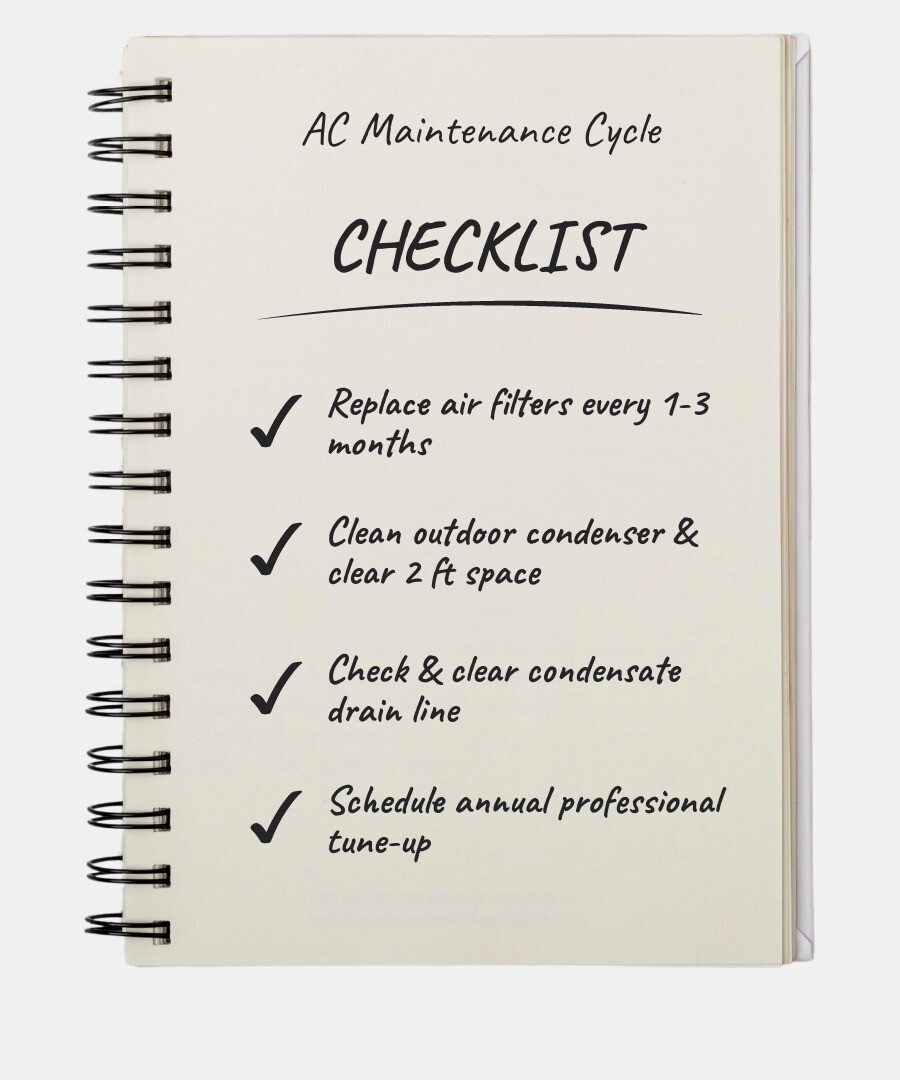
Here’s a quick overview of the essential maintenance tasks:
- Replace air filters every 1-3 months
- Clean the outdoor condenser unit and clear at least 2 feet of space around it
- Check and clear the condensate drain line to prevent clogs and water damage
- Inspect coolant lines for damaged or missing insulation
- Schedule a professional tune-up once a year, ideally in early spring
- Set your thermostat efficiently and consider upgrading to a smart thermostat
Think of your car. You wouldn’t skip oil changes and expect it to run perfectly for years. The same logic applies here.
Skipping routine maintenance has real consequences. Dirty filters restrict airflow. Clogged drain lines cause water damage. Neglected coils make your system work harder — and harder work means higher energy bills and a shorter lifespan.
The good news? Many maintenance tasks are simple enough to do yourself. And the ones that aren’t can be handled by a professional in just an hour or two.
This guide walks you through both — so your system is ready when the Massachusetts heat hits.
Why Regular central air conditioner maintenance is Essential
Living in Massachusetts, we know that when the humidity spikes in July, your air conditioner isn’t just a luxury—it’s a necessity. However, many homeowners view central air conditioner maintenance as an optional “extra” rather than a critical part of homeownership.

The truth is, your AC system is a complex piece of machinery. Without regular attention, its performance begins to degrade the moment you turn it on for the season. According to the Air Conditioner Maintenance | Department of Energy, neglecting necessary maintenance ensures a steady decline in air conditioning performance while energy use steadily increases.
By staying on top of your maintenance schedule, you achieve three major goals:
- Lower Utility Bills: A clean system doesn’t have to fight against dirt and clogs to move air.
- System Longevity: Most central AC units should last 15 to 20 years. Without maintenance, you might find yourself shopping for a replacement in year 10.
- Breakdown Prevention: Most emergency repairs we see in places like Franklin or Norfolk could have been caught during a routine spring inspection.
Maximizing Efficiency and Extending System Lifespan
Efficiency isn’t just a buzzword; it’s a measurement of how much money stays in your pocket. Central AC units are rated by SEER (Seasonal Energy Efficiency Ratio). While federal standards mandate a minimum SEER of 13, those numbers only hold true if the system is clean.
Research shows that leaky or uninsulated ducts can cause a system to lose 30% to 40% of its energy. Furthermore, simply having your outdoor condenser in direct sunlight can reduce its efficiency by as much as 10%. When you combine dirty coils with leaky ducts, you are essentially paying for cooling that never reaches your living room.
By Unlocking Comfort: The Benefits of Upgrading to a High-Efficiency Air Conditioner, you set a high baseline for efficiency, but only consistent maintenance keeps it there. Regular “tune-ups” ensure that the mechanical parts—like the blower motor and compressor—aren’t overworking, which directly prevents premature system failure.
Protecting Your Warranty and Indoor Air Quality
Did you know that skipping your annual service could actually cost you your warranty? Many manufacturers require proof of annual professional HVAC system maintenance to keep the parts warranty valid. If your compressor fails in year five but you’ve never had the unit serviced, the manufacturer may deny your claim.
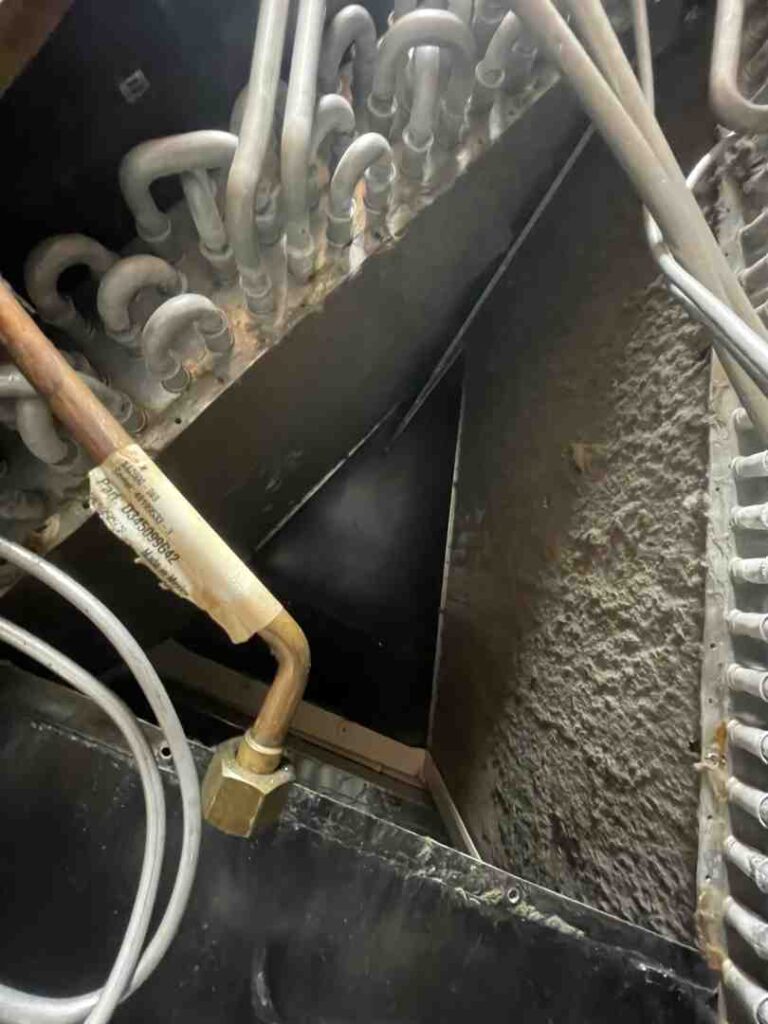
Beyond the financial aspect, maintenance is a health issue. Your AC system is responsible for filtering the air you breathe. When filters are clogged and coils are damp and dirty, they become breeding grounds for mold and bacteria. Proper maintenance involves cleaning the evaporator coils, which minimizes energy waste and prevents allergens from circulating through your home in Medfield or Bellingham.
Step-by-Step Guide to DIY and Professional Care
Maintaining a home in Massachusetts means preparing for the seasons. While some tasks require a licensed technician, there is plenty you can do to keep things humming.
Safety First: Before you touch any part of your AC system, you must turn off the power. This usually involves two steps:
- Turning off the AC at the thermostat.
- Switching off the breaker at the main electrical panel or the “disconnect box” located near the outdoor unit.
| Task | DIY or Professional? | Frequency |
|---|---|---|
| Replace Air Filters | DIY | Every 1-3 Months |
| Clear Outdoor Debris | DIY | Monthly in Summer |
| Check Thermostat Settings | DIY | Seasonally |
| Clean Condenser Coils | DIY/Pro | Annually |
| Check Refrigerant Levels | Professional | Annually |
| Clean Evaporator Coils | Professional | Annually |
| Flush Drain Line | DIY/Pro | Annually |
Step-by-Step Guide to DIY central air conditioner maintenance
The most impactful task any homeowner can perform is a clean air filter replacement. A dirty filter blocks airflow, forcing the motor to run longer and hotter.
How to Change Your Filter:
- Locate the filter: It’s usually found in the indoor air handler unit (often in a basement or attic) or behind a large return air grille in a wall or ceiling.
- Check the size: Note the dimensions printed on the side of the existing filter.
- Understand MERV ratings: Filters are rated on a MERV scale (1 to 16). For most homes in the Franklin area, a MERV 8 to 11 is the “sweet spot”—it catches dust and pollen without putting too much strain on the blower motor.
- Install correctly: Look for the “Airflow Arrow” on the filter frame. It should point toward the furnace or air handler, not away from it.
Cleaning the Outdoor Condenser Unit and Clearing Debris
The outdoor unit is the “heart” of the system, responsible for dumping the heat from your home into the outside air. If it’s choked by weeds or dust, it can’t do its job.
- Clear the Perimeter: Ensure there is at least a 2-foot (24-inch) clearance around the unit. Trim back shrubs, tall grass, and remove any “volunteer” trees that have sprouted nearby.
- Clean the Fins: Over time, the metal “fins” on the condenser get clogged with cottonwood seeds, grass clippings, and dirt. You can gently vacuum these with a soft brush attachment or use a garden hose on a low-pressure setting. Never use a power washer, as it will flatten the delicate aluminum fins and block airflow entirely.
- Straighten Fins: If you see bent fins, you can use a “fin comb” (available at most hardware stores) to carefully straighten them out. This is one of the most common Common Summer AC Problems that leads to poor cooling performance.
Checking the Condensate Drain Line and Thermostat Settings
As your AC cools the air, it also removes humidity. That moisture turns into water that must drain out of your house.
- The Drain Line: Locate the PVC pipe that exits your indoor unit. If this line clogs with algae or sludge, water will back up into your home, potentially damaging your ceilings or floors. You can perform a drain line check by looking for standing water in the emergency drain pan. If you see water there, you have a clog. A simple DIY fix is to pour a cup of white vinegar down the drain line access port once a year to kill algae growth.
- Thermostat Settings: Check your thermostat to ensure it is calibrated. If you’re still using an old manual slider, consider upgrading to a programmable or smart model. This allows you to raise the temperature when you’re at work in Boston or Newton and have the house cool by the time you get home, saving significant energy.
- Winter Preparation: When the cooling season ends in late September, clear any debris from the base of the outdoor unit. While you don’t necessarily need to wrap the entire unit in a plastic tarp (which can trap moisture and cause rust), placing a piece of plywood over the top can protect it from falling icicles.
When to Schedule Professional central air conditioner maintenance
While DIY tasks are great for day-to-day efficiency, there are things only a pro should handle. For example, checking refrigerant levels requires specialized gauges and a license to handle the chemicals. If your refrigerant is low, it means you have a leak, and simply “topping it off” is a temporary fix that ignores the underlying Common Reasons Why Your AC Won’t Turn On.
At Accurate Heat, we recommend a professional AC tune-up visit every spring.
What a Professional Tune-Up Includes:
- Electrical Inspection: We tighten all wire connections and measure voltage/current on motors.
- Refrigerant Check: We ensure the “charge” is exactly where it needs to be for optimal heat transfer.
- Component Lubrication: We lubricate moving parts to reduce friction and wear.
- System Diagnostics: We test the starting cycle and safety controls to ensure the system won’t fail when it’s 95 degrees outside.
An AC tune-up visit typically lasts between 1 to 2 hours. In Massachusetts, the average cost of professional maintenance ranges from $75 to $200, which is a small price to pay compared to the cost of a full compressor replacement.
Signs Your AC Needs Immediate Attention
Sometimes, even with the best central air conditioner maintenance routine, things go wrong. If you notice any of the following, it’s time to stop the DIY efforts and call for AC Repair Services:
- Strange Noises: Squealing, grinding, or banging sounds often indicate a belt has slipped or a motor bearing is failing.
- Warm Air: If the air coming from your vents isn’t cold, you might have a refrigerant leak or a failed compressor. Check out our guide on Why Your AC Isn’t Cooling for more details.
- Frequent Cycling: If the unit turns on and off every few minutes, it’s “short-cycling,” which puts immense strain on the hardware.
- High Humidity: If your home feels “clammy” even though the AC is running, the system isn’t effectively removing moisture.
- Unusual Odors: A musty smell often points to mold in the ductwork or a clogged drain line, while a “burning” smell indicates electrical issues.
Whether you are in Franklin, Medway, or Wrentham, these signs shouldn’t be ignored. Catching a small issue during a Stay Cool with Professional Air Conditioning Service visit can save you from a much larger bill down the road.
Conclusion: Staying Comfortable in the Bay State
Maintaining your central air conditioner isn’t just about comfort—it’s about being a smart homeowner. By following this checklist, you ensure that your system runs efficiently, your air stays clean, and your monthly bills stay manageable.
From the simple task of changing a filter to scheduling an annual professional AC Maintenance Services, every bit of effort helps. If you haven’t had your system inspected this year, or if you’ve noticed your cooling bills creeping up, don’t wait for the first heatwave to take action.
For expert AC Maintenance & AC Installation Contractors in Franklin, MA, our team is here to help. We serve a wide range of communities, including Norfolk, Holliston, and Hopkinton, providing the reliable service you need to keep your home a sanctuary all summer long.
Ready to ensure your AC is in top shape? Visit our AC Maintenance Services page to schedule your spring tune-up today!