
Consider heat pumps if you’re searching for a new heating and cooling system to install in your home or business. These systems have gained popularity because of their efficiency and versatility. In this blog, we’ve prepared a comprehensive guide covering everything you need about heat pump systems. You’ll learn how they work, the types available, and the benefits of installing one at your residence or work. We’ll also advise on what factors you should consider before purchasing, how to choose the right size for your needs, the essential components of a heat pump system, and maintenance tips to keep it functioning correctly.
What are Heat Pump Systems?
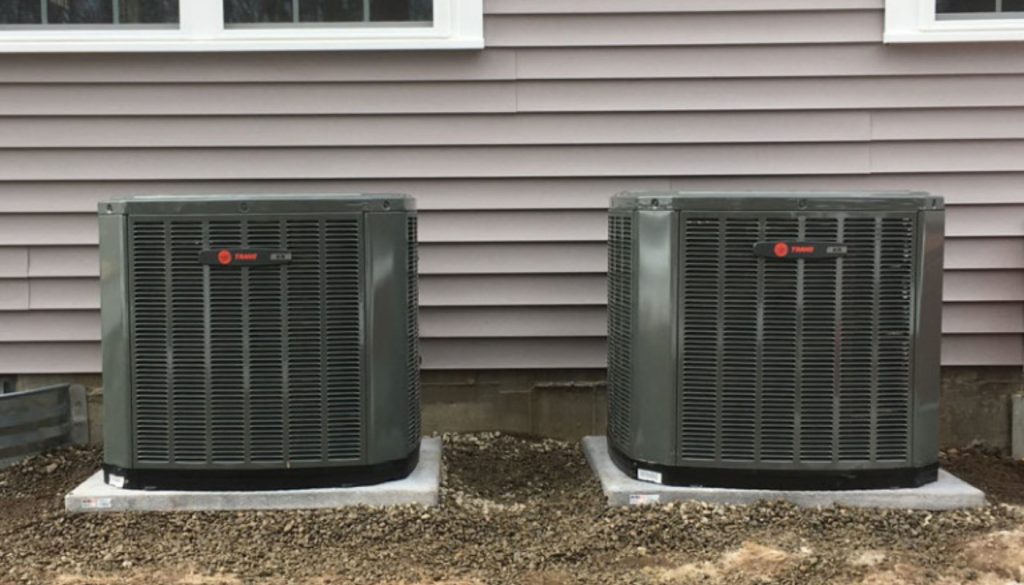
Heat Pump Systems are a popular and eco-friendly option for regulating home temperature. They transfer heat from the air or ground, providing heating and cooling in one system. Compared to traditional HVAC systems, they can save energy and money on utility bills. There are three main types of Heat Pump Systems: air-source, ground-source, and hybrid systems. Air-source pumps extract heat from the outside air and distribute it throughout the home. Ground-source pumps use underground loops to remove heat from the ground and transfer it to the house. Hybrid systems combine atmosphere- and ground-source technologies for even more efficient heating and cooling. Heat Pump Systems offers a practical and sustainable solution for maintaining a comfortable indoor environment while reducing energy consumption.
How Do Heat Pump Systems Work?
Heat pump systems are a highly efficient and cost-effective way to provide heating and cooling for your home. These systems work by transferring heat from one place to another using refrigerant. In heating mode, the pump absorbs heat from outside and releases it inside, while in cooling mode, it absorbs heat from inside and releases it outdoors.
The process of transferring heat involves a series of steps that rely on the properties of the refrigerant. First, the refrigerant is compressed, which increases its temperature and pressure. It is then sent through a condenser coil, releasing heat to the surrounding air or water.
The cooled refrigerant then passes through an expansion valve, which reduces its pressure and temperature, allowing it to absorb heat from the indoor air or water. Finally, the refrigerant passes through an evaporator coil, which absorbs this heat before being compressed and starting the cycle over.
One of the significant advantages of heat pump systems is their efficiency – they can produce up to three times more energy than they consume, making them an environmentally-friendly option for homeowners looking to reduce their carbon footprint. With proper maintenance and installation by a professional HVAC technician, a heat pump system can provide reliable comfort all year round.
Types of Heat Pump Systems
Considering an energy-efficient heating and cooling solution, you should learn more about Heat Pump Systems. These systems work by transferring the heat energy from the outdoor environment to move it to the indoor climate using refrigerant fluids. Various types of Heat Pump Systems are available, such as air-source, ground-source, hybrid, and mini-split systems.
Air-source Heat Pumps extract heat from the outer air to warm your home, while ground-source Heat Pumps use the comparatively warmer temperature underground to transfer that to your home’s indoor environment. Mini-Split Heat Pumps are ideal for heating or cooling individual rooms or small spaces in your house without needing ductwork. Homeowners can save on their energy bills with these efficient systems, which operate well even in colder climates if sized correctly and installed by a reliable HVAC contractor while adhering to industry standards.
Is a Heat Pump System Right for You
If you’re looking for a way to save money on your energy bill and reduce your carbon footprint, a heat pump system may be the perfect solution. Heat pumps transfer heat from one area to another, making them an efficient alternative to traditional heating and cooling systems. They are particularly effective in moderate climates where the temperature is not too extreme. With a heat pump system, you can enjoy consistent indoor temperatures throughout the year while reducing energy costs.
However, it’s essential to consult with an HVAC professional before deciding to install a heat pump system in your home. They can help you determine if a heat pump system is right for your specific needs and provide recommendations for your home’s best system. With their expertise and guidance, you can make an informed decision about whether or not a heat pump system is the right fit for you.

Factors to Consider Before Buying a Heat Pump System
When investing in an efficient heating and cooling solution for your home, evaluating several factors carefully is essential. Start by assessing your specific space heating and cooling requirements to determine whether a heat pump system suits you. Next, consider the local climate where you live and the various types of heat pumps available on the market today. It’s also wise to research different energy-efficiency ratings across multiple models to select one that will help keep your energy costs low while maintaining comfortable temperatures throughout your entire home or business. Consider installation and maintenance costs when calculating the overall value.
How to Choose the Right Size Heat Pump System
You need to factor in various things to choose the right size heat pump system for your home. First, evaluate your heating and cooling needs per your insulation levels, climate zone, and home size. Secondly, ensure that your heat pump is sized correctly; it will save you from inefficiencies and increased energy costs. You should always seek advice from a professional HVAC technician who can effectively guide you through this process. Lastly, regular maintenance is necessary to make sure that your heat pump operates at optimal performance and efficiency.
Energy-Efficient Heating and Cooling with Heat Pump Systems
Heat pump systems provide an efficient way to maintain a comfortable temperature in your home while minimizing energy costs. By moving heat energy instead of generating it, these systems consume less energy than traditional heating or cooling methods like air conditioners, furnaces, or boilers that burn fossil fuels. Heat pumps come in two types: air-source and ground-source, each offering advantages depending on the local climate. Installing a heat pump system can lead to significant savings due to factors like rebates or tax credits from Energy Star-certified products. However, it is essential to consider the size of the unit concerning the entire home’s heating and cooling needs and have regular maintenance from an HVAC contractor for optimal performance.
Essential Components of a Heat Pump System
A Heat Pump System consists of several essential components that work together to provide efficient heating and cooling for homeowners. Heat Pump Systems use a compressor, condenser, evaporator, expansion valve, and refrigerant to move heat between indoor and outdoor units. The compressor transfers heat from one area to another, while the condenser releases the heat the evaporator absorbs into the surroundings.
Moreover, an essential component of a Heat Pump System is its refrigerant which plays a critical role in transferring heat between different areas. With less energy consumption than gas furnaces or air conditioners, homeowners can enjoy considerable cost savings on their energy bills using a Heat Pump System. To optimize energy efficiency and maintain comfortable temperatures throughout every season of the year, consider installing a Heat Pump System today.
Air-Source Heat Pumps vs. Mini-Split Systems
Choosing between air-source heat pumps and mini-split systems for your home can be challenging, but understanding the key differences between the two options can help make the choice easier. While both options use the principles of heat energy to move heat around rather than generating it from scratch like a furnace or boiler does, they have distinct advantages. Air-source heat pumps are typically less expensive to install and can provide heating and cooling for your entire home. Mini-split systems are usually more efficient and offer zoned heating and cooling with multiple indoor air handlers connected to one outdoor unit. Factors like local climate, energy efficiency goals, budget, and comfort preferences are essential when deciding which system suits you.

Moreover, an essential component of a Heat Pump System is its refrigerant which plays a critical role in transferring heat between different areas. With less energy consumption than gas furnaces or air conditioners, homeowners can enjoy considerable cost savings on their energy bills using a Heat Pump System. To optimize energy efficiency and maintain comfortable temperatures throughout every season of the year, consider installing a Heat Pump System today.
Choosing the Right Contractor for Your Heat Pump System
When you’re looking for a contractor to install or maintain your heat pump system, choosing someone experienced with heating and cooling systems is crucial. Ensure they’re correctly licensed and insured by checking their credentials before hiring them. Also, ask for references from previous customers or read reviews online to determine their level of customer satisfaction. Always consider the contractor’s availability, communication skills, and responsiveness when deciding which one to hire. And don’t forget to get multiple quotes from different contractors before making a final decision. By following these tips, homeowners can find a reliable HVAC contractor who will help them save energy costs while enjoying comfortable indoor temperatures all year round.
Benefits of a Backup Heating System for Your Heat Pump
A backup heating system for your heat pump has several benefits that every homeowner should consider. One of the most significant advantages is that it provides warmth during frigid temperatures. This ensures your home stays comfortable and cozy, even during the harshest winter months. Another benefit of having a backup heating system is that it can help decrease energy costs by allowing your heat pump to run more efficiently. This is because when outdoor temperatures drop below a certain level, the heat pump may struggle to keep up, and the backup system can take over.
Alternatives for backup heating systems are available, including electric or gas-powered systems. It is advisable to consult with an HVAC contractor to determine which option works best for your specific needs and budget. A backup heating system offers peace of mind, especially during inclement weather conditions, ensuring you and your family stay warm and comfortable throughout the year.
Conclusion
In Massachusetts, Accurate Baker Elman offers heat pump systems that are an excellent alternative to traditional heating and cooling systems. These heat pumps provide energy-efficient solutions that help homeowners save money on their utility bills while reducing their carbon footprint. With a wide range of options available, the team of experts at Accurate Baker Elman can assist you in identifying the system that best suits your needs and budget. Upgrading your heating and cooling system with heat pump technology is an intelligent decision that will yield numerous benefits. Contact Accurate Baker Elman today to learn how to take advantage of these modern systems.