
Why Understanding New Boiler Replacement Costs Matters
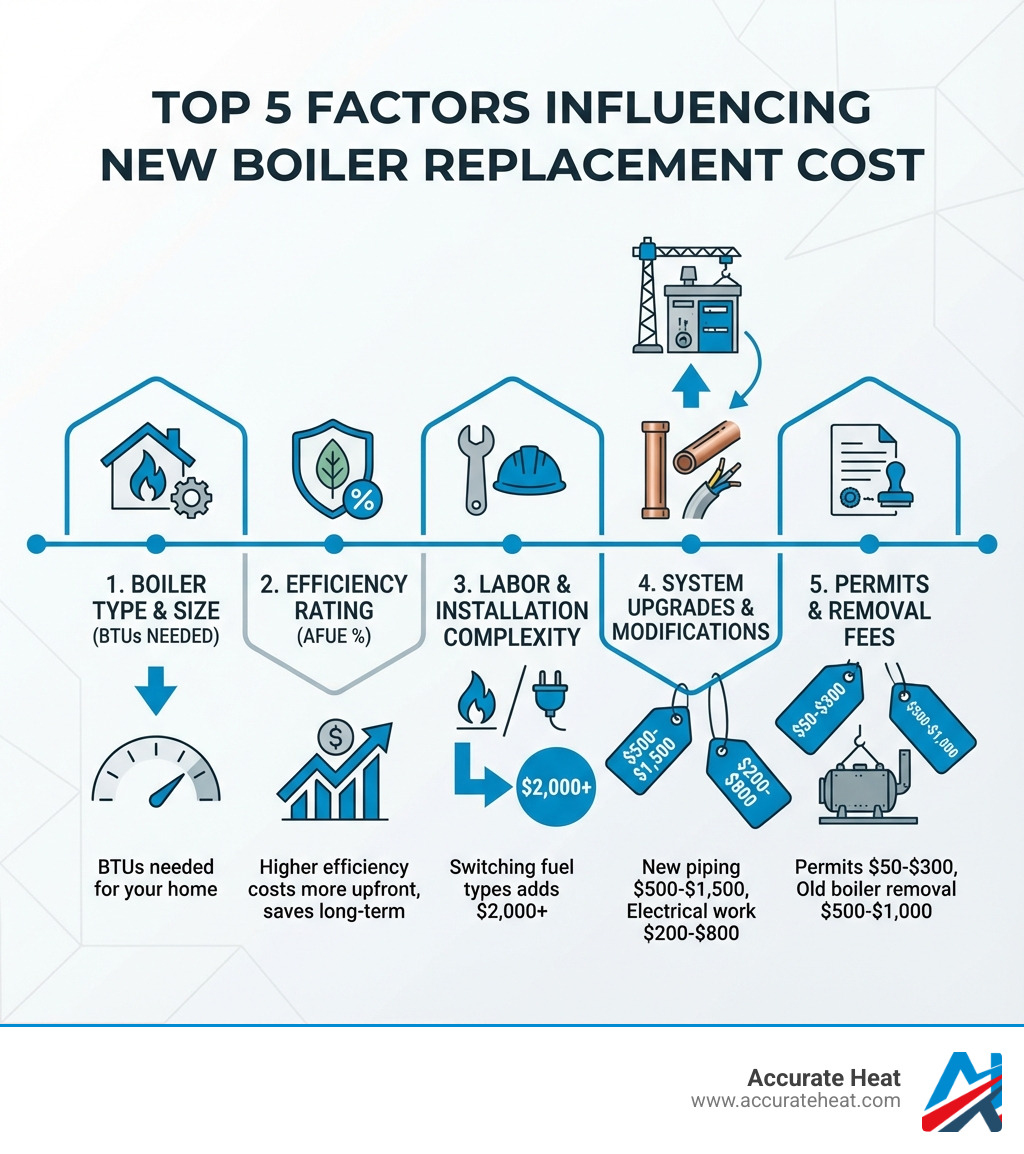
New boiler replacement typically costs between $3,500 and $8,500 in Massachusetts, but your final price depends on several key factors:
- Boiler Type: Combi boilers ($3,000-$7,500), System boilers ($2,500-$5,000), or Conventional boilers ($2,200-$5,500)
- Efficiency Rating: Standard models (85% AFUE) start around $3,500, while high-efficiency units (90%+ AFUE) range from $6,000-$8,500
- Installation Complexity: Labor costs run $1,500-$2,500, with additional expenses for fuel conversions, system upgrades, or chimney work
- Equipment & Permits: Boiler unit ($2,000-$5,000), permits ($50-$300), and old unit removal ($500-$1,000)
A new boiler is one of the most expensive household purchases, and it’s often an urgent one. When your boiler breaks down in a frigid Massachusetts winter, you’re left scrambling to understand costs and find a trustworthy contractor.
The reality is that boiler replacement involves more than just new equipment; installation complexity, hidden expenses, and operating costs all affect your bottom line. Many homeowners face unexpected costs after committing to a contractor.
This guide breaks down every cost factor to help you budget accurately and avoid surprises. We’ll cover when to replace vs. repair, what drives prices, and how to maximize your investment through rebates and financing.
Whether your old boiler is failing or you’re planning for better efficiency, understanding the true cost of replacement helps you make a confident decision that keeps your home warm without breaking the bank.
7 Telltale Signs It’s Time to Replace Your Boiler
Nobody wants to replace their boiler. It’s a significant investment, and the decision often comes unexpectedly—usually on the coldest day of the year! But sometimes, a new boiler replacement is the smartest financial and safety decision. Here are seven clear indicators it’s time:
- Your Boiler is Getting Old: Most boilers last 15-20 years. The Department of Energy recommends considering replacement with a more efficient model after 15 years. If yours is over 20, it’s time for an upgrade, even if it seems to be working.
- It’s Causing the Water Temperature to Fluctuate: Inconsistent water temperatures can signal sludge buildup, a blockage, or a failing boiler. It’s a clear sign your system is struggling and may need replacing.
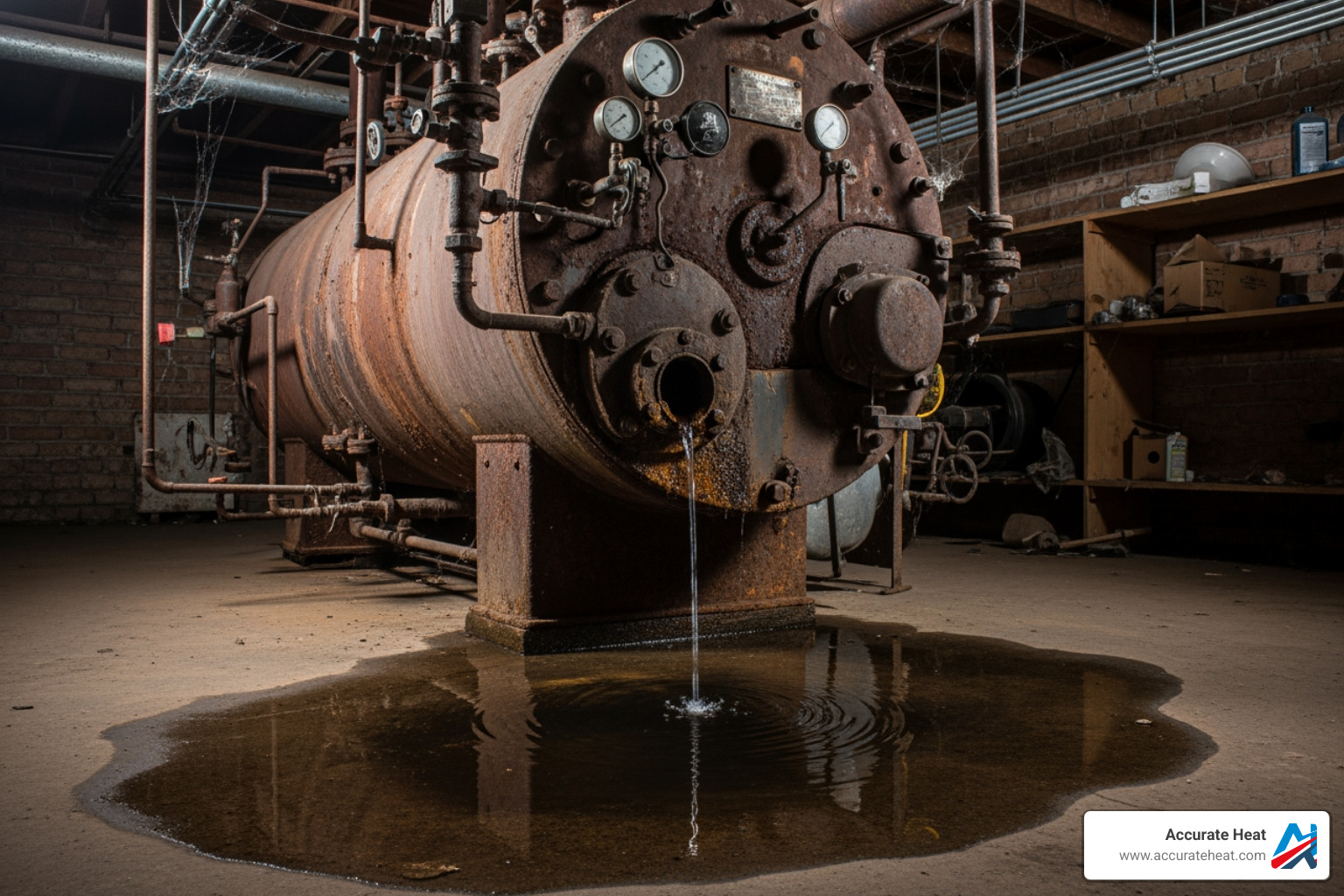
- There’s a Water Leak: While a loose joint is a simple fix, leaks from corrosion or cracks are a serious red flag. A new boiler replacement is often the most cost-effective solution to prevent significant water damage and mold.
- You Can See Damage or Hear Strange Noises: Visible rust indicates internal corrosion. Banging, whistling, or gurgling sounds are distress signals that point to serious internal problems.
- There’s a Yellow Pilot Flame: A healthy gas boiler has a crisp, blue pilot flame. A yellow or orange flame means inefficient gas combustion, which can create dangerous carbon monoxide and increase energy bills. This is a hazardous situation requiring immediate professional attention.
- Your Energy Bills Have Spiked: A significant, unexplained spike in your heating costs suggests your boiler is losing efficiency. An older unit has to work harder and consume more fuel to heat your home.
- It Frequently Breaks Down or Repair is Not Cost-Effective: If you’re calling for repairs more than once a season, your boiler is likely near the end of its life. The cost of frequent repairs on an old unit often outweighs the investment in a new, reliable one. For more info about common boiler problems, check out our guide.
If you’re experiencing any of these signs, it’s time to call in the professionals. We can help you determine if a repair is viable or if a new boiler replacement is the smarter move for your Massachusetts home.
Breaking Down the Costs of a New Boiler Replacement
Understanding the cost of a new boiler replacement can be complex. We’re here to clarify what you can expect to pay for a boiler replacement in Massachusetts.
A typical boiler replacement in our service areas, including Franklin, Norfolk, and Medway, ranges from $3,000 to $8,000. However, complex installations or high-efficiency models can cost $9,000 to $25,000, with many homeowners finding a good boiler that fits their needs for $12,000 to $16,000.
Here’s a general breakdown of the costs:
- Equipment Costs: The boiler unit itself usually accounts for $2,000 to $5,000 of the total.
- Installation Labor Costs: Expect to pay between $1,500 and $2,500 for the professional installation.
- Required Permits: Local building permits in Massachusetts can cost $50 to $300.
- Old Boiler Removal: Hauling away your old boiler can add $500 to $1,000 to the project.
Let’s look at typical cost ranges for standard versus high-efficiency models:
- Standard Efficiency Boilers (around 85% AFUE): These models typically start at approximately $3,500 installed, offering a reliable heating solution.
- High-Efficiency Boilers (90%+ AFUE): For maximum energy savings, these advanced units can cost between $6,000 and $8,500 installed. They often qualify for rebates that offset the higher price.
Factors Influencing Your New Boiler Replacement Cost
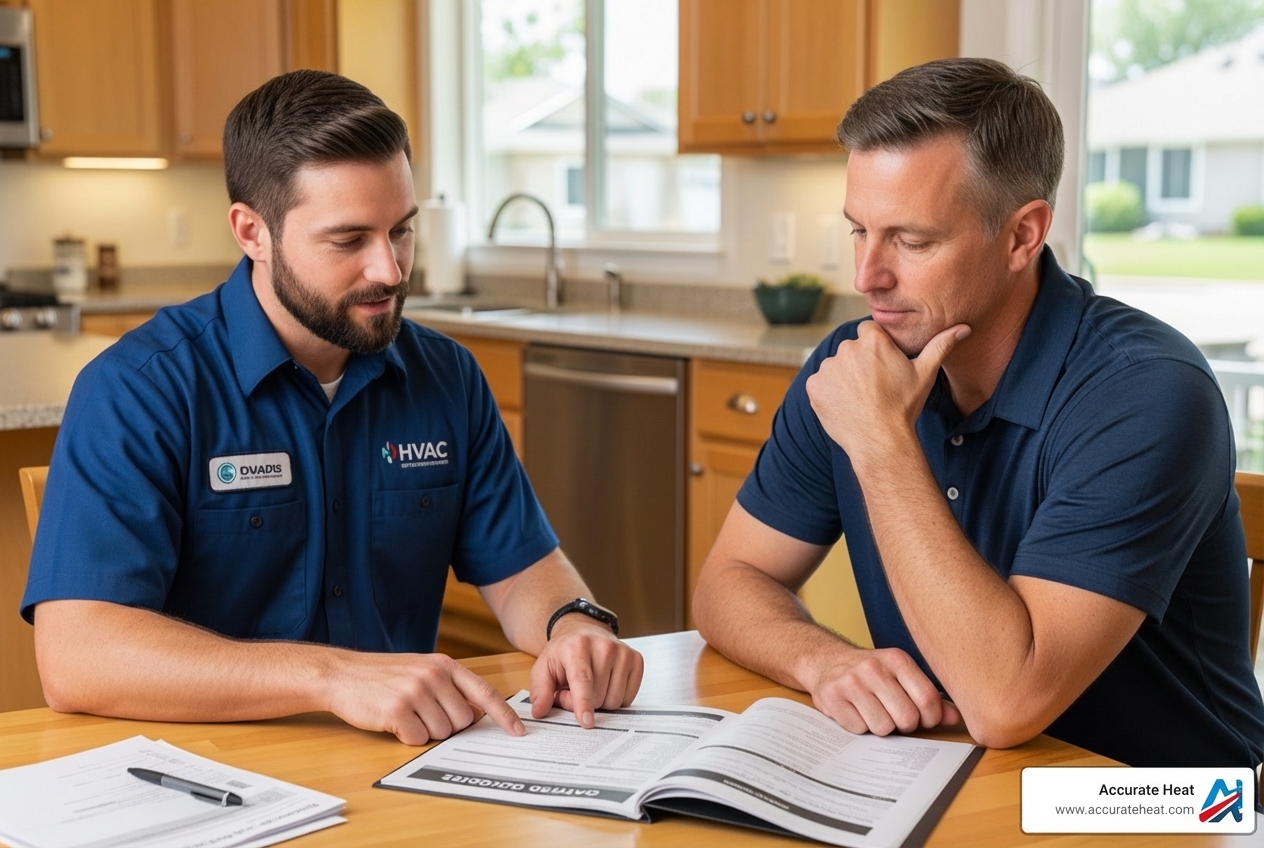
Many variables affect the final price of your new boiler replacement. Understanding them helps us provide an accurate estimate.
- Boiler Type: The kind of boiler you choose significantly impacts the cost.
- Combi Boilers: These compact units provide on-demand heating and hot water. Unit cost: $3,000-$7,500.
- System Boilers: Ideal for homes with multiple bathrooms, they use a storage cylinder for hot water. Unit cost: $2,500-$5,000.
- Conventional (Heat-Only) Boilers: Best for large homes with high hot water demand, requiring a cold water tank and hot water cylinder. Unit cost: $2,200-$5,500.
- Fire-tube vs. Water-tube: Fire-tube boilers are generally less efficient and less expensive, while water-tube boilers are more efficient but pricier.
- Boiler Size (BTUs): This is the boiler’s heating capacity. Larger homes need more BTUs, increasing the cost. A 2,000-square-foot home in a cold climate like Massachusetts typically needs 100,000 to 150,000 BTUs.
- Fuel Source: The fuel type affects equipment and installation costs.
- Natural Gas Boilers: Often the most convenient and efficient option.
- Oil Boilers: A common choice where natural gas is unavailable.
- Electric Boilers: A viable option if gas or oil isn’t available, but typically have higher running costs.
- Switching Fuel Types: Converting from oil to gas adds costs (around $2,000) for new gas lines and oil tank removal.
- Brand and Model: Like cars, boiler brands differ in quality, features, and price. We use trusted, reliable manufacturers.
- AFUE Rating: The Annual Fuel Utilization Efficiency (AFUE) rating measures fuel-to-heat efficiency. We suggest at least 85% AFUE. Higher AFUE means lower energy bills, though the upfront cost is higher, especially for 90%+ AFUE systems. To explore energy-efficient heating solutions further, check out our dedicated guide.
Understanding Installation and “Hidden” Expenses
Beyond the boiler unit, other costs contribute to the total price. These are often “hidden” expenses that can surprise homeowners if not discussed upfront.
- Labor Rates: Certified technicians typically charge $75 to $150 per hour. A standard installation takes 6-10 hours, but complex jobs take longer.
- Installation Complexity: A simple “like-for-like” swap is less expensive than a complete system overhaul.
- Switching Fuel Types: As mentioned, converting from oil to natural gas can add approximately $2,000 to the project.
- System Upgrades and Modifications: Your existing system may need upgrades for a modern boiler.
- New Piping: Replacing old piping can add $500 to $1,500.
- Electrical Modifications: Required electrical work can cost $200 to $800.
- Radiators or Zone Controls: Adding new radiators or zone controls can cost $1,000 to $3,000.
- Chimney Liner Replacement: A new chimney liner for a high-efficiency boiler can cost $400 to $1,000.
- System Cleaning (Power Flush): A power flush to clean system sludge is often recommended, costing $300 to $750.
These costs ensure your new system operates safely and efficiently. For a detailed look at what goes into our installations, learn about our heating installation process.
Financing, Rebates, and Incentives
A new boiler replacement is a major investment, but financing, rebates, and incentives can make it more affordable for Massachusetts homeowners.
Here are common payment and savings options:
- 0% APR Financing: We and other companies offer 0% APR financing for qualified buyers, allowing you to pay over time without interest.
- Monthly Payment Plans: Longer-term monthly payment plans ($50-$200/month) are also available, often with competitive rates.
- Home Improvement Loans: Local credit unions offer home improvement loans with rates typically between 5-12%.
- Utility Company Rebates: Massachusetts utility companies offer rebates ($100-$1,000) for high-efficiency, ENERGY STAR certified boilers. We can help you find and apply for them.
- Government Tax Credits: Federal and state governments, including programs like Mass Save, offer tax credits and rebates for energy-efficient upgrades. It’s always worth checking for current incentives.
Investing in an ENERGY STAR certified boiler is often key to open uping these benefits. We can help you steer these options. You can view our financing options and check available rebates for Massachusetts homeowners.
How to Choose the Right Boiler for Your Home
Choosing the right boiler for your home in Massachusetts isn’t just about price. It’s about balancing performance, efficiency, and cost-effectiveness to fit your specific needs, budget, and long-term savings goals. For a deeper dive, read our complete buying guide.
Comparing Boiler Types: Combi, System, and Conventional
Understanding the main types of boilers is crucial for a new boiler replacement. Each has its own pros and cons.
| Feature | Combi Boiler | System Boiler | Conventional (Heat-Only) Boiler |
|---|---|---|---|
| Cost (Unit Only) | $3,000 – $7,500 | $2,500 – $5,000 | $2,200 – $5,500 |
| Space Required | Compact, no external tanks needed | Moderate, requires hot water cylinder | Large, requires hot water cylinder and cold water tank |
| Hot Water Supply | Instant, on-demand; limited by flow rate | Stored hot water; good for multiple bathrooms | Stored hot water; excellent for high demand |
| Best Use Case | Small to medium homes, 1-2 bathrooms | Medium to large homes, 2+ bathrooms, good water pressure | Large homes, high hot water demand, low water pressure |
| Key Advantage | Space-saving, efficient, no heat loss from tank | Constant hot water, doesn’t need header tank | Can supply multiple taps simultaneously |
Your choice will depend on your household’s hot water demand, available space, and budget.
Sizing Your Boiler Correctly for Your Home’s Needs
Properly sizing your boiler is critical. An undersized unit won’t heat your home, while an oversized one wastes energy and wears out faster. It needs to be just right. We use British Thermal Units (BTUs) to measure heating capacity and consider these factors:
- Square Footage: A primary factor. A 2,000-square-foot home might need a boiler between 100,000 and 150,000 BTUs.
- Number of Bathrooms: Higher hot water demand from more bathrooms requires a greater capacity boiler.
- Climate Considerations: Our cold Massachusetts winters require more powerful boilers to maintain comfort.
- Insulation Levels: Good insulation allows for a smaller boiler, while poor insulation requires a more powerful one.
- Home Layout and Orientation: Factors like window count and house orientation also influence heat loss and required BTU output.
We specialize in precise load calculations to ensure your new boiler is perfectly matched to your home. You can learn how to size your HVAC system in more detail, and the U.S. Department of Energy provides general guidance on selecting a new boiler.
Efficiency Ratings and Long-Term Savings
An energy-efficient boiler saves you money on utility bills long-term. This is where AFUE ratings are important.
- AFUE Ratings: The Annual Fuel Utilization Efficiency (AFUE) measures how well a boiler converts fuel into heat. A 90% AFUE rating means 90% of the fuel becomes usable heat. We recommend choosing a boiler with at least 85% AFUE for better savings.
- Condensing Boilers: These are highly efficient, often achieving up to 95% AFUE. They capture extra heat from exhaust gases that older models waste, which can reduce gas usage by up to 20% and lead to substantial savings.
- Reduced Fuel Consumption & Lower Utility Bills: A more efficient boiler uses less fuel, lowering your monthly utility bills. Over the 15-20 year lifespan of a new condensing boiler, these savings can amount to thousands of dollars, helping to offset the initial investment. Upgrading from an old, inefficient boiler could save you hundreds of dollars annually.
Choosing an energy-efficient model for your new boiler replacement is a smart financial decision. To understand the impact on your home, discover the benefits of high-efficiency systems.
The Professional Boiler Installation Process Explained
A professional new boiler replacement for your Massachusetts home should be seamless, efficient, and safe. We prioritize transparent communication so you understand each step of our process:
- Initial Consultation and Home Assessment: We start by discussing your needs and budget. Our technicians then perform a thorough home assessment (size, insulation, piping, hot water demand) to recommend the right boiler.
- System Design and Equipment Selection: Based on our assessment, we design a custom solution, selecting the optimal boiler and detailing any necessary upgrades to meet efficiency standards.
- Preparation and Old Unit Removal: On installation day, we protect your home, safely disconnect and remove your old boiler, and handle its proper disposal.
- New Boiler Installation: Our licensed technicians install the new boiler, making all plumbing and electrical connections and installing new components while adhering to all local Massachusetts building codes and safety regulations.
- System Flush and Water Treatment: We perform a system flush to clean pipes of debris and add water treatment to prevent corrosion, maximizing your new boiler’s lifespan and efficiency.
- Testing and Calibration: We rigorously test the new system, checking for leaks, calibrating controls, and ensuring optimal heating performance for your safety and comfort.
- Post-Installation Support and Walkthrough: Before we leave, we’ll walk you through your new system’s operation and maintenance requirements and answer all your questions. Our support continues long after the installation is complete.
Choosing professional installation is crucial for safety, performance, and warranty coverage. Improper installation can lead to reduced efficiency and serious safety risks. For more reasons why, read our guide on why professional installation matters.
Frequently Asked Questions about Boiler Replacement
What is the expected lifespan of a new boiler?
A new, professionally installed condensing boiler should last 15-20 years with regular maintenance. Annual servicing is key to maximizing its lifespan and efficiency. The Department of Energy recommends considering replacement after 15 years. Regular tune-ups (maintenance plans typically range from $150-$300 annually) extend its life and prevent costly breakdowns (repairs often cost $200-$400 per visit). For a comprehensive guide, see our boiler maintenance checklist.
How long does a new boiler replacement take?
A straightforward new boiler replacement, like a like-for-like swap, usually takes 6-10 hours and can often be completed in a single day. More complex jobs, such as converting from a conventional system to a combi boiler, can take 1-2 days. We provide an estimated timeline during our initial consultation.
Can I install a boiler myself?
DIY boiler installation is strongly discouraged and, for gas boilers, is illegal in many areas of Massachusetts without proper licensing. It poses significant safety risks (gas leaks, carbon monoxide), voids manufacturer warranties, and results in inefficient operation. Always use a licensed, insured professional for your new boiler replacement to ensure safety, compliance with building codes, and optimal performance.
Conclusion
Navigating a new boiler replacement can be overwhelming, but with the right information, it doesn’t have to be. We’ve covered the signs you need an upgrade, costs, financing, and the installation process. Making an informed decision by balancing the upfront cost with long-term savings is key to keeping your home warm and your budget happy.
The importance of professional installation cannot be overstated. A properly sized, expertly installed, and regularly maintained boiler will provide reliable, efficient heat for years, saving you money and stress. For expert advice and a transparent quote for your home in Franklin, Norfolk, Medway, or anywhere in Massachusetts, trust the certified technicians at Accurate Heat. With over 30 years of experience, we provide honest, timely solutions. Contact us today for your heating installation needs – we’re ready to help you stay cozy this winter!