
HVAC Blogs
DIY vs. Professional Cooling Repairs in Massachusetts
When the summer heat hits in Massachusetts, the last thing you want is for your cooling system, including your central air and air conditioning, to fail. Whether you have an air conditioner or a heat pump, keeping it in good working condition is crucial for staying comfortable during those hot and humid days. In this blog post, we’ll explore the common cooling repairs that homeowners in Massachusetts may encounter, including air conditioning issues, and how to address them. From refrigerant leaks to faulty compressors, we’ll cover it all so you can stay cool all summer long. So, let’s dive in and find out how to keep your cooling system, ensuring efficient heating and cooling, including your central air and air conditioning, running smoothly in the Bay State.
Basics of DIY Cooling Repairs
Save money on service costs with DIY cooling repairs. Troubleshoot common issues by understanding your cooling system basics. DIY repairs are temporary until professional help is available. Homeowners can easily perform tasks like cleaning filters and checking for leaks. Take control of your cooling system with DIY repairs.
Common Cooling System Problems and How to Fix Them
Homeowners can resolve common issues with their cooling system using do-it-yourself (DIY) methods. When the air filter becomes clogged, it reduces airflow and efficiency. Low levels of refrigerant may indicate leaks that require repair. Inaccurate temperature control can be caused by faulty thermostats. Dirty condenser coils impede heat transfer and affect cooling performance. Malfunctioning fan motors disrupt both airflow and cooling. Regular maintenance of ductless systems, which do not rely on ducts for air delivery, reduces the chances of dust and particle accumulation. By addressing these problems, homeowners can ensure efficient cooling in their homes.
Safety Measures for DIY Repairing
Before starting any DIY repair work, ensure to turn off the power supply. Protect yourself by wearing appropriate safety gear like gloves and goggles. It’s important to follow the manufacturer’s instructions and safety guidelines. Be cautious when handling refrigerant, as it can be harmful if not handled properly. If you’re unsure or uncomfortable with any aspect of the repair, it’s best to call a professional.
When to Consider Professional Cooling Repairs
Complex issues like compressor or motor failures require professional expertise. Professional repairs ensure accurate diagnoses and effective solutions. If DIY attempts fail to resolve the problem, it’s time to call a professional. Professional cooling repairs come with warranties for added peace of mind and save you time and effort.
Complexities Beyond DIY Repairs
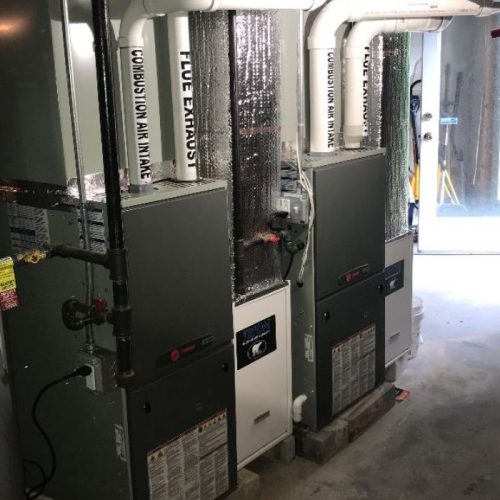
Handling complex cooling system issues goes beyond DIY repairs. Advanced troubleshooting and diagnostics, as well as commercial HVAC service, require specialized tools and knowledge. Complex electrical work, such as installation services, should be left to professionals. With their experience, they can identify hidden issues and navigate the intricate components of modern cooling systems. They can also provide recommendations for upgrades or replacements if needed.
Cost Comparison: DIY vs. Professional Repairs
While DIY cooling repairs may seem cost-effective upfront, mistakes can lead to hidden expenses. Professional repairs, though they have upfront costs, can save you money in the long run by preventing further damage. Additionally, DIY repairs may void warranties on certain components, while professional repairs offer value for money with expertise and long-lasting solutions. Remember to consider potential equipment costs for DIY repairs.
Quality and Longevity: DIY vs. Professional Repairs
When it comes to quality and longevity, professional repairs offer high-quality workmanship and reliable performance. They can extend the lifespan of your cooling system by using industry-standard practices. On the other hand, DIY repairs may lack precision and accuracy, potentially leading to further damage and reduced system longevity.
How to Choose a Reliable Professional Cooling Repair Service?
When searching for a trustworthy professional cooling repair service, it’s important to conduct research on local companies and review customer feedback. It’s also crucial to consider certifications, licenses, and specialized expertise in your specific cooling system brand. Before making a final decision, request references from potential service providers and compare quotes from multiple companies to ensure that you make an informed choice. Professionalism should also be a key factor in your decision-making process, as it reflects the values of the service provider and their commitment to delivering high-quality work and customer satisfaction.
Taking these steps can help you find a reliable and experienced cooling repair service provider who can diagnose and fix any issues with your cooling system quickly and efficiently. A professional repair service can help extend the lifespan of your equipment while ensuring that it runs at peak efficiency, saving you money on energy bills in the long run. With the right service provider on your side, you can enjoy reliable and effective cooling all year round.
Conclusion
When it comes to cooling repairs in Massachusetts, you need a reliable and experienced team that you can trust. At Accurate Baker Elman, we have been providing top-notch cooling repair services for years. Our skilled technicians are equipped with the knowledge and expertise to diagnose and fix any cooling issues you may be experiencing. Whether it’s a faulty AC unit or a malfunctioning thermostat, we’ve got you covered. We understand the importance of having a properly functioning cooling system, especially during those hot summer months. Don’t suffer through the heat any longer – contact Accurate Baker Elman today for all your cooling repair needs.