Why Your Home’s Plumbing Deserves More Attention Than It Gets
Residential plumbing solutions are the systems, repairs, upgrades, and maintenance tasks that keep water flowing safely and efficiently through your home. From fixing leaky faucets to upgrading old pipes, these solutions protect your property, prevent costly damage, and ensure your family’s comfort and health.
Quick Overview of Residential Plumbing Solutions:
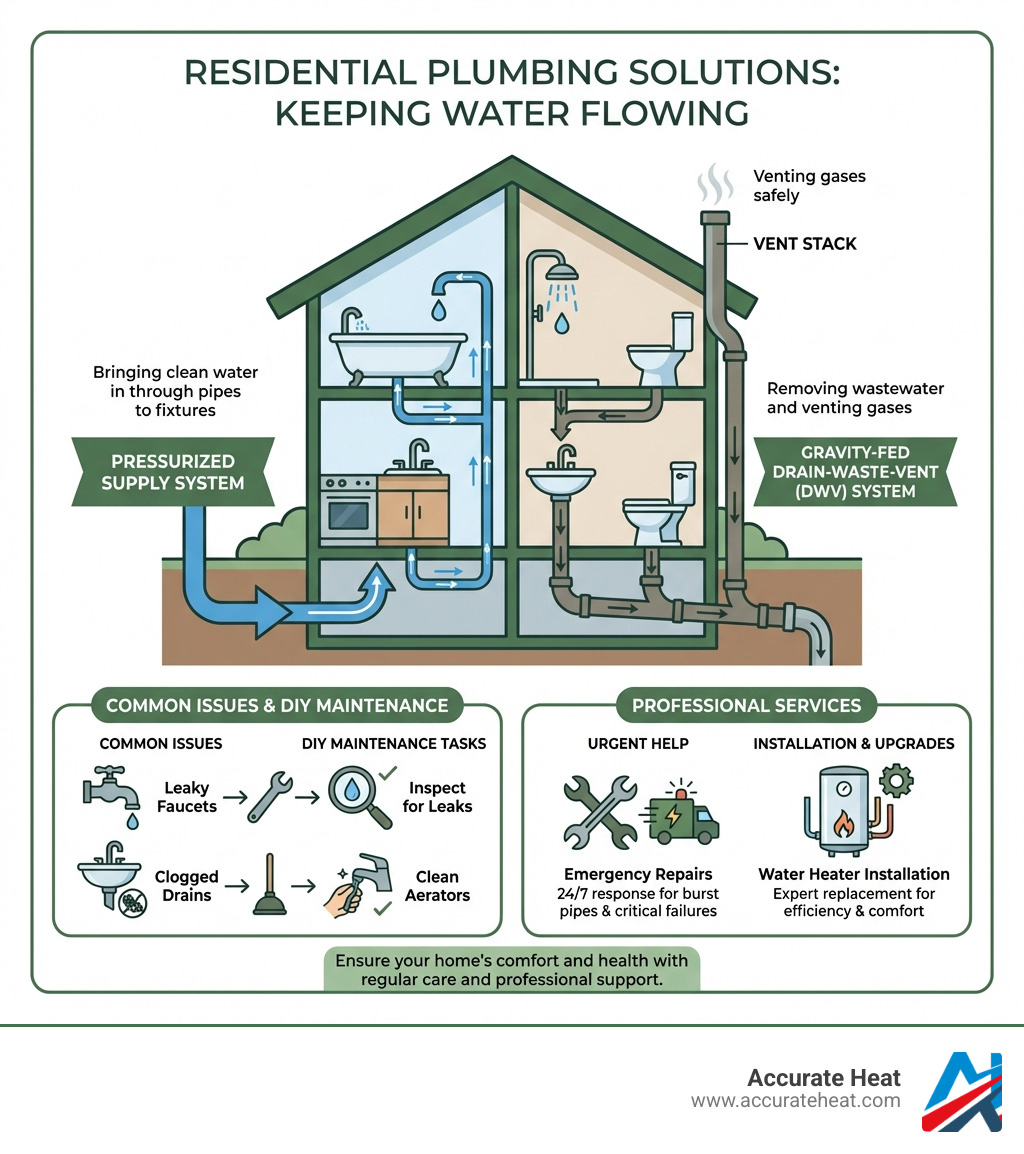
- Supply System: Brings clean water into your home under pressure through pipes to fixtures
- Drain-Waste-Vent (DWV) System: Removes wastewater using gravity and vents gases safely outside
- Common Fixes: Repairing leaks, unclogging drains, replacing worn fixtures, upgrading water heaters
- Preventative Maintenance: Inspecting for leaks, testing valves, flushing water heaters, winterizing pipes
- Professional Services: Emergency repairs, repiping, sewer line work, water filtration installation
Your plumbing system is one of the most critical parts of your home, yet it’s often completely ignored until something goes wrong. A single leaky faucet can waste up to 100 gallons of water per day, and a running toilet can waste 200 gallons daily. These aren’t just annoying problems—they’re expensive ones that add up fast on your water bill.
Here in Massachusetts, where winter temperatures can freeze exposed pipes and cause them to burst, understanding your plumbing system isn’t just smart—it’s essential. Whether you’re dealing with low water pressure, discolored water, or mysterious damp spots on your ceiling, knowing the basics of residential plumbing solutions helps you catch problems early and make informed decisions about repairs.
This guide breaks down everything you need to know about your home’s plumbing, from how the system actually works to when you should tackle a fix yourself versus when to call a professional. We’ll cover common problems, preventative maintenance you can do yourself, and the warning signs that signal it’s time for an upgrade or replacement.
Understanding Your Home’s Plumbing Anatomy
Our homes in Massachusetts rely on a sophisticated, yet often unseen, network of pipes and fixtures to deliver clean water and efficiently remove wastewater. Understanding the basic structure of your residential plumbing solutions is the first step to becoming a more informed homeowner.
The Two Core Systems: Supply and Drain
At its heart, your home’s plumbing operates through two distinct, yet interconnected, systems:
- The Water Supply System: This is the “fresh water in” side. Whether your water comes from a municipal source or a private well, it enters your home under pressure. A main water line brings cold water into your house. From there, it branches off: some goes directly to fixtures that need cold water (like toilets and outdoor spigots), while another line feeds into your water heater. The heater then sends hot water through a separate network of pipes to fixtures like showers, sinks, and washing machines. Both hot and cold water systems rely on pressure to push water where it’s needed.
- The Drain-Waste-Vent (DWV) System: This is the “wastewater out” side. Unlike the supply system, the DWV system relies primarily on gravity. Drain pipes collect used water and waste from all your fixtures and appliances, channeling it away from your home to either a municipal sewer system or a septic tank. To ensure smooth and efficient drainage, and to prevent unpleasant and dangerous sewer gases from entering your home, the DWV system includes vent stacks. These pipes extend through your roof, allowing air to enter the system. Think of it like a to-go coffee cup: without a small air hole, the liquid struggles to flow out smoothly. Similarly, your plumbing needs to “breathe” through its vents to prevent a vacuum that could siphon water out of your traps.
Key to preventing sewer gases are P-traps (or S-traps in older homes), those U-shaped pipes you see under sinks. They hold a small amount of water, creating a seal that blocks gases from rising into your living space. Proper venting ensures this water seal remains intact. For a deeper dive into these systems, check out our guide on Home Plumbing System 101: The Complete Homeowner’s Guide.
Key Components You Should Know
Knowing where these crucial elements are located and what they do can save you a lot of headache (and potential water damage!) in an emergency.
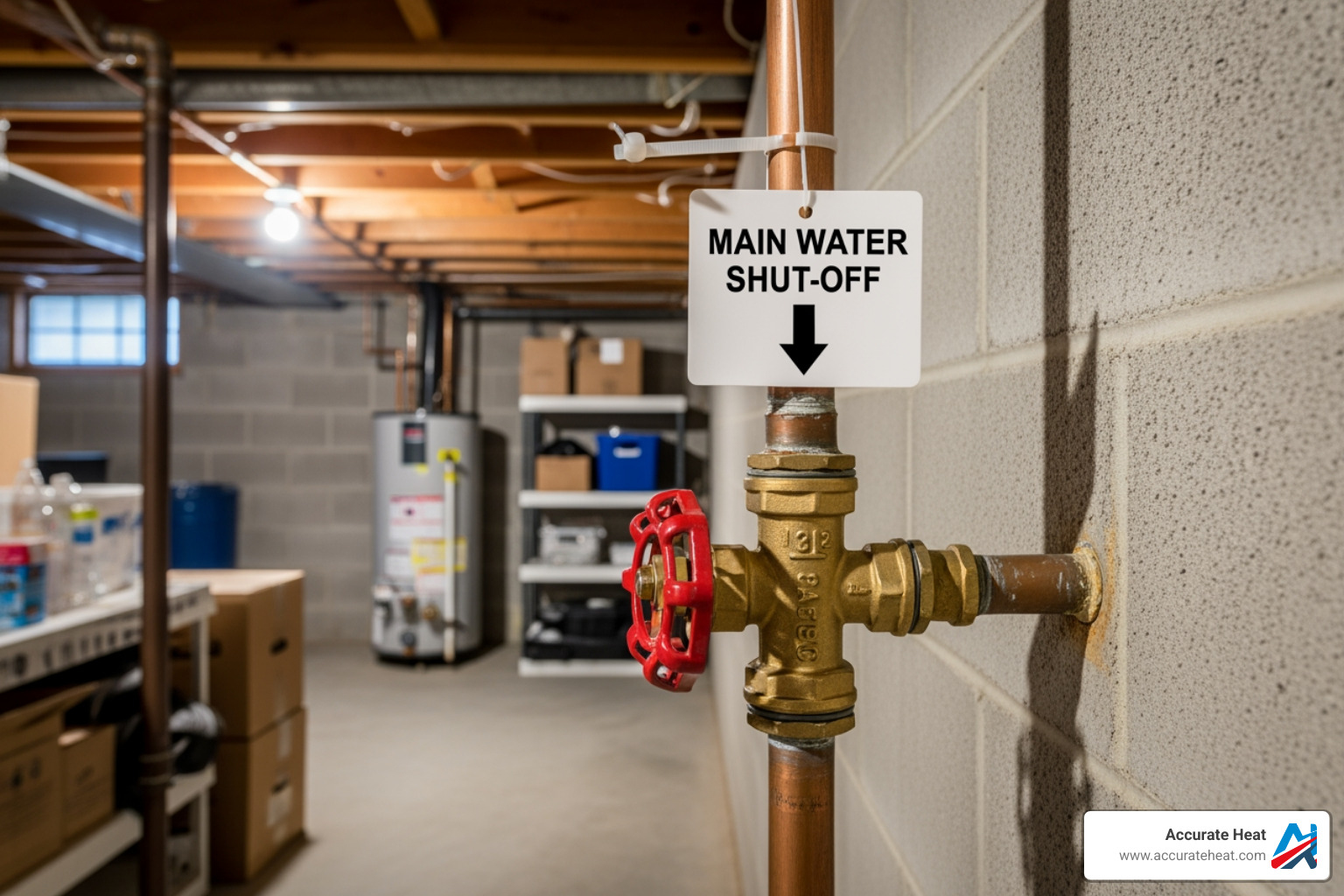
- Water Main: This is the primary pipe bringing water into your home. Knowing its path is crucial for any homeowner.
- Main Shut-Off Valve: This valve controls the water flow for your entire home. It’s often found in your basement, utility room, or outdoors in warmer climates (though less common in our Massachusetts homes). In an emergency, knowing how to quickly turn this off is paramount. We recommend testing it annually to ensure it’s not seized.
- Water Heater: This essential appliance ensures you have a reliable supply of hot water for bathing, cleaning, and cooking.
- Pipes: The arteries of your plumbing system, pipes deliver water and remove waste. Common materials include copper (durable, long-lasting), PEX (flexible, cost-effective, resistant to freezing), and PVC (often used for drainage).
- Fixtures: These are the visible parts of your plumbing system—sinks, toilets, showers, bathtubs, dishwashers, and washing machines. We offer comprehensive services for Kitchen & Bathroom Plumbing Services.
- P-traps: As mentioned, these U-shaped pipes under sinks and other fixtures hold water to block sewer gases.
Common Plumbing Problems and How to Tackle Them
Even with the best residential plumbing solutions, problems can arise. Recognizing the signs and understanding your options can save you time, money, and stress.
Top 5 Issues Homeowners Face
Here in Massachusetts, we frequently encounter a handful of plumbing issues that homeowners regularly report:
- Leaky Faucets: That incessant drip, drip, drip isn’t just annoying; it’s wasteful. A single leaky faucet can waste up to 100 gallons of water per day! Often, the culprit is a worn-out washer or O-ring, a relatively simple fix.
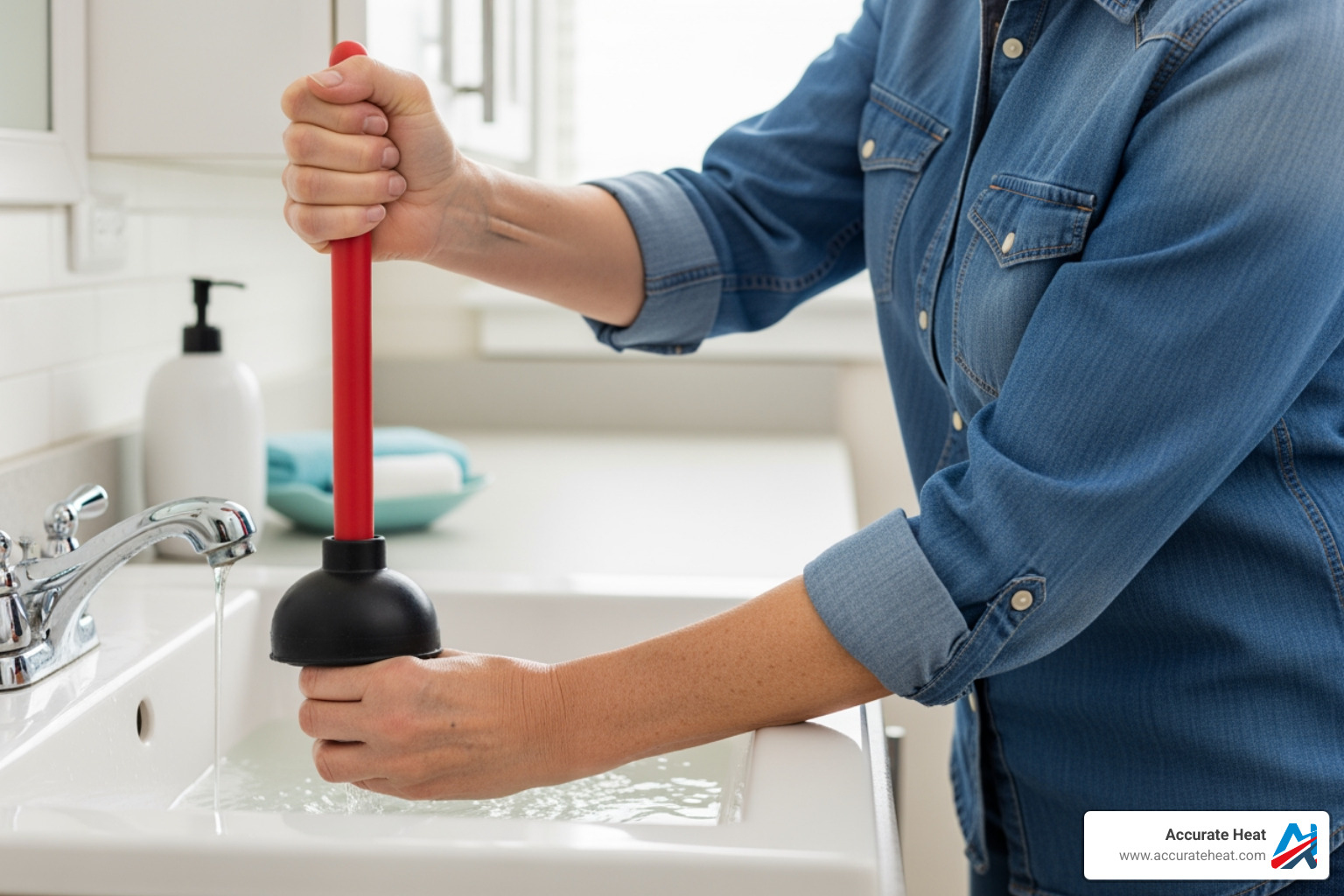
- Clogged Drains: From slow-draining sinks to completely blocked showers, clogs are a common headache. Hair, soap scum, grease, and food debris are the usual suspects.
- Running Toilets: A toilet that constantly runs can waste up to 200 gallons of water per day, significantly increasing your water bill. This is typically due to a faulty flapper valve or an incorrectly set float.
- Low Water Pressure: Is your shower feeling more like a drizzle than a deluge? Low water pressure can be caused by various factors, including high demand (everyone showering at once!), faulty fixtures, a broken pressure regulator, closed valves, pipe blockages, or even corroded pipes.
- Water Heater Problems: Nothing is worse than a cold shower on a chilly Massachusetts morning! Common water heater issues include insufficient hot water, discolored water, strange noises, or leaks, often due to sediment buildup or a failing heating element.
DIY Fixes vs. When to Call a Professional
It’s tempting to try to fix every plumbing problem yourself, and for some minor issues, it’s absolutely doable! However, knowing your limits is a key part of smart homeownership. Attempting complex repairs without the proper tools or expertise can turn a small problem into a costly disaster.
Here’s a quick guide to help you decide:
| Safe DIY Fixes | When to Call a Professional “`
Residential Plumbing Solutions
Understanding Your Home’s Plumbing Anatomy
Our homes in Massachusetts rely on a sophisticated, yet often unseen, network of pipes and fixtures to deliver clean water and efficiently remove wastewater. Understanding the basic structure of your residential plumbing solutions is the first step to becoming a more informed homeowner.
The Two Core Systems: Supply and Drain
At its heart, your home’s plumbing operates through two distinct, yet interconnected, systems:
- The Water Supply System: This is the “fresh water in” side. Whether your water comes from a municipal source or a private well, it enters your home under pressure. A main water line brings cold water into your house. From there, it branches off: some goes directly to fixtures that need cold water (like toilets and outdoor spigots), while another line feeds into your water heater. The heater then sends hot water through a separate network of pipes to fixtures like showers, sinks, and washing machines. Both hot and cold water systems rely on pressure to push water where it’s needed.
- The Drain-Waste-Vent (DWV) System: This is the “wastewater out” side. Unlike the supply system, the DWV system relies primarily on gravity. Drain pipes collect used water and waste from all your fixtures and appliances, channeling it away from your home to either a municipal sewer system or a septic tank. To ensure smooth and efficient drainage, and to prevent unpleasant and dangerous sewer gases from entering your home, the DWV system includes vent stacks. These pipes extend through your roof, allowing air to enter the system. Think of it like a to-go coffee cup: without a small air hole, the liquid struggles to flow out smoothly. Similarly, your plumbing needs to “breathe” through its vents to prevent a vacuum that could siphon water out of your traps.
Key to preventing sewer gases are P-traps (or S-traps in older homes), those U-shaped pipes you see under sinks. They hold a small amount of water, creating a seal that blocks gases from rising into your living space. Proper venting ensures this water seal remains intact. For a deeper dive into these systems, check out our guide on Home Plumbing System 101: The Complete Homeowner’s Guide.
Key Components You Should Know
Knowing where these crucial elements are located and what they do can save you a lot of headache (and potential water damage!) in an emergency.
- Water Main: This is the primary pipe bringing water into your home. Knowing its path is crucial for any homeowner.
- Main Shut-Off Valve: This valve controls the water flow for your entire home. It’s often found in your basement, utility room, or outdoors in warmer climates (though less common in our Massachusetts homes). In an emergency, knowing how to quickly turn this off is paramount. We recommend testing it annually to ensure it’s not seized.
- Water Heater: This essential appliance ensures you have a reliable supply of hot water for bathing, cleaning, and cooking.
- Pipes: The arteries of your plumbing system, pipes deliver water and remove waste. Common materials include copper (durable, long-lasting), PEX (flexible, cost-effective, resistant to freezing), and PVC (often used for drainage).
- Fixtures: These are the visible parts of your plumbing system—sinks, toilets, showers, bathtubs, dishwashers, and washing machines. We offer comprehensive services for Kitchen & Bathroom Plumbing Services.
- P-traps: As mentioned, these U-shaped pipes under sinks and other fixtures hold water to block sewer gases.
Common Plumbing Problems and How to Tackle Them
Even with the best residential plumbing solutions, problems can arise. Recognizing the signs and understanding your options can save you time, money, and stress.
Top 5 Issues Homeowners Face
Here in Massachusetts, we frequently encounter a handful of plumbing issues that homeowners regularly report:
- Leaky Faucets: That incessant drip, drip, drip isn’t just annoying; it’s wasteful. A single leaky faucet can waste up to 100 gallons of water per day! Often, the culprit is a worn-out washer or O-ring, a relatively simple fix.
- Clogged Drains: From slow-draining sinks to completely blocked showers, clogs are a common headache. Hair, soap scum, grease, and food debris are the usual suspects.
- Running Toilets: A toilet that constantly runs can waste up to 200 gallons of water per day, significantly increasing your water bill. This is typically due to a faulty flapper valve or an incorrectly set float.
- Low Water Pressure: Is your shower feeling more like a drizzle than a deluge? Low water pressure can be caused by various factors, including high demand (everyone showering at once!), faulty fixtures, a broken pressure regulator, closed valves, pipe blockages, or even corroded pipes.
- Water Heater Problems: Nothing is worse than a cold shower on a chilly Massachusetts morning! Common water heater issues include insufficient hot water, discolored water, strange noises, or leaks, often due to sediment buildup or a failing heating element.
DIY Fixes vs. When to Call a Professional
It’s tempting to try to fix every plumbing problem yourself, and for some minor issues, it’s absolutely doable! However, knowing your limits is a key part of smart homeownership. Attempting complex repairs without the proper tools or expertise can turn a small problem into a costly disaster.
Here’s a quick guide to help you decide:
| Safe DIY Fixes “`
Understanding Your Home’s Plumbing Anatomy
Our homes in Massachusetts rely on a sophisticated, yet often unseen, network of pipes and fixtures to deliver clean water and efficiently remove wastewater. Understanding the basic structure of your residential plumbing solutions is the first step to becoming a more informed homeowner.
The Two Core Systems: Supply and Drain
At its heart, your home’s plumbing operates through two distinct, yet interconnected, systems:
- The Water Supply System: This is the “fresh water in” side. Whether your water comes from a municipal source or a private well, it enters your home under pressure. A main water line brings cold water into your house. From there, it branches off: some goes directly to fixtures that need cold water (like toilets and outdoor spigots), while another line feeds into your water heater. The heater then sends hot water through a separate network of pipes to fixtures like showers, sinks, and washing machines. Both hot and cold water systems rely on pressure to push water where it’s needed.
- The Drain-Waste-Vent (DWV) System: This is the “wastewater out” side. Unlike the supply system, the DWV system relies primarily on gravity. Drain pipes collect used water and waste from all your fixtures and appliances, channeling it away from your home to either a municipal sewer system or a septic tank. To ensure smooth and efficient drainage, and to prevent unpleasant and dangerous sewer gases from entering your home, the DWV system includes vent stacks. These pipes extend through your roof, allowing air to enter the system. Think of it like a to-go coffee cup: without a small air hole, the liquid struggles to flow out smoothly. Similarly, your plumbing needs to “breathe” through its vents to prevent a vacuum that could siphon water out of your traps.
Key to preventing sewer gases are P-traps (or S-traps in older homes), those U-shaped pipes you see under sinks. They hold a small amount of water, creating a seal that blocks gases from rising into your living space. Proper venting ensures this water seal remains intact. For a deeper dive into these systems, check out our guide on Home Plumbing System 101: The Complete Homeowner’s Guide.
Key Components You Should Know
Knowing where these crucial elements are located and what they do can save you a lot of headache (and potential water damage!) in an emergency.
- Water Main: This is the primary pipe bringing water into your home. Knowing its path is crucial for any homeowner.
- Main Shut-Off Valve: This valve controls the water flow for your entire home. It’s often found in your basement, utility room, or outdoors in warmer climates (though less common in our Massachusetts homes). In an emergency, knowing how to quickly turn this off is paramount. We recommend testing it annually to ensure it’s not seized.
- Water Heater: This essential appliance ensures you have a reliable supply of hot water for bathing, cleaning, and cooking.
- Pipes: The arteries of your plumbing system, pipes deliver water and remove waste. Common materials include copper (durable, long-lasting), PEX (flexible, cost-effective, resistant to freezing), and PVC (often used for drainage).
- Fixtures: These are the visible parts of your plumbing system—sinks, toilets, showers, bathtubs, dishwashers, and washing machines. We offer comprehensive services for Kitchen & Bathroom Plumbing Services.
- P-traps: As mentioned, these U-shaped pipes under sinks and other fixtures hold water to block sewer gases.
Common Plumbing Problems and How to Tackle Them
Even with the best residential plumbing solutions, problems can arise. Recognizing the signs and understanding your options can save you time, money, and stress.
Top 5 Issues Homeowners Face
Here in Massachusetts, we frequently encounter a handful of plumbing issues that homeowners regularly report:
- Leaky Faucets: That incessant drip, drip, drip isn’t just annoying; it’s wasteful. A single leaky faucet can waste up to 100 gallons of water per day! Often, the culprit is a worn-out washer or O-ring, a relatively simple fix.
- Clogged Drains: From slow-draining sinks to completely blocked showers, clogs are a common headache. Hair, soap scum, grease, and food debris are the usual suspects. Chemical drain cleaners are not recommended as they can corrode piping and increase the risk of leaks, so we advise against using them.
- Running Toilets: A toilet that constantly runs can waste up to 200 gallons of water per day, significantly increasing your water bill. This is typically due to a faulty flapper valve or an incorrectly set float. You can test for a leak by adding food coloring to the tank and checking the bowl after 20-30 minutes for color.
- Low Water Pressure: Is your shower feeling more like a drizzle than a deluge? Low water pressure can be caused by various factors, including high demand (everyone showering at once!), faulty fixtures, a broken pressure regulator, closed valves, pipe blockages, or even corroded pipes.
- Water Heater Problems: Nothing is worse than a cold shower on a chilly Massachusetts morning! Common water heater issues include insufficient hot water, discolored water, strange noises, or leaks, often due to sediment buildup or a failing heating element. If you’re constantly running out of hot water, your heater might be too small for your needs, or it could have a faulty heating element (for electric) or insufficient gas supply (for gas).
DIY Fixes vs. When to Call a Professional
It’s tempting to try to fix every plumbing problem yourself, and for some minor issues, it’s absolutely doable! However, knowing your limits is a key part of smart homeownership. Attempting complex repairs without the proper tools or expertise can turn a small problem into a costly disaster.
Here’s a quick guide to help you decide:
| Safe DIY Fixes “`