
Why Indoor Air Quality Matters More Than You Think
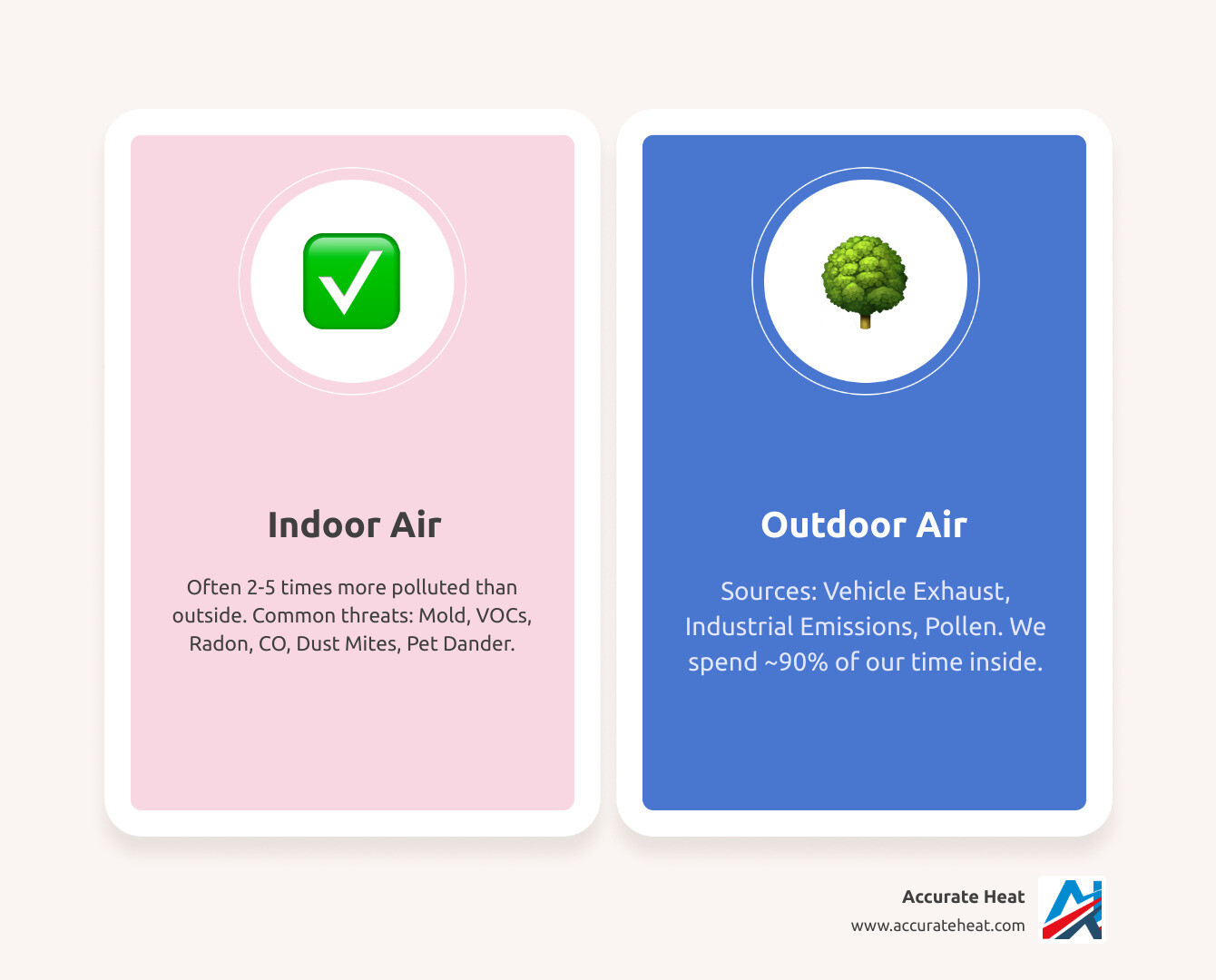
Indoor air quality (IAQ) refers to the condition of the air inside your home and how it affects your health, comfort, and well-being. Most people worry about outdoor pollution, but the air you breathe inside can actually be 2 to 5 times more polluted than the air outside—and that’s where you spend about 90% of your time.
Key Facts About Indoor Air Quality:
- Health Impact: Poor IAQ causes headaches, fatigue, respiratory problems, and can worsen asthma
- Common Pollutants: Mold, dust mites, carbon monoxide, radon, VOCs from cleaning products, and combustion gases
- Vulnerable Groups: Children, older adults, and people with existing health conditions are most at risk
- Simple Solutions: Proper ventilation, source control, and air filtration can dramatically improve your home’s air
We tend to think of air pollution as something we face outside, but the reality is different. Your home may harbor invisible threats from cooking, cleaning products, building materials, pets, and even the ground beneath your foundation. In Massachusetts, where homes are sealed tight against harsh winters, these pollutants can build up to dangerous levels.
The good news? Once you understand what’s affecting your indoor air, you can take concrete steps to fix it. Whether you’re experiencing unexplained symptoms or just want to create a healthier home for your family, improving your indoor air quality is one of the most important investments you can make.
The Invisible Threats: Common Indoor Air Pollutants
Our homes are meant to be sanctuaries, but they can also be sources of various pollutants that compromise our indoor air quality. These pollutants often come from everyday activities, building materials, and even natural sources, making them tricky to identify without proper knowledge. Let’s explore the common culprits we might encounter in our Massachusetts homes.
Biological Contaminants
Biological contaminants are living organisms or their byproducts that can thrive in our indoor environments, especially in our often-humid Massachusetts climate.
- Mold and Mildew: These fungi love damp, warm places. If materials stay wet for more than 24 hours, mold can begin to grow, often emitting a musty odor. Mold spores can trigger allergies and asthma symptoms. The key to mold control is moisture control. If you have water damage in your home, it is essential to dry affected areas within 24-48 hours to prevent mold growth. You can find more on mold remediation from the EPA.
- Dust Mites: These microscopic creatures feed on dead skin cells and thrive in bedding, carpets, and upholstered furniture. Their waste products are common allergens.
- Pet Dander: Flakes of skin, fur, or feathers from pets can become airborne and trigger allergic reactions or asthma.
- Bacteria and Viruses: These microorganisms can spread through the air, especially in poorly ventilated spaces. For example, past outbreaks of respiratory illnesses have highlighted how viruses can spread through building ventilation systems. Proper ventilation is crucial to reduce the spread of respiratory infections.
Dampness and Humidity: Managing indoor humidity is vital for controlling biological contaminants. We aim to keep indoor humidity between 30-50% to inhibit mold growth and reduce dust mite populations. Excess humidity can also contribute to the growth of bacteria and viruses.
Chemical Pollutants
Many products we use daily, from cleaning supplies to furniture, can release chemical pollutants into our homes.
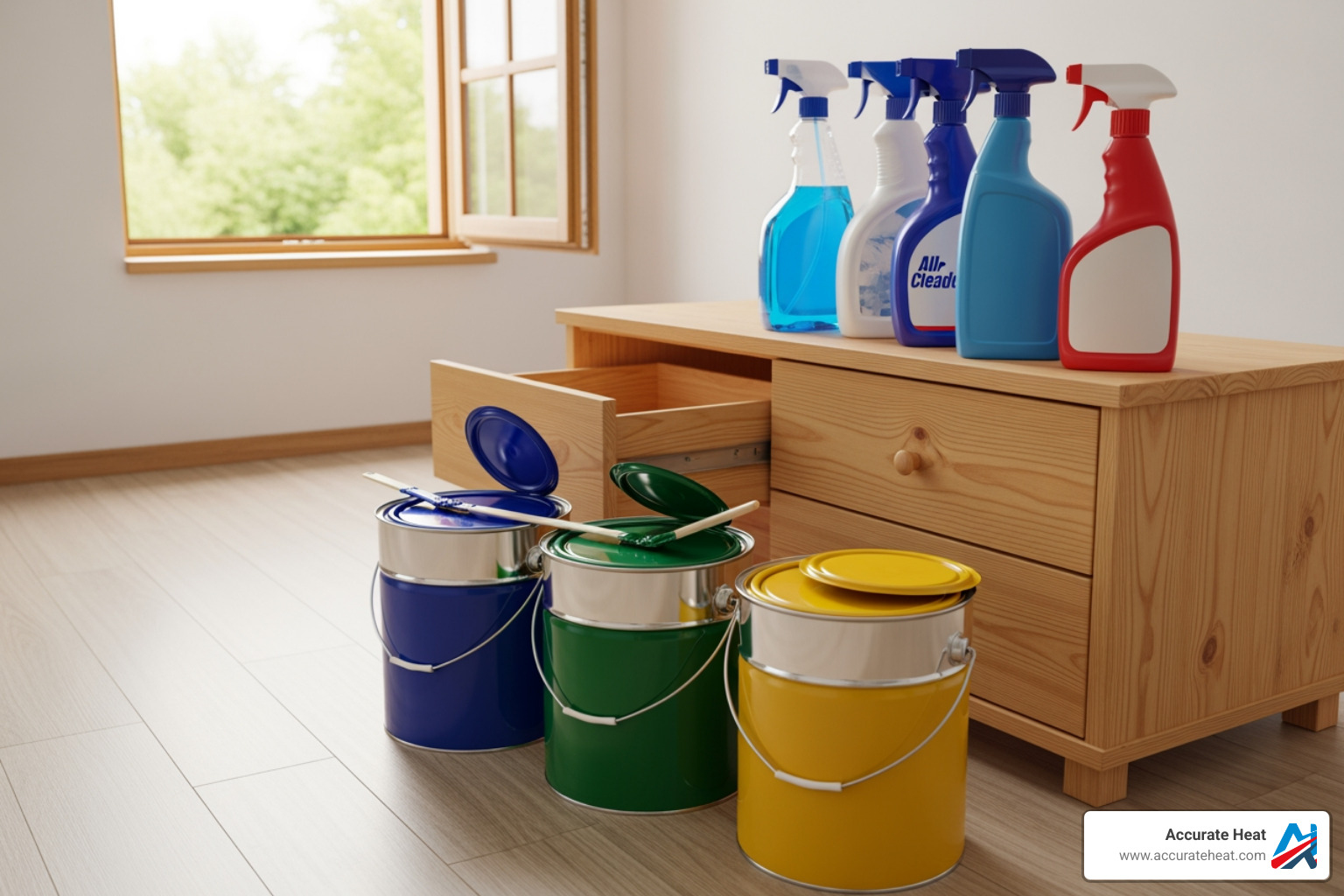
- Volatile Organic Compounds (VOCs): These are gases emitted from certain solids or liquids. VOCs include a variety of chemicals, some of which may have short- and long-term adverse health effects. Sources include paints, varnishes, cleaning supplies, air fresheners, building materials, and even new furniture. Indoor concentrations of VOCs can be up to ten times higher than outdoors. The EPA provides a guide on VOCs’ impact.
- Formaldehyde: A strong-smelling chemical found in some pressed wood furniture, cabinets, flooring, carpets, and fabrics. It is also a component of some glues and paints. Formaldehyde is known to be a human carcinogen.
- Secondhand Smoke: Contains over 7000 chemicals, hundreds of which are harmful to health. It significantly increases the risk of lung cancer and respiratory diseases, especially in children.
- Asbestos: A fibrous material formerly used in building materials like roof shingles, siding, and insulation before 1975. Disturbing asbestos-containing materials can release tiny fibers into the air, leading to lung cancer, mesothelioma, and asbestosis over long exposure times.
- Pesticides: Chemicals used to control pests can linger in the air or on surfaces after application, posing health risks.
- Cleaning Products: Many conventional cleaning products contain VOCs and other irritating chemicals. Choosing “green” or low-VOC alternatives can help, but even these can sometimes react with other indoor chemicals to form new compounds.
Combustion Pollutants
These pollutants are released when fuels are burned, often from appliances we rely on for heating and cooking.
- Carbon Monoxide (CO): An odorless, colorless, and toxic gas produced by fuel-burning appliances like furnaces, gas ranges, fireplaces, and water heaters if they are faulty, incorrectly installed, or poorly maintained. Liftd CO levels can cause headaches, dizziness, nausea, and even be lethal. The WHO recommends indoor CO exposure levels not exceed 4 mg/m³ over 24 hours.
- Nitrogen Dioxide (NO2): Also produced by fuel-burning appliances, especially gas stoves. It can irritate the respiratory tract and worsen asthma.
- Particulate Matter (PM2.5): Tiny airborne particles that can be inhaled deeply into the lungs. Sources include cooking (especially frying or broiling), burning candles, fireplaces, and tobacco smoke. PM2.5 can contribute to respiratory and cardiovascular problems.
Radon: The Silent Intruder
Radon is a naturally occurring radioactive gas that is colorless, odorless, and tasteless, making it impossible to detect without specialized testing.
- Radioactive gas: Radon comes from the natural decay of uranium in soil and rock.
- Soil and rock: It enters homes through cracks in foundations, walls, and floors, as well as through gaps around pipes and wires. Because our homes in Massachusetts are often tightly sealed, radon can accumulate to dangerous levels.
- Enters through cracks: Once inside, it can build up, becoming a significant health hazard.
- Leading cause of lung cancer in non-smokers: The U.S. EPA estimates radon is responsible for about 21,000 U.S. deaths from lung cancer annually, making it the second leading cause of lung cancer overall.
- EPA action level (4 pCi/L): The EPA recommends fixing homes with radon levels at or above 4 pCi/L. We strongly advise all homeowners in Massachusetts to test for radon, as levels can vary significantly even within the same neighborhood.
The Health Cost of Poor Indoor Air Quality
The air we breathe indoors has a profound impact on our health, often in ways we don’t immediately recognize. From subtle discomforts to severe chronic diseases, poor indoor air quality carries a significant health cost.
Immediate and Chronic Health Effects
Exposure to indoor air pollutants can lead to a range of health issues, some of which appear quickly, while others develop over years of exposure.
- Short-term effects: You might notice symptoms like headaches, dizziness, and fatigue. Irritation of the eyes, nose, and throat are also common, often mimicking cold or flu symptoms. These immediate effects can often be linked to specific activities or areas. For instance, office workers have reported impaired cognitive function, including response times and ability to focus, when indoor air quality is poor.
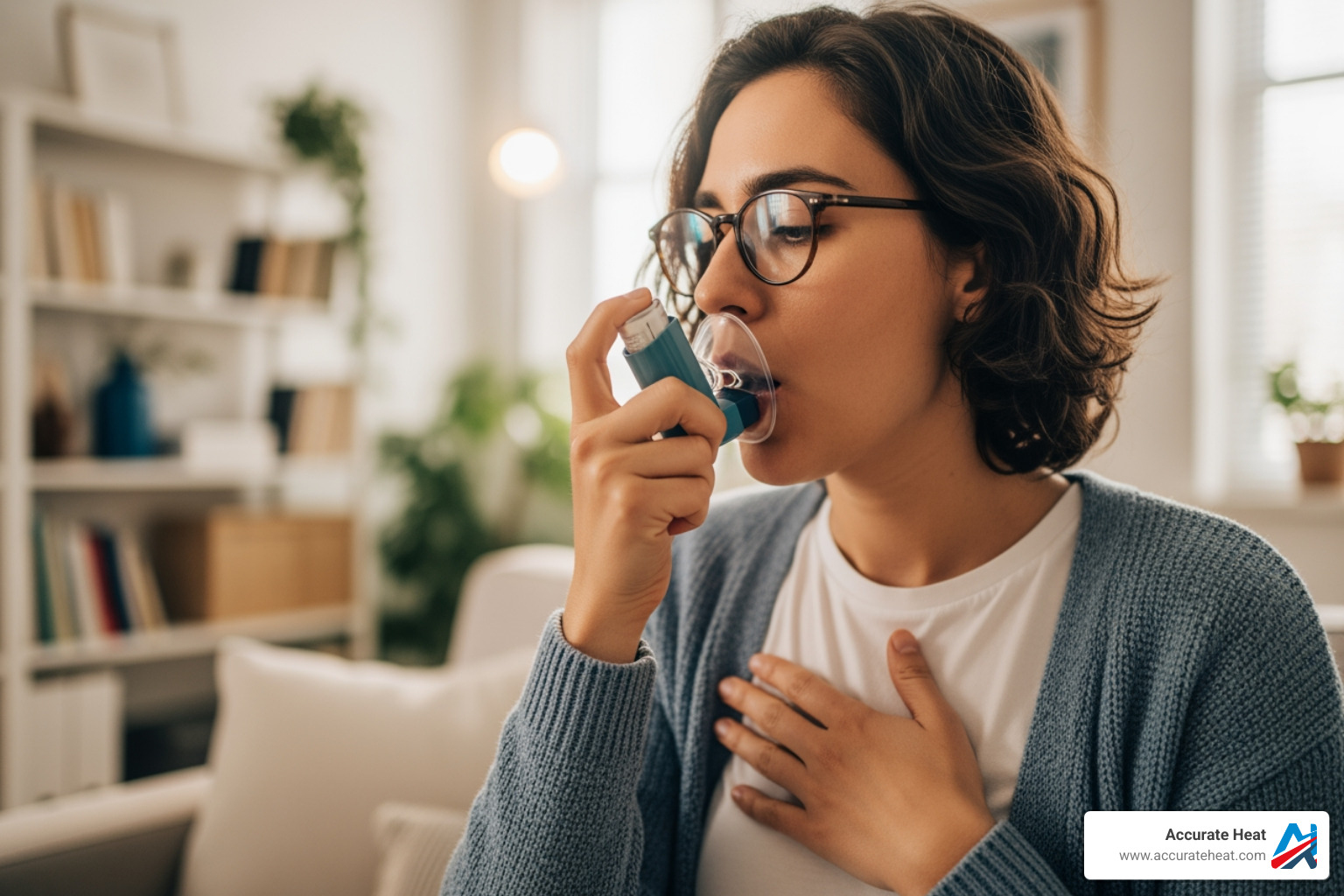
- Long-term effects: Chronic exposure can lead to more severe and debilitating conditions. These include respiratory diseases like asthma (which can be worsened by mold or allergens), heart disease, and various forms of cancer. For example, long-term exposure to radon, secondhand smoke, and asbestos significantly increases the chance of developing lung cancer. Globally, the World Health Organization (WHO) estimates that 3.2 million people die prematurely each year from illnesses attributed to indoor air pollution, largely from indoor cooking. Scientific research has consistently linked impaired health and performance in children and adults to indoor exposures to pollutants.
- Sick Building Syndrome (SBS): This term describes situations where building occupants experience acute health and comfort effects that appear to be linked to time spent in a building, but no specific illness or cause can be identified. Symptoms often include headaches, fatigue, and irritation.
Protecting Sensitive Populations
While poor indoor air quality affects everyone, certain groups are particularly vulnerable and experience more severe health impacts.
- Children: Children’s developing respiratory systems and higher breathing rates make them more susceptible to pollutants. Studies show that household air pollution exposure can affect lung development prenatally, increasing the risk of pneumonia in the first year of life. In inner-city schools, airborne mouse allergens have been linked to increased asthma symptoms and decreased lung function in asthmatic children. Fortunately, improvements in outdoor air quality policies have been associated with improved lung development in children.
- Older Adults: With potentially weaker immune systems and pre-existing conditions, older adults are more vulnerable to respiratory infections and other health issues triggered by indoor pollutants.
- Individuals with Chronic Illness: People with asthma, allergies, or cardiovascular conditions can experience exacerbated symptoms from even low levels of indoor air pollution. For example, those with sufficient vitamin D levels might experience fewer asthma symptoms when exposed to high indoor air pollution.
- Prenatal Development: Exposure to indoor air pollution during pregnancy can have lasting effects on infant health, including impaired lung function. Clean-burning interventions, like improved cookstoves, may be most effective when implemented before children are born to protect their developing lungs.
A Practical Guide to Improving Your Home’s Air
Improving indoor air quality in your Massachusetts home might seem daunting, but it boils down to three core strategies: controlling pollutants at their source, enhancing ventilation, and using effective air cleaning solutions. We’ll walk you through how to implement these steps for a healthier living environment.
The Power of Ventilation for Better Indoor Air Quality
Ventilation is the process of bringing fresh outdoor air into your home and expelling stale indoor air. It’s fundamental to diluting pollutants and removing them from your living space.
- Natural Ventilation: The simplest method is opening windows and doors. While effective, this isn’t always practical, especially during allergy season or harsh Massachusetts winters. However, even opening windows for a short period once a week can help reduce high levels of carbon dioxide.
- Mechanical Ventilation: This involves using fans and duct systems to actively move air. Bathroom and kitchen exhaust fans that vent outdoors are excellent examples. They remove moisture, odors, and pollutants directly from their source.
- HVAC Systems: Your heating, ventilation, and air conditioning (HVAC) system plays a crucial role. Proper design and maintenance ensure adequate air exchange. Heat Recovery Ventilators (HRVs) and Energy Recovery Ventilators (ERVs) are advanced systems that bring in fresh air while minimizing energy loss, ideal for our New England climate. HRVs transfer heat from outgoing air to incoming fresh air, while ERVs also manage humidity, providing protection against bacteria, mold, and viruses.
- NIOSH ventilation standards: The National Institute for Occupational Safety and Health (NIOSH) considers indoor carbon dioxide concentrations exceeding 1000 ppm a marker suggesting inadequate ventilation. We can use CO2 levels as a general indicator of how well a space is ventilated.
Source Control and Pollutant Removal
The most effective way to improve indoor air quality is to eliminate or reduce the sources of pollution.
- Use low-VOC products: When painting, cleaning, or buying new furniture, opt for products labeled “low-VOC” or “no-VOC.” This reduces the chemical off-gassing into your home.
- Regular cleaning and dusting: Frequent cleaning, especially vacuuming with a HEPA-filtered vacuum, can significantly reduce dust mites, pet dander, and other particulate matter. Pay extra attention to carpets, flooring, and fabrics.
- Proper appliance maintenance: Ensure your fuel-burning appliances (furnaces, water heaters, gas stoves, fireplaces) are professionally installed, regularly inspected, and properly vented. This prevents dangerous pollutants like carbon monoxide and nitrogen dioxide from accumulating.
- Control humidity: As we discussed, keeping indoor humidity between 30-50% is crucial to prevent mold and dust mites. Humidifiers and dehumidifiers can help achieve this balance.
- Store chemicals properly: Keep household chemicals, paints, and pesticides in tightly sealed containers and in well-ventilated areas, away from living spaces. Never mix household cleaners unless directed.
- Eliminate smoking indoors: This is one of the most impactful steps you can take to improve indoor air quality, drastically reducing exposure to thousands of harmful chemicals.
Air Cleaning and Filtration Solutions
Even with good ventilation and source control, air cleaning can provide an extra layer of protection, especially for those with allergies or respiratory sensitivities.
- HEPA filters: High-Efficiency Particulate Air (HEPA) filters can capture 99.97% of airborne particles 0.3 microns or larger, including dust mites, pet dander, pollen, and mold spores.
- Air purifiers: Portable air purifiers with HEPA filters and activated carbon can effectively remove a range of pollutants, from particulates to VOCs.
- HVAC filter upgrades: Upgrading your HVAC system’s filter to a higher MERV (Minimum Efficiency Reporting Value) rating can significantly improve its ability to capture smaller particles. However, ensure your HVAC system can handle a higher MERV filter without compromising airflow. We recommend changing your HVAC filters at least twice a year, or even more frequently if you have severe allergies or asthma.
- UV Lights: Ultraviolet (UV) lights can be installed within your HVAC system’s ductwork. Direct exposure to UV light has been proven to inactivate bacteria, viruses, and mold spores as they pass through the system, providing cleaner air.
- For more detailed information on maintaining your home’s air, you can refer to HVAC management from the CDC.
Understanding and Monitoring Your Air
Knowledge is power when it comes to indoor air quality. Understanding what’s in your air and how to interpret air quality information empowers you to make informed decisions for your home and family.
Decoding the U.S. Air Quality Index (AQI)
While the U.S. Air Quality Index (AQI) is primarily designed for reporting outdoor air quality, understanding it is crucial because outdoor air pollutants can infiltrate our homes, particularly in areas like Franklin, Norfolk, or Medway where outdoor conditions can fluctuate.
- Purpose of AQI: The AQI is the EPA’s index for reporting air quality, acting as a tool for communicating about outdoor air quality and health.
- Color-coded categories: The AQI uses six color-coded categories, each corresponding to a range of index values, making it easy to understand the level of health concern.
- Health advisories: Each category comes with specific health advisories, helping you decide when to take precautions, such as keeping windows closed or running indoor air purifiers.
Table: U.S. Air Quality Index (AQI) Levels
| AQI Value | Category (Color) | Health Message |
|---|---|---|
| 0-50 | Good (Green) | Air quality is satisfactory, and air pollution poses little or no risk. |
| 51-100 | Moderate (Yellow) | Air quality is acceptable; however, some pollutants may pose a moderate health concern for a very small number of people who are unusually sensitive to air pollution. |
| 101-150 | Unhealthy for Sensitive Groups (Orange) | Members of sensitive groups may experience health effects. The general public is less likely to be affected. |
| 151-200 | Unhealthy (Red) | Everyone may begin to experience health effects; members of sensitive groups may experience more serious health effects. |
| 201-300 | Very Unhealthy (Purple) | Health alert: everyone may experience more serious health effects. |
| 301-500 | Hazardous (Maroon) | Health warnings of emergency conditions. The entire population is more likely to be affected. |
You can find a comprehensive EPA guide to AQI basics for more details.
Regulations and Standards for Indoor Air Quality
While there isn’t a single comprehensive federal standard for indoor air quality in residential buildings, several organizations provide important guidance and regulations for specific pollutants or building types.
- EPA guidance: The U.S. Environmental Protection Agency (EPA) provides extensive information and recommendations for homeowners and building managers on various indoor air pollutants and mitigation strategies. They offer programs like “IAQ Tools for Schools” to improve indoor air quality in educational settings.
- OSHA standards for workplaces: The Occupational Safety and Health Administration (OSHA) enforces workplace safety, including regulations that impact indoor air quality in commercial and public buildings. While OSHA doesn’t have a specific IAQ standard, it enforces ventilation and contaminant standards under its General Duty Clause, which requires employers to provide a workplace free from recognized hazards.
- State-specific regulations: Some states, like New Jersey, have specific indoor air quality standards. While Massachusetts doesn’t have a singular comprehensive residential IAQ standard, local regulations often cover specific aspects like radon, mold, or ventilation in certain building types.
- ASHRAE standards: The American Society of Heating, Refrigerating and Air-Conditioning Engineers (ASHRAE) develops consensus standards for many aspects of the HVAC industry, including ventilation rates and acceptable indoor air quality. These standards are often adopted or referenced in building codes and regulations. You can learn about ASHRAE ventilation standards.
How Climate Change Impacts Indoor Air
Climate change isn’t just an outdoor phenomenon; its effects are increasingly felt within our homes, significantly impacting indoor air quality. In Massachusetts, we are already experiencing shifts that make understanding this connection more critical than ever.
The Connection Between Outdoor and Indoor Environments
Our indoor and outdoor environments are inextricably linked. Changes in the outdoor climate directly influence the air we breathe inside.
- Wildfire smoke: As climate change contributes to more frequent and intense wildfires in other regions, smoke plumes can travel long distances, reaching our communities in Massachusetts. Wildfire smoke contains fine particulate matter (PM2.5) and other harmful gases. When this smoke infiltrates our homes, it can significantly degrade indoor air quality, causing respiratory irritation and exacerbating conditions like asthma.
- Ground-level ozone: Warmer temperatures and increased sunlight, characteristic of heatwaves, can lead to higher concentrations of ground-level ozone. This outdoor pollutant can also seep indoors, reacting with indoor chemicals and materials to form new, potentially more toxic compounds.
- Pollen and allergens: Climate change can alter growing seasons and increase pollen production, leading to higher outdoor allergen levels. For allergy sufferers in our area, this means a greater need to keep windows closed, which can inadvertently trap other indoor pollutants if ventilation is not managed.
- Extreme temperatures: More frequent heatwaves mean increased reliance on air conditioning. While AC can filter some outdoor pollutants, poorly maintained systems can become sources of mold or bacteria. Conversely, tighter, more energy-efficient homes, built to combat extreme temperatures, can also trap pollutants indoors if not adequately ventilated.
- Increased use of air conditioning: While beneficial for thermal comfort, prolonged use with closed windows can lead to reduced fresh air exchange, allowing indoor pollutants to accumulate.
- Increased humidity: Warmer temperatures can also lead to higher humidity. When combined with increased precipitation, this can lift indoor moisture levels, creating ideal conditions for mold growth in homes, especially in basements or other damp areas common in older Massachusetts homes.
Research clearly shows the impact of climate change on IAQ, highlighting that these changes can lead to higher concentrations of pollutants and increased exposure for building occupants.
Conclusion
The journey to understanding and improving indoor air quality reveals an unseen world within our homes—a world that profoundly impacts our health, comfort, and well-being. We’ve explored the common culprits, from biological invaders like mold to chemical off-gassers and silent threats like radon. We’ve also seen the significant health costs associated with poor indoor air quality, particularly for sensitive populations like children and the elderly.
The good news is that we are not powerless against these invisible threats. By implementing strategies like robust ventilation, proactive source control, and advanced air cleaning and filtration, we can transform our homes into healthier sanctuaries. Regular monitoring and understanding resources like the U.S. Air Quality Index further empower us to make informed decisions.
At Accurate Heat, we believe that everyone deserves to breathe clean, healthy air in their home. We are dedicated to providing expert HVAC and plumbing services throughout Franklin and Massachusetts, ensuring your home comfort systems contribute positively to your indoor air quality. Taking proactive steps today means investing in a healthier tomorrow for you and your loved ones.
Learn more about our indoor air quality solutions and let us help you breathe easier.