
Why Finding the Right Local HVAC Service Matters
When you search for home hvac near me, you’re likely facing a pressing issue like a broken furnace in winter or a failing AC in summer. You need a qualified local professional who can service your heating and cooling system quickly and reliably.
Quick Answer: What to Look for in Local HVAC Services
- Licensing and Insurance: Verify the company is properly licensed and insured in Massachusetts.
- NATE Certification: Look for technicians certified by North American Technician Excellence.
- Emergency Availability: Ensure they offer 24/7 service for urgent breakdowns.
- Clear Pricing: Request written estimates before work begins.
- Customer Reviews: Check BBB ratings and online testimonials.
- Service Guarantees: Ask about warranties on parts and labor.
The average Massachusetts homeowner spends between $4,000 and $11,000 on HVAC installation for a system expected to last 15-20 years. This is a significant investment in your family’s comfort. While regular maintenance costs around $100 per tune-up, it can prevent costly emergency repairs that average $275 or more.
Your HVAC system is what keeps your family comfortable during brutal New England winters and humid summers. It also affects your indoor air quality, utility bills, and home’s resale value.
This guide walks you through understanding system types, recognizing warning signs, budgeting for service, and finding a trustworthy local expert. Whether you have an emergency, are planning an upgrade, or want to improve efficiency, you’ll find clear, actionable information here.
Understanding Your HVAC System: From Furnaces to Heat Pumps
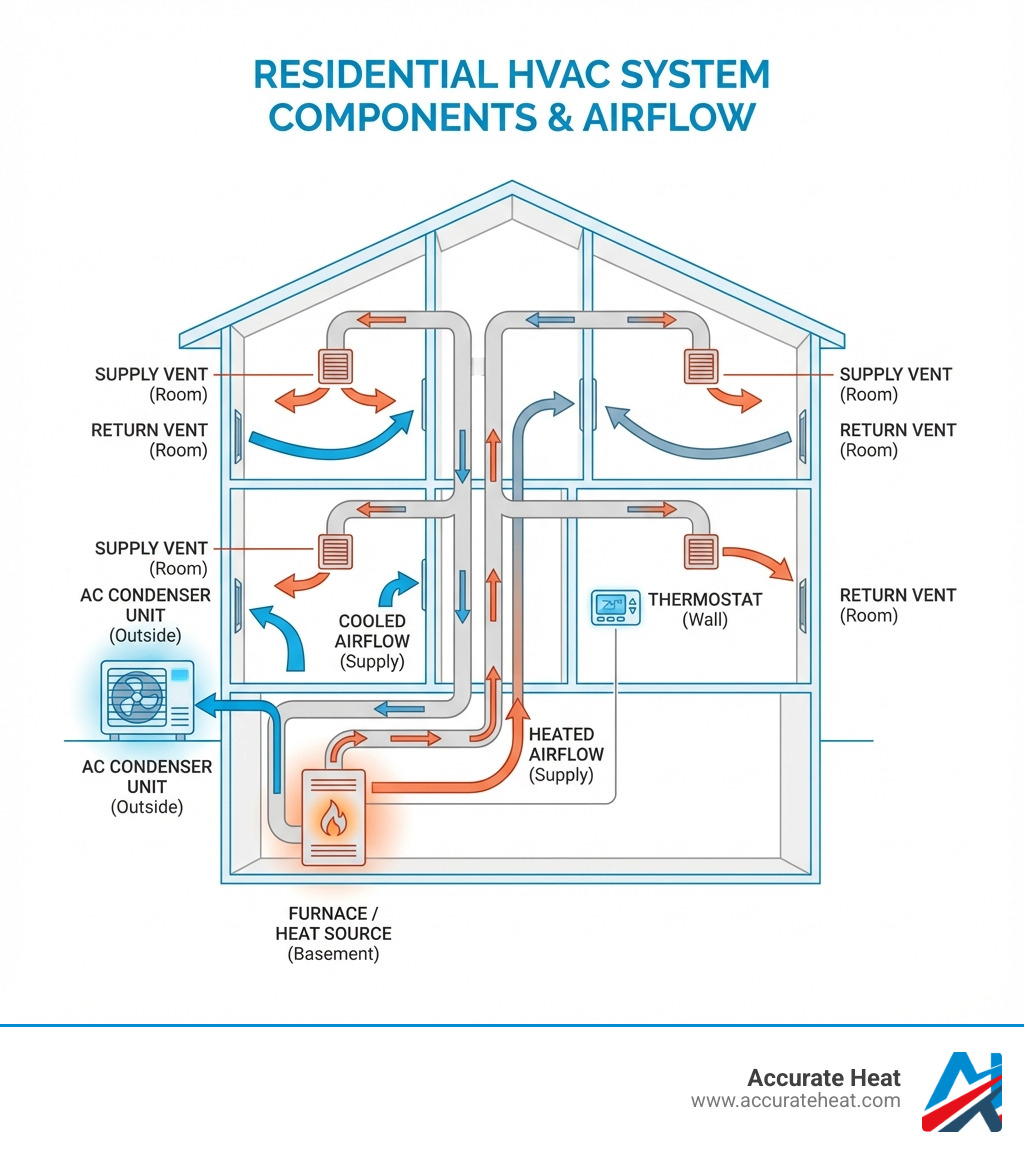
Your home’s HVAC system is a complex network that keeps your indoor environment comfortable. Understanding the core components and modern alternatives helps you make informed choices for your Massachusetts home.
The Core Components: Furnace, Air Conditioner, and Heat Pump
Most residential HVAC setups use a combination of these essential units.

Furnaces: Designed for heating, furnaces generate warmth by burning fuel (natural gas, oil) or using electricity, distributing it through ducts. They are a common choice for providing robust heat in cold climates like Massachusetts.
Air Conditioners (ACs): These systems cool your home by removing heat and humidity from indoor air and releasing it outside. ACs are essential for battling humid Massachusetts summers.
Heat Pumps: A heat pump can both heat and cool your home by moving heat. In summer, it moves heat out, and in winter, it reverses the process, extracting heat from the outdoor air and moving it inside. This makes them very energy-efficient. For a deeper dive, explore our guide: Heat Pump Systems Explained – Is It The Right Choice For You?.
Many homes use a split system (separate indoor and outdoor units) or packaged units (all components in one outdoor cabinet). The best setup depends on your home’s space, climate, and needs.
The Modern Alternative: Ductless Mini-Splits
For homes without ductwork, additions, or areas needing independent temperature control, ductless mini-split systems are a flexible, efficient solution. They consist of an outdoor unit connected to one or more indoor units, requiring only a small hole in the wall.
Each indoor unit provides zoned heating and cooling, allowing you to heat or cool only the rooms you’re using, saving energy. They are ideal for:
- Older homes: Provides modern comfort without invasive ductwork installation.
- Home additions: Offers dedicated heating and cooling without extending your existing system.
- Targeted comfort: Balances temperatures in rooms that are too hot or cold.
Learn more about these systems in our resource: Ductless Mini Split AC Systems.
Understanding Energy Efficiency Ratings
Energy efficiency ratings are critical for understanding a system’s impact on your utility bills. Key ratings include:
SEER (Seasonal Energy Efficiency Ratio): Measures cooling efficiency for ACs and heat pumps. A higher SEER means greater efficiency and lower summer electricity bills. Learn more with our guide on SEER Ratings.
AFUE (Annual Fuel Utilization Efficiency): Measures how efficiently a furnace converts fuel to heat. An AFUE of 90% means 90% of your fuel costs go toward heating your home. Higher ratings mean less wasted energy.
HSPF (Heating Seasonal Performance Factor): Measures the heating efficiency of a heat pump. A higher HSPF indicates greater efficiency and lower electricity use for heating.
Choosing an Energy Star certified product ensures it meets strict EPA efficiency guidelines, saving you money and reducing your carbon footprint. Upgrading can save 20% or more on annual energy costs.
Repair or Replace? A Homeowner’s Guide to HVAC Lifespan and Maintenance
Knowing whether to repair or replace your HVAC system can be tricky. Understanding the warning signs, the value of maintenance, and your system’s typical lifespan will help you make the best decision for your Massachusetts home.
Telltale Signs Your HVAC System is in Trouble
Your HVAC system usually provides clues when it needs attention. Ignoring these signs can lead to bigger, more expensive problems. Look out for:
- Strange Noises: Banging, squealing, or grinding can indicate loose parts, motor issues, or refrigerant leaks.
- Unusual Smells: A burning odor may signal an electrical issue, while a musty smell could mean mold. A rotten egg smell from a gas furnace requires immediate attention for a potential gas leak.
- Weak Airflow: If air from your vents is weak, it could be a blocked duct, a failing blower motor, or coil issues.
- Inconsistent Temperatures: Hot and cold spots suggest your system isn’t distributing air effectively.
- High Humidity: If your home feels clammy even when the AC is running, the system isn’t dehumidifying properly.
- Frequent Cycling: A system that constantly turns on and off (short-cycling) is working too hard, wasting energy and causing premature wear.
If you notice these symptoms, your system needs professional attention. Learn more about recognizing when to replace your system here: Signs Your HVAC System Needs Replacement – Don’t Wait for Breakdown.
The Value of Regular HVAC Maintenance
Regular check-ups are essential for efficiency and preventing breakdowns. Skipping maintenance often leads to more expensive problems later.

The benefits of regular maintenance include:
- System Longevity: Tune-ups help your system reach or exceed its 15-20 year average lifespan.
- Improved Efficiency: A well-maintained system uses less energy, lowering your utility bills.
- Lower Repair Costs: Catching small problems early prevents costly emergency repairs.
- Better Air Quality: Cleaning components reduces dust, allergens, and mold for healthier air.
- Safety Checks: For gas furnaces, safety checks are crucial to prevent hazards like carbon monoxide leaks.
We recommend servicing your system twice a year: heating in the fall and cooling in the spring. Find more benefits here: Benefits of Regular HVAC Maintenance.
Extending Your System’s Lifespan
The average HVAC system lasts 15-20 years, but proactive care can extend this. To maximize your investment:
- Regular Filter Changes: A dirty filter restricts airflow and forces your system to work harder. Check filters monthly and change them every 1-3 months.
- Keeping Units Clear of Debris: Ensure your outdoor unit is free from leaves, grass, and dirt for proper airflow.
- Professional Tune-Ups: Annual maintenance is invaluable. Technicians clean coils, check refrigerant, inspect connections, and lubricate parts.
- Ductwork Inspection: Leaky or dirty ducts compromise efficiency. Regular inspections and cleaning prevent your system from overworking.
These practices help your system run effectively for years. For more tips, see: How to Maintain Your Heating System Regularly and Keep It Working Effectively.
The Financials of Home Comfort: Costs, Credits, and Smart Savings
Understanding the financial aspects of your HVAC system is crucial for budgeting and making smart decisions. Knowing what to expect for installation, maintenance, and savings opportunities can help you plan effectively.
Budgeting for HVAC: Installation, Repair, and Maintenance Costs
Here’s a breakdown of average costs in Massachusetts:
Installation: A new HVAC installation averages $7,500, typically ranging from $4,000 to $11,000. Costs vary based on system type and size, brand, and installation complexity (e.g., needing new ductwork).
Repair: The average HVAC repair is about $275. Minor fixes are less, while major component failures cost more. Always get a written estimate before work begins.
Maintenance: An HVAC tune-up costs around $100. This small investment prevents costly repairs and extends your system’s life.
We provide transparent pricing and detailed estimates. For more on our installation services, visit: HVAC Install Services.
Choosing the Right System for Your Home
Selecting the right HVAC system for Massachusetts’ diverse homes and climate requires careful consideration:
System Sizing (Load Calculation): This is critical. A system must be precisely sized to your home’s square footage, insulation, and layout. An improperly sized unit is inefficient and wears out faster. Proper sizing ensures optimal performance, as detailed in our guide: HVAC System Size.
Climate Considerations: Your system must handle both frigid winters and humid summers. Heat pumps are an increasingly popular, energy-efficient choice for our climate.
Home Size and Insulation: Larger or multi-story homes may benefit from zoned systems. Good insulation reduces the load on your HVAC system, improving efficiency.
Existing Ductwork: If your home has functional ductwork, a traditional system may be best. If not, a ductless mini-split is a less invasive, efficient alternative.
Open uping Savings: Rebates, Tax Credits, and Smart Thermostats
You can save money on a new HVAC system through government programs and smart technology.
Government Rebates and Tax Credits: Massachusetts programs like Mass Save offer significant rebates for installing high-efficiency heat pumps, furnaces, and air conditioners. Federal tax credits may also be available. We can help you steer these programs. For details on Mass Save, check out: Mass Save – $10,000 Rebate? Not So Fast – There Are Qualifications.
Smart Thermostats: These devices learn your preferences and can be controlled remotely, optimizing your heating and cooling schedule. A smart thermostat can reduce your annual energy consumption by 20% or more. Accept the future of home comfort with: Smart Thermostats – The Future of Heating Control.
Combining efficient equipment with rebates and smart tech can significantly lower both upfront costs and long-term utility bills.
How to Find the Best “Home HVAC Near Me” and Improve Air Quality
When searching for “home hvac near me” in Massachusetts, you need a trusted partner for your home’s comfort and health. This means finding a qualified contractor and understanding how your HVAC system can improve indoor air quality.
What to Look for in a Qualified Home HVAC Near Me Company
Choosing the right HVAC professional is as important as the equipment itself. A reliable contractor ensures proper installation, repairs, and honest advice. Here’s a checklist:
- Licensing and Insurance: Verify the company is licensed in Massachusetts and fully insured to protect you from liability.
- NATE Certification: Technicians certified by North American Technician Excellence (NATE) meet a high standard of industry knowledge.
- Experience and Reputation: Look for companies with a long history in your community. Check online reviews and ratings from the Better Business Bureau (BBB). You can research providers here: Find reliable companies on the BBB.
- Written Estimates: A reputable company provides a detailed, written estimate outlining all costs before work begins.
- Warranty and Guarantees: Ask about warranties on parts and labor, which show confidence in their work.
- Emergency Services: Ensure the provider offers 24/7 emergency service for extreme weather situations.
When contacting a provider, ask about their experience, licensing, and emergency response time. For more guidance, see our article: Tips for Selecting the Best Local HVAC Contractor.
Improving Your Home’s Air Quality with HVAC Solutions
Your HVAC system is crucial for maintaining healthy indoor air quality (IAQ) by filtering out pollutants like dust, pollen, and mold. Your system can be equipped with:
- High-MERV Filters: Upgrading to a filter with a higher MERV rating (e.g., MERV 11-13) can capture more airborne particles. Ensure your system can handle the filter.
- Humidifiers and Dehumidifiers: Whole-home humidifiers combat dry winter air, while dehumidifiers reduce summer humidity and prevent mold growth.
- UV Germicidal Lights: Installed in your system, UV-C lights neutralize airborne bacteria, viruses, and mold spores.
- Duct Cleaning: Professional cleaning removes accumulated dust and debris from your ductwork, improving air quality.
Integrating these solutions helps your HVAC system actively purify your indoor air. Learn more at: Indoor Air Quality.
What to Know About Your Home’s Ductwork
Your ductwork distributes conditioned air. If it’s not working correctly, it causes discomfort and high energy bills. Signs of ductwork problems include:
- Inconsistent room temperatures
- Unusually high energy bills (leaky ducts can lose up to 30% of conditioned air)
- Poor airflow from vents
- A dusty home despite regular cleaning
- Musty or stale odors from vents
Professional duct cleaning is recommended every 1-5 years. However, repairing significant leaks is the priority to improve efficiency and comfort. Addressing duct issues is especially important for allergy sufferers. Learn how to prepare for allergy season: Preparing for Spring with Clean HVAC Ducts to Tackle Allergy Season.
Frequently Asked Questions About Home HVAC Services
Here are straightforward answers to common HVAC questions we receive from Massachusetts homeowners.
How often should I have my HVAC system serviced?
We recommend servicing your HVAC system twice a year: a heating system tune-up in the fall and a cooling system tune-up in the spring. This pre-season maintenance ensures your system is ready for Massachusetts’ extreme weather, helps prevent breakdowns, maintains efficiency, and extends its lifespan. It’s a small investment that prevents costly emergency repairs.
What are the most common signs I need to call for home hvac near me?
You should call a professional home hvac near me service if your system:
- Won’t turn on.
- Is blowing air that’s the wrong temperature.
- Is making loud or unusual noises (grinding, squealing, banging).
- Is leaking water or refrigerant.
- Is emitting foul or burning odors.
- Causes a sudden spike in your energy bills.
- Cycles on and off too frequently (short-cycling).
These signs indicate a problem that needs expert diagnosis. Ignoring them can lead to more expensive damage. For more insights, review our guide on Common Home Cooling System Issues.
Can a new, high-efficiency HVAC system be installed in an older home?
Yes. Older homes in Massachusetts can greatly benefit from new, high-efficiency HVAC systems. Modern technology offers flexible solutions for unique challenges like a lack of existing ductwork.
For homes without ducts, ductless mini-split systems are an excellent, minimally invasive option that provides zoned heating and cooling. We can also install modern central systems using existing ductwork. Our professional assessment ensures the right solution is chosen to respect your home’s structure while upgrading its comfort. Learn more about options for your home here: HVAC Services in Franklin, MA – Modern and Ductless.
Conclusion: Your Next Step to a Comfortable Home
Navigating home HVAC can seem daunting, but with the right knowledge and a trusted partner, you can ensure your home remains a haven of comfort year-round. Understanding your HVAC system, recognizing problems early, and choosing the right professional are the keys to maintaining an efficient and healthy home.
For reliable, expert solutions and 24/7 emergency service in Franklin and throughout Massachusetts, trust the experienced team at Accurate Heat. We are dedicated to providing the highest quality HVAC and plumbing services, ensuring your family’s comfort and peace of mind.