
As we move towards a more sustainable future, homeowners are looking for ways to reduce their carbon footprint and energy consumption. One area where significant changes can be made is in the home heating system. Energy-efficient heating solutions not only help save the environment but also save money on utility bills. In this blog, we will discuss different heating solutions that are perfect for a sustainable home. We will explore how each system works, its benefits, and its drawbacks. From traditional boiler and radiator systems to modern in-floor radiant heating systems, we have covered you with all the information you need to decide which heating solution would work best for your home.
Heating Solutions that Conserve Energy
Energy-efficient heating solutions are crucial for homeowners who want to reduce their carbon footprint and save money on energy bills. Geothermal heating systems use pipes buried in the ground to extract heat naturally stored in the earth and then distribute it via ducts or radiant floor heating. Solar heating systems harness the sun’s energy to provide warmth during colder months. Heat pumps are another option that can transfer heat from outside to inside your home during colder weather. By carefully considering factors such as climate, home size, and budget when selecting a system, homeowners can also ensure they make the best choice for their needs. Proper maintenance is necessary to optimize performance and efficiency.
What Are the Benefits of Energy-Efficient Heating Solutions?
The benefits of using energy-efficient heating solutions extend beyond just saving money. These solutions can also reduce your carbon footprint, improve the air quality in your home, and require less maintenance compared to traditional heating systems. Moreover, installing energy-efficient heating systems can increase the value of your home. Switching to such systems benefits you financially and contributes to a more sustainable future by reducing your environmental impact. With various options available in the market today, it’s easier than ever to switch to energy-efficient heating solutions and reap their numerous benefits.

Forced Air Heating Systems
Air systems are a perfect way for homeowners to experience comfortable indoor temperatures without compromising the environment. Warm air circulation is a fundamental aspect of these heating systems that utilize various fuel sources like natural gas and propane to power them up efficiently. You can upgrade your existing heater with high-efficiency models that help you save on energy bills in the long run while keeping the home warm and cozy. Besides this, you can install individual room heaters like baseboard units or radiant heaters for areas that need extra warmth.
How Do Forced Air Heating Systems Work?
Forced air heating systems pull cool air from a space and run it over a heat exchanger. This warmed air is then circulated back into the room via ducts and vents, with some systems featuring an air filter to enhance indoor air quality. Electricity, gas, or oil can power these systems alongside programmable thermostats for improved energy efficiency. Routine maintenance is critical to their effective operation.

In-Floor Radiant Heating Systems
In-Floor Radiant Heating Systems offer an even distribution of warmth and prove to be both cost-effective and energy-efficient in the long term. These systems can come in different forms, such as electric, hydronic, or solar heating systems that perform optimally with proper installation and maintenance. Compared with other heating solutions, such as baseboard heaters or central boilers, these systems use a network of ducts or plastic water tubing beneath concrete slab floors or at the bottom of wood floors to produce heat without involving moving parts.
What Is In-Floor Radiant Heating and How Does It Work?
In-floor radiant heating is a popular and energy-efficient way to heat a room. It involves the installation of pipes or electric heating elements beneath the floor, which radiate heat upwards. This type of heating system can be installed in new and existing homes and works with various types of flooring. Proper installation and insulation are essential for optimal efficiency, as any flaws in the installation process can lead to heat loss and increased energy consumption. Although the initial installation cost may be higher than traditional heating systems, the long-term savings on energy bills make it a worthwhile investment.
Traditional Boiler and Radiator Systems
Boiler and radiator systems are a common choice for home heating solutions. By circulating hot water or steam through ducts and pipes, these systems rely on radiators, baseboard heaters, or even in-floor radiant heating to distribute heat throughout individual rooms. However, these traditional heating solutions come with problems such as high energy bills due to inefficiency, regular maintenance for moving parts that can break down, and lack of eco-friendliness. Fortunately, other options, like solar heating systems and heat pumps, can help reduce costs while being mindful of the environment.
How Do Boiler and Radiator Systems Compare to Other Heating Solutions?
Boiler and radiator systems are a tried-and-true heating solution that has been around for years. They distribute hot water through radiators to provide consistent warmth, which can be more energy-efficient than forced air systems. However, they may require more maintenance and take longer to heat up. Consider your needs and budget when choosing a heating system.
Heat Pump Heating Systems
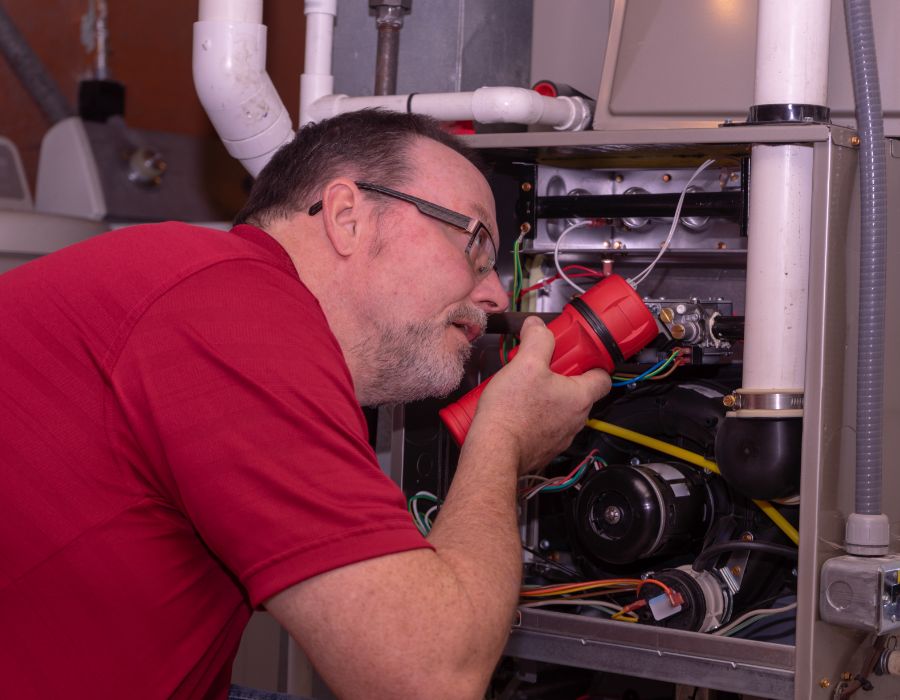
Heat pump heating systems are an energy-efficient and cost-effective solution for home heating. They can extract heat from sources like outdoor air or the ground, so they’re perfect for homes in colder regions. The primary advantage of a heat pump over other heating solutions is that it can also provide cooling during summers when temperatures are high. Different types of heat pumps are available in the market, like air-source and ground-source, that use electricity as an energy source instead of oil or gas furnaces. These systems are environmentally friendly alternatives to propane or natural gas furnaces that use fossil fuels. The ductless mini-split system is also gaining popularity due to its flexibility and easy installation.
What Is a Heat Pump and How Does It Work for Home Heating?
One of the most environmentally friendly heating systems available is the heat pump. This system extracts heat from the air, ground, or water and transfers it to warm your home. One of its significant advantages is its versatility, as it can also provide cooling during hot weather. By moving heat instead of generating it, the heat pump saves energy and reduces your carbon footprint, which results in lower energy bills. It is an excellent option for homeowners who want to save money and decrease their environmental impact.
Electric Resistance Heating Systems
Electric resistance heating systems are an energy-efficient option for homeowners exploring alternative heating solutions. These systems, which include baseboard heaters, radiant heaters, and electric furnaces, use electricity to warm individual rooms or entire houses. When choosing an electric heating system, it is essential to consider factors such as electricity costs and maintenance requirements while ensuring that your electrical wiring can handle the system’s power needs.
While these systems may have high installation costs, their energy efficiency makes them a popular choice for homeowners looking to reduce their carbon footprint and save on energy bills in the long run. Additionally, electric resistance heating systems do not produce any harmful emissions and provide a safer alternative to traditional heating systems that rely on fossil fuels. By switching to an electric heating system, homeowners can enjoy a warm and comfortable home without compromising environmental sustainability.
Conclusion
Lowering bills, improving air quality, and reducing carbon footprint are benefits of utilizing energy-efficient heating solutions. Although forced-air heating is prevalent in Massachusetts homes, Accurate Baker Elman offers various alternatives for you to consider. We specialize in customizing heating solutions suitable for your needs and budget. Radiant heat heats the floor and is ideal for any room size or shape. Geothermal heating is environmentally friendly as it utilizes natural heat from the ground to warm your home without fossil fuels. In addition, we offer ductless mini-split systems for households without existing ductwork, allowing you to maintain room temperature while conserving energy. Our team provides personalized heating solutions that are both cost-effective and efficient. Contact us today to learn more about our energy-saving options.