Is Your Heating System Failing?
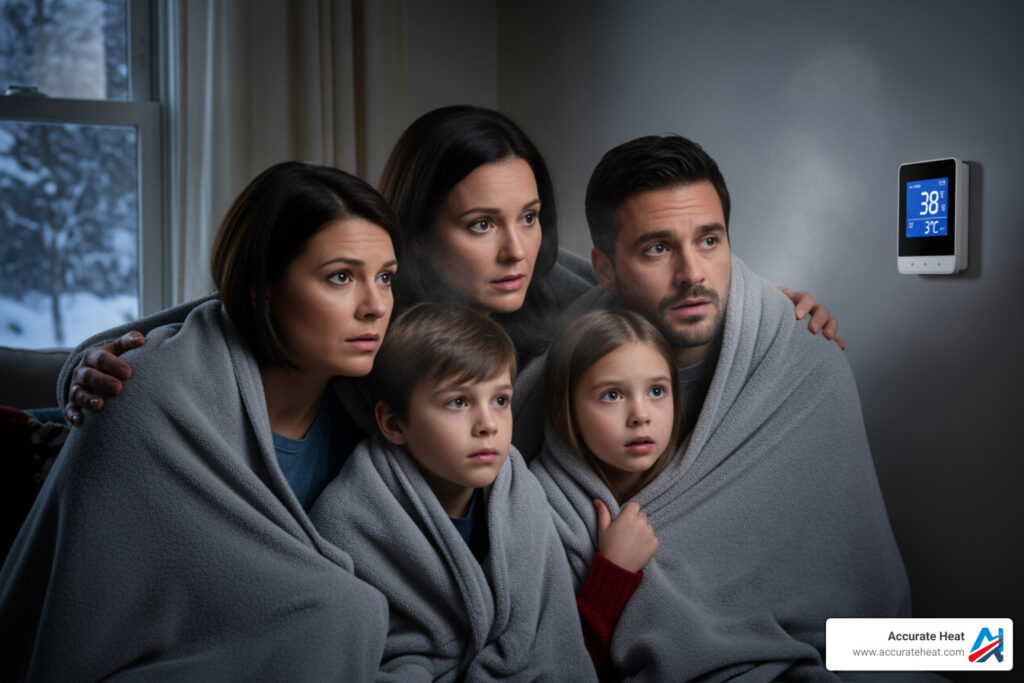
When you need to repair heating system components in your home, time is of the essence—especially during a Massachusetts winter. A malfunctioning heating system can leave your family shivering in the cold, drive up your energy bills, and even pose serious safety risks.
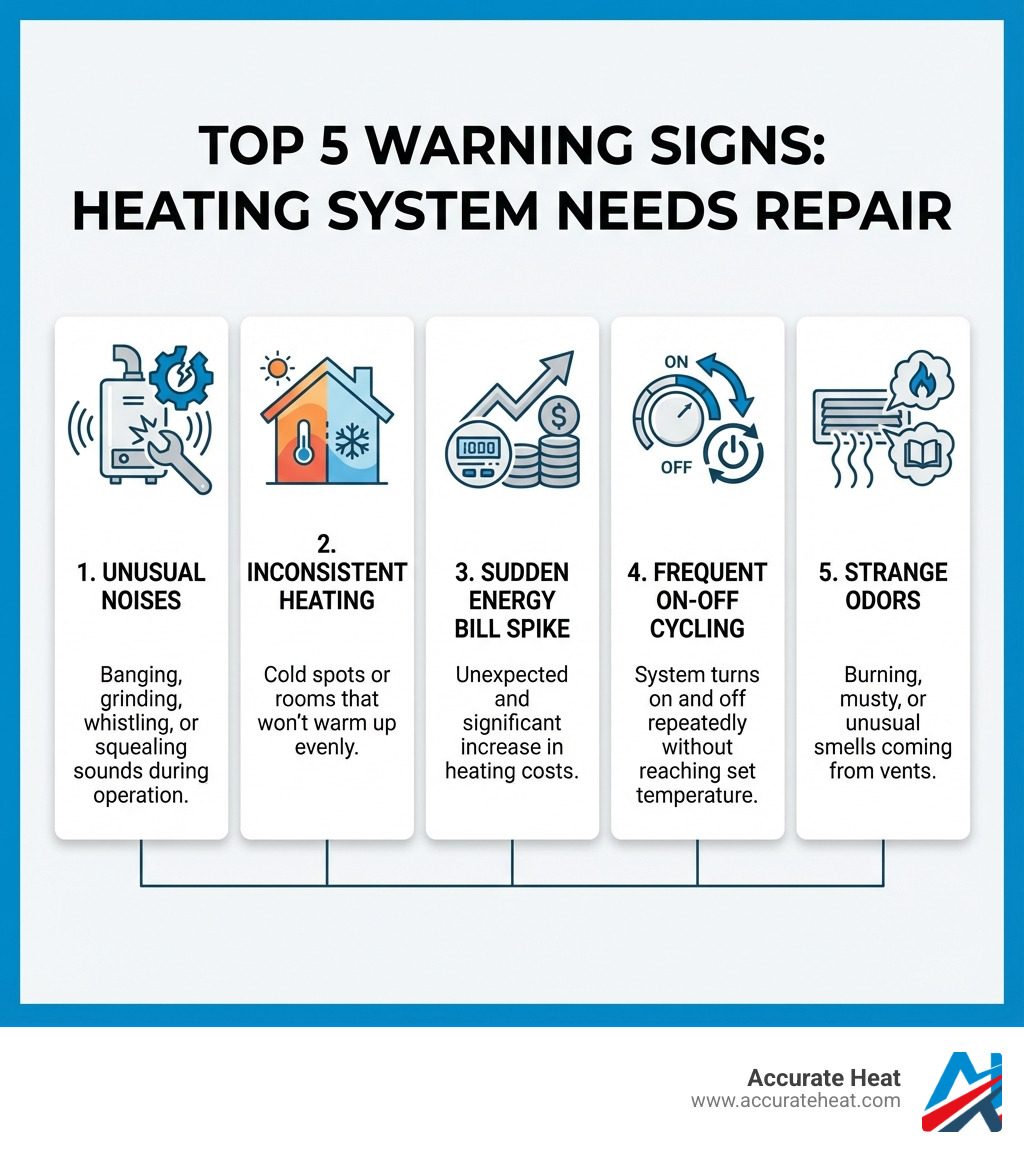
Quick Answer: Common signs your heating system needs repair include:
- Unusual noises – Banging, grinding, whistling, or squealing sounds
- Inconsistent heating – Cold spots or rooms that won’t warm up
- Rising energy bills – System working harder due to inefficiency
- Frequent cycling – System turning on and off repeatedly
- Strange smells – Burning, musty, or gas odors
- Poor air quality – Dust, debris, or difficulty breathing indoors
- Thermostat issues – Unresponsive controls or inaccurate readings
According to industry data, nearly half of the energy used in your home goes to heating and cooling. A failing system doesn’t just affect your comfort—it can cost you hundreds of dollars in wasted energy and potentially lead to a complete breakdown requiring expensive emergency repairs.
The good news? Many heating issues give you warning signs before they become catastrophic. Understanding these signals and knowing when to call a professional can save you money, keep your family safe, and ensure your home stays warm throughout the winter months.
Massachusetts residents also have access to various assistance programs for heating system repairs and replacements, including state programs, utility rebates, and financing options that can make necessary repairs more affordable.
Telltale Signs Your Heating System Needs Repair
When your heating system starts acting up on a chilly Franklin, MA evening, it’s more than an inconvenience—it’s a cry for help. Recognizing the common signs early can prevent a small issue from becoming a costly emergency.
Here are the key indicators that your heating system needs attention:
- Inconsistent Heating or Cold Spots: If some rooms are warm while others remain chilly, your system is struggling to distribute heat. This could be due to clogged filters, blocked vents, or blower motor issues.
- Rising Energy Bills: If your heating bills are creeping up without an increase in usage, your system is working harder than it should, indicating inefficiency or a developing problem.
- Frequent Cycling: A system that turns on and off too often (short cycling) is inefficient and wears out components prematurely. This can point to a clogged filter or a faulty thermostat.
- Poor Air Quality: Excessive dust, dry air, or unusual odors mean your system could be circulating allergens and pollutants, impacting your family’s health.
For a more detailed look, check our Signs Your Furnace Needs Repair Troubleshooting Guide.
How Unusual Noises and Smells Signal a Problem
When your system’s gentle hum turns into a strange noise or smell, it’s time to pay attention. These are direct ways your heating system communicates distress.
Unusual Noises:
- Banging or Clanging: Often indicates loose parts, ductwork issues, or ignition problems.
- Whistling or Hissing: Can signal a leaky duct, restricted airflow, or a boiler pressure issue.
- Grinding or Squealing: Typically points to worn motor bearings or a belt that needs replacement. Ignoring these can lead to motor failure.
Strange Smells:
- Burning Smell: A persistent burning smell (after the initial seasonal startup) could signal an electrical problem or an overheated component. Shut off your system and call a professional.
- Musty or Moldy Odors: These indicate mold or mildew growth in your ductwork or unit, which can impact indoor air quality.
- Gas Odor: A rotten egg scent is a critical safety issue. Immediately turn off the gas supply, evacuate your home, and call your gas utility and a professional HVAC technician from a safe location.
Recognizing these clues helps address problems before they escalate. For more insights, visit How to Spot the Signs That Your Home Needs Heating Services.
The Thermostat’s Role in System Failure
The thermostat is your heating system’s brain. A malfunction can mimic serious system problems, leading to unnecessary worry.
Common thermostat issues include:
- Faulty Readings: The displayed temperature doesn’t match the actual room temperature.
- Connectivity Issues: Wireless or smart thermostats lose connection to the heating unit.
- Old or Outdated Thermostat: Older models can become inaccurate. Upgrading to a smart thermostat can improve efficiency.
- Dead Batteries: A common culprit for a non-responsive digital thermostat.
- Miscalibration: The system turns on too late or off too early, causing discomfort.
Before assuming a major furnace issue, check your thermostat’s settings and batteries. For more tips, refer to Troubleshooting Thermostat Issues Repair Tips and Tricks.
Understanding the Problem: Common Causes and DIY Checks
When your heating system falters, don’t panic. Before calling for service, several simple checks can often solve common issues, saving you time and money.
Here’s a list of DIY troubleshooting steps:
- Clogged Air Filters: A dirty filter is the most common culprit, restricting airflow and forcing your system to work harder. Inspect your filter monthly and replace it if it’s dirty.
- Pilot Light Issues (for older systems): If the pilot light is out, the system won’t ignite. Follow your furnace’s instructions to relight it safely.
- Tripped Circuit Breaker: Check your electrical panel for a tripped breaker and reset it.
- Furnace Switch is Off: Ensure the power switch on or near the furnace is in the “ON” position.
- Gas Valve is Closed: For gas furnaces, make sure the gas supply valve is open (handle parallel to the pipe).
- Blocked Vents or Registers: Ensure all vents are open and not blocked by furniture or rugs.
- Condensate Drain Line Clog (for high-efficiency units): A clogged drain line can shut down high-efficiency systems. You may be able to clear a minor clog yourself.
For more details, see 8 Simple Fixes if Your Heater Is Not Working and Furnace Repair 101 Troubleshooting Common Problems.
Key Components Prone to Failure
Some issues require professional repair heating system service due to failing critical components.
- Heat Exchanger: Cracks here are dangerous, as they can leak carbon monoxide. This requires professional inspection.
- Blower Motor: Circulates heated air. Worn bearings or electrical problems can cause failure, often signaled by grinding noises.
- Ignitor or Flame Sensor: Dirty or faulty ignitors and flame sensors will prevent your furnace from starting or staying lit.
- Capacitors: These help start the motors. A failing capacitor can prevent the system from running.
- Belts: On older models, worn or broken belts will stop airflow.
Learn more about 5 Common Heating System Problems and How to Fix Them.
When to Attempt a DIY Fix vs. Calling a Professional
Knowing when to DIY and when to call an expert is key to safety and effective repairs.
Attempt a DIY Fix When:
- Performing simple visual checks (thermostat, power switches, filters).
- Replacing easily accessible parts like filters or batteries.
- You are confident following manufacturer instructions for basic tasks.
Call a Professional When:
- You suspect a gas leak (evacuate immediately!).
- The issue involves complex electrical work.
- DIY fixes don’t solve a persistent problem.
- You hear loud noises or smell burning odors.
- The system won’t start after basic checks.
- You are uncertain about the repair. Don’t risk injury or further damage.
Attempting complex repairs without training can void warranties and create hazards. When in doubt, call us. The principles are similar for cooling systems, as explained in DIY vs Professional Cooling Repairs in Massachusetts.
The Ultimate Guide to Professional Repair Heating System Services

When DIY solutions aren’t enough, professional repair heating system services are essential. For homeowners in Franklin, Medway, and across Massachusetts, relying on certified experts like Accurate Heat ensures your system is handled safely and effectively. Professional technicians have the specialized tools and training to diagnose complex issues that aren’t always obvious.
The average furnace repair cost ranges from $150 to $300, but severe issues can exceed $1,200. When choosing a pro, select a licensed and insured contractor. As a Mitsubishi Electric Elite Diamond Contractor, we bring a high level of expertise to every job. For hiring tips, see 10 Tips for Hiring a Heating and Cooling Contractor. We offer comprehensive Heating Repair Services in MA.
The Consequences of Delaying a Heating System Repair
Putting off heating repairs is a costly mistake. Delaying a repair heating system service can lead to a cascade of negative consequences:
- Higher Utility Bills: A malfunctioning unit works harder, consuming more energy and increasing your costs.
- Complete System Breakdown: A minor issue can escalate, causing a total system shutdown when you need it most.
- Safety Hazards: A cracked heat exchanger can leak fatal carbon monoxide, and electrical faults pose fire risks.
- Reduced Lifespan: Operating under stress accelerates wear and tear, shortening your system’s life.
- More Expensive Repairs: A small fix today can become a major, costly repair tomorrow if ignored.
Don’t wait for a crisis. We offer Emergency Heating Services in MA because problems don’t stick to business hours.
What to Expect from a Professional Repair Heating System Visit
When our technicians arrive for a repair, you can expect a thorough, professional process to restore your heat safely.
Here’s what a service visit typically includes:
- Initial Assessment: The technician will discuss the problem with you and conduct a comprehensive system inspection.
- Diagnosis: Using specialized tools, they will pinpoint the exact cause of the malfunction.
- Written Estimate: You’ll receive a detailed, transparent estimate outlining the necessary repairs and costs before any work begins.
- Repair and Part Replacement: Once you approve, the technician will perform the repair using high-quality parts.
- Safety Checks and Testing: After the repair, the system is tested to ensure it’s operating correctly and safely, including checks for gas leaks and carbon monoxide.
- Warranty on Repairs: Reputable companies offer a warranty on parts and labor for peace of mind.
- Explanation and Advice: Our technician will explain the repair and offer maintenance tips to prevent future issues.
Our goal is to ensure your system’s long-term reliability. Learn more at HVAC Services in Franklin MA Heating Ventilation and Air Conditioning.
Repair, Replace, or Maintain? Making the Right Financial Decision
Deciding whether to repair heating system components, replace the unit, or stick to maintenance is a common dilemma. The choice depends on your system’s age, repair cost, breakdown frequency, and energy efficiency.
Here’s a breakdown to help you decide:
| Criteria | Repair | Replace | Maintain |
|---|---|---|---|
| Age of System | Generally under 10-12 years old. | Typically 15+ years old. | Any age, crucial for longevity. |
| Repair Cost | Minor repairs ($50-$300). If cost is less than 50% of replacement. | If repair cost approaches or exceeds 50% of a new system. | Ongoing, preventative cost, usually annual. |
| Frequency of Repairs | Infrequent, isolated incidents. | Frequent, recurring breakdowns. | Regular annual check-ups. |
| Energy Efficiency | Maintain existing efficiency. | Significant improvement with new ENERGY STAR certified equipment. | Optimize existing efficiency, prevent decline. |
| Warranty | May be covered if system is still under warranty. | New system comes with a new warranty. | Often required to keep existing warranty valid. |
Replacing old equipment with an ENERGY STAR model can cut annual energy bills significantly, making it a sound long-term investment over costly repairs on an old unit. For guidance, see Should I Repair or Replace? and The Lifespan of Furnace Systems When to Repair or Replace.
How Regular Maintenance Prevents Major Repairs
Annual heating system maintenance is your best defense against unexpected breakdowns and costly repairs.
Here’s how proactive care helps:
- Annual Tune-ups: A professional cleans components, checks connections, and inspects for wear, catching minor issues before they become major problems.
- Preventing Dirt Buildup: Regular cleaning and filter changes prevent dirt from slowing airflow and damaging internal components.
- Improving Efficiency: A well-maintained system runs more efficiently, lowering your energy bills.
- Warranty Validity: Many manufacturers require annual service to keep your warranty valid.
- Monitoring Long-Term Issues: Inspections allow technicians to predict potential failures and recommend proactive replacements.
Learn more at Heating Maintenance Prevents Costly Repairs and consider our Heating Service Maintenance Plans for Massachusetts Residents.
When to Consider a Full System Replacement
Sometimes, replacing your heating system is smarter than another repair. Here are signs it’s time for a replacement:
- System Age Over 15 Years: Most furnaces have a 15-20 year lifespan. Efficiency declines and breakdowns increase with age.
- Repair Cost is 50% of Replacement: If a repair costs half as much as a new system, investing in a new unit is more financially sound.
- Frequent Breakdowns: If you need multiple repairs per season, the money is better invested in a new, reliable unit.
- Poor Energy Efficiency: If your energy bills are consistently high despite maintenance, a new ENERGY STAR model will offer long-term savings.
- Desire for New Technology: Upgrading provides access to smart thermostats, zoning, and quieter operation.
Explore the benefits in Upgrading Your Heating System Benefits and Considerations.
Finding Financial Aid: Massachusetts Heating Repair Programs

Facing an unexpected heating system repair can be a financial burden, especially during the colder months in Massachusetts. The good news is that there are various programs and options available to help homeowners in Franklin, Norfolk, Medway, and across the state manage these costs. We believe everyone deserves a warm and safe home, and we’re here to help you steer available aid.
- State Programs: Massachusetts offers programs like the Heating System Repair & Replacement Program (HEARTWAP). These programs are designed to assist eligible low-income homeowners with the repair or replacement of their primary heating system. Eligibility requirements vary, so it’s worth checking if you qualify.
- Utility Rebates: Many utility companies in Massachusetts offer rebates for upgrading to high-efficiency heating systems or for performing certain energy-saving improvements. Programs like Mass Save provide incentives for energy-efficient equipment, including substantial rebates for qualifying systems. While there might be attractive offers like a “$10,000 rebate,” remember that Mass Save 10000 Rebate Not So Fast There Are Qualifications and understand the specific requirements.
- Manufacturer Promotions: Keep an eye out for seasonal promotions directly from heating system manufacturers, which can offer discounts or special financing on new equipment.
- Financing Options: We understand that a large upfront cost isn’t always feasible. That’s why we offer 0 Interest Financing Heating Services in MA to help make necessary repairs or replacements more manageable for your budget. This allows you to get the comfort and safety you need without breaking the bank.
Don’t let financial concerns prevent you from addressing critical heating system issues. Our team can help you understand your options and guide you toward the best solution for your home and budget.
Frequently Asked Questions about Heating System Repair
Here are answers to common questions we hear from Massachusetts homeowners about repair heating system needs:
How often should a heating system be serviced?
Your heating system should be serviced at least once a year for optimal performance, efficiency, and safety. We recommend scheduling this annual maintenance in the fall, before winter begins. A pre-season check-up ensures your system is clean, functioning correctly, and helps prevent major breakdowns. Regular servicing also helps keep your manufacturer’s warranty valid.
What is the most common heating system repair?
Some of the most common repairs we encounter include:
- Dirty or Clogged Air Filters: A simple fix but a frequent cause of inefficiency and breakdowns.
- Thermostat Issues: Malfunctioning thermostats often lead to “no heat” calls.
- Ignition Problems: Issues with the pilot light or electronic ignitor/flame sensor are very common.
- Blower Motor Problems: Worn bearings or faulty capacitors can stop air from circulating.
- Routine Wear and Tear: Over time, components like belts and relays wear out and need replacement.
How much does an emergency heating repair cost?
The cost of an emergency heating repair varies. The average repair can range from $150 to $300, but minor fixes might be as low as $50, while major component failures could exceed $1,200. Emergency repairs often include additional fees for after-hours service.
The total cost depends on:
- The complexity of the repair.
- The cost of replacement parts.
- Labor rates for emergency calls.
- A diagnosis fee to find the problem’s root cause.
While emergency repairs can be more expensive, delaying a fix can lead to higher costs and safety risks. We offer 24/7 emergency service and always provide a transparent estimate before starting work.
Conclusion: Ensure Your Home Stays Warm and Safe
Navigating heating system issues can be daunting, but understanding the common signs, causes, and solutions empowers you to make informed decisions. We’ve explored everything from the telltale noises and smells that signal a problem to the critical differences between a DIY fix and professional intervention. We’ve also highlighted the financial considerations for repair versus replacement and the invaluable role of regular maintenance in preventing major breakdowns.
Prompt action is key. Delaying a repair heating system can lead to higher utility bills, more extensive and costly repairs, and even serious safety hazards like carbon monoxide leaks. Proactive maintenance is your best defense, ensuring your system runs efficiently, prolongs its lifespan, and keeps your warranty intact.
At Accurate Heat, we are committed to providing reliable HVAC and plumbing services to our communities across Massachusetts, from Franklin to Newton, Walpole to Bellingham. With over 30 years of experience and 24/7 emergency service, our Mitsubishi Electric Elite Diamond Contractor team is ready to deliver expert, honest, and timely solutions for your home comfort needs. Don’t let a failing heating system leave you in the cold.
Schedule Your Professional HVAC Service Today and let us help you ensure your home stays warm and safe all winter long.