
Why Choosing the Right Installer for Your Newton Furnace Installation Matters
Newton furnace installation is a critical investment for Massachusetts homeowners who need reliable heating through brutal winters. Whether your old furnace finally gave out or you’re proactively upgrading to a more efficient system, finding the right installer makes all the difference.
Quick Answer: What You Need to Know About Newton Furnace Installation
- Professional installation typically takes 10-15 hours depending on your home’s complexity
- Costs range from $3,800 to $12,000+ based on furnace type, efficiency, and ductwork needs
- Local permits are required through Newton’s Inspectional Services Department
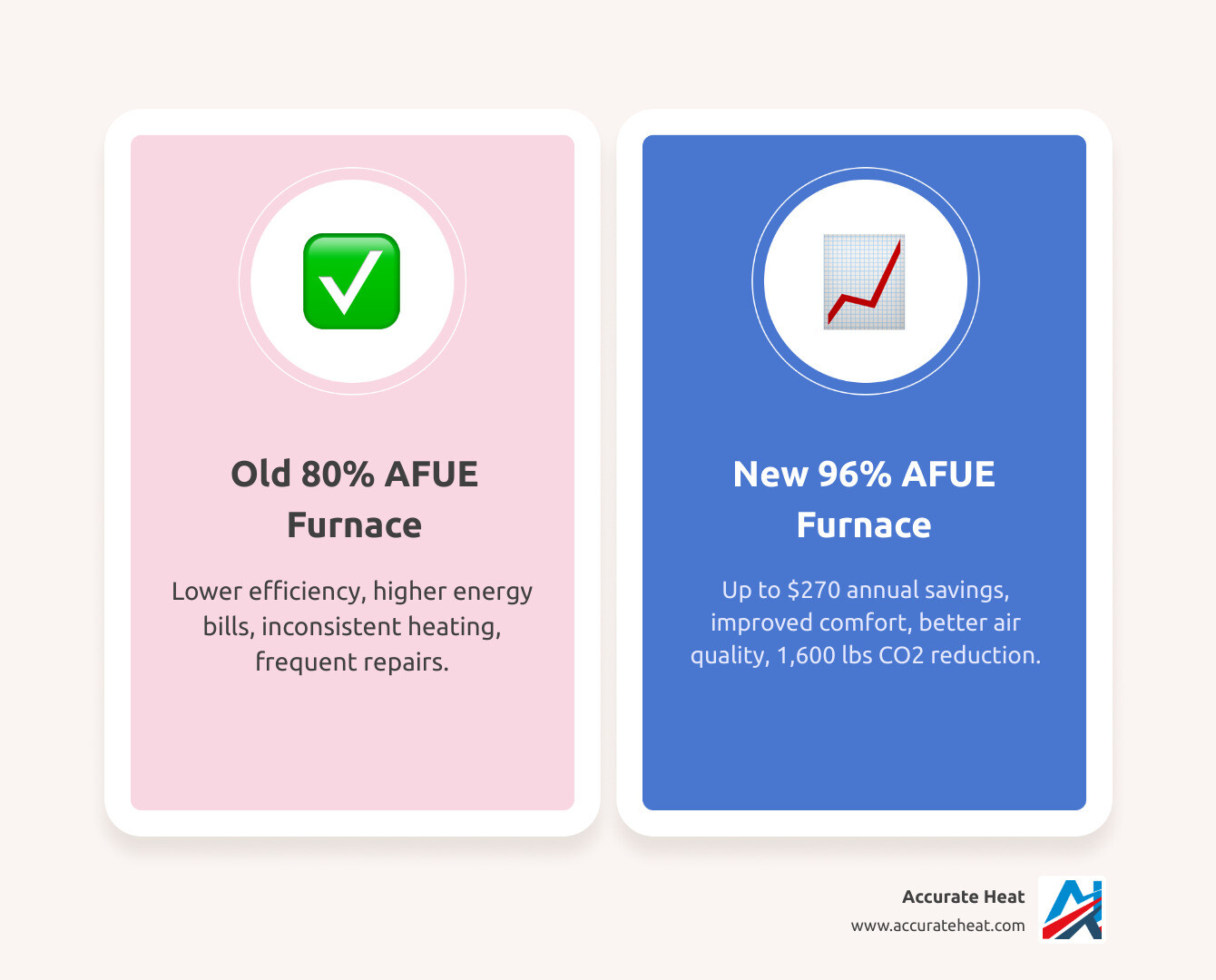
- High-efficiency furnaces (95-98% AFUE) can save up to 50% on energy bills compared to older models
- Mass Save offers rebates up to $1,250 for high-efficiency furnaces, plus 0% financing options
- Licensed professionals ensure safety, proper sizing, and code compliance
When an old furnace fails during a cold snap, homeowners often face a critical decision. If a repair quote is nearly half the cost of a new unit, it’s time to consider a replacement. The choice of who handles the installation isn’t just about swapping out equipment—it’s about ensuring safety, efficiency, and long-term performance.
Improper installation creates serious risks. Furnaces produce carbon dioxide that can be toxic if venting isn’t done correctly. Installing the wrong size unit leads to poor efficiency and costly operation. And in Newton specifically, installers must steer local building codes, noise ordinances, and historic district requirements that many contractors don’t understand.
The good news? Professional furnace installation done right delivers immediate benefits: lower energy bills, improved comfort, better indoor air quality, and peace of mind knowing your family stays warm and safe all winter long.
Tip 1: Verify Credentials and Professional Experience
When it comes to something as vital as your home’s heating system, we cannot stress enough the importance of hiring a professional for your Newton furnace installation. This isn’t a DIY project for a rainy Saturday afternoon, and attempting it yourself can lead to serious consequences.
Why, you ask? Think about the inherent dangers: furnaces produce carbon dioxide, which can be toxic if not properly vented. Gas lines, electrical wiring, and combustion processes are complex and demand specialized knowledge. Improper installation can lead to gas leaks, carbon monoxide exposure, and even fire or explosion hazards. That’s a risk no homeowner should take.
Beyond the immediate safety concerns, manufacturer warranties often require professional installation. If you try to do it yourself, or hire an unqualified individual, you could void your warranty, leaving you on the hook for costly repairs down the line. We believe in doing things right the first time, ensuring your safety and protecting your investment.
Look for technicians who are NATE-certified. This certification ensures they are up-to-date with industry advancements and best practices, guaranteeing a high level of expertise. Our team, with over 30 years of combined experience, brings this level of certified professionalism to every job, ensuring your furnace installation is handled with precision and care. Always confirm that your chosen installer is fully licensed and insured, protecting both their team and your property throughout the installation process.
The Advantages of Choosing a Professional HVAC Company
Choosing a professional HVAC company for your Newton furnace installation offers a multitude of advantages that go far beyond simply getting a new unit in place.
Firstly, professionals ensure absolute code compliance. Local, state, and federal regulations govern furnace installations, and staying up-to-date with these changing standards is a full-time job. We steer these complexities, ensuring your installation meets every requirement, from proper clearances to venting specifications.
Secondly, proper furnace sizing is critical for both efficiency and comfort. An undersized furnace will struggle to heat your home, constantly running and driving up energy bills. An oversized furnace will “short cycle,” turning on and off too frequently, leading to uneven heating, increased wear and tear, and also higher costs. Professionals perform detailed load calculations, considering your home’s size, insulation, window efficiency, and local climate to recommend the perfect BTU (British Thermal Unit) output for your new furnace. This ensures efficient heating and a properly sized unit.
This meticulous approach contributes to long-term performance and offers you invaluable peace of mind. By avoiding costly repairs stemming from improper installation or incorrect sizing, you save money and stress in the long run. Professional installation guarantees your system operates at peak efficiency, providing consistent comfort throughout your home.
Tip 2: Ensure They Understand Newton’s Local Regulations

Newton, Massachusetts, isn’t just any town; it has specific local regulations that impact Newton furnace installation. It’s crucial that your chosen HVAC provider is intimately familiar with these rules. Ignoring them can lead to delays, fines, and even safety hazards.
The Newton Inspectional Services Department is the authority for all HVAC work in the area, and they require permits for furnace installations. This permitting process isn’t just bureaucratic; it ensures that all work adheres to local building codes and safety regulations. A reputable professional will handle the permit applications as part of their service, saving you time and potential headaches.
Furthermore, Newton enforces the Massachusetts stretch energy code for new homes and major renovations. This code promotes higher energy efficiency standards, which can influence the type and efficiency rating of the furnace you can install. Your installer should be knowledgeable about these requirements to ensure your new system complies and qualifies for any potential incentives.
Noise ordinances are another unique aspect of Newton. Chapter 20-13 addresses noise limits, and HVAC equipment, particularly outdoor units (if you’re considering a heat pump alongside your furnace), must comply. Outdoor units typically need to be at least 4 feet from lot lines, and equipment noise cannot exceed background levels by more than 5 dBA at property lines. An experienced local installer will understand these nuances and recommend equipment and placement that meet these standards.
Finally, if your home is in one of Newton’s historic districts, there are additional requirements. The Historic Commission may require approval for the discrete placement or screening of outdoor HVAC units. For historic properties, any exterior modifications, including those for HVAC systems, often require specific applications and approvals. We understand these local intricacies and how to steer them effectively.
Adhering to Safety and Gas Codes
Beyond Newton’s specific regulations, all Newton furnace installation must strictly adhere to broader safety and gas codes. These codes are designed to protect you, your family, and your home from serious hazards.
A cornerstone of gas appliance safety is the NFPA 54 – National Fuel Gas Code. This comprehensive code dictates everything from gas pipe installation to venting requirements. Gas appliance installation requires compliance with local mechanical codes, which are often based on the NFPA 54, and often mandates permits for inspections.
Proper venting is absolutely critical. Furnaces produce combustion byproducts, including carbon monoxide, that must be safely exhausted from your home. This involves correctly sized vent pipes, proper termination points, and ensuring no blockages. For high-efficiency condensing furnaces, this also includes managing condensate drainage, which produces acidic water that needs to be neutralized before entering your home’s drainage system.
Adequate combustion air is also non-negotiable. Modern, tightly constructed homes can sometimes lack sufficient air for combustion, leading to incomplete burning and the production of dangerous carbon monoxide. Your installer will assess your home’s needs and ensure proper combustion air requirements are met, potentially by bringing in outdoor air to prevent negative pressure and downdrafts.
Lastly, gas pipe installation and electrical wiring must be performed by licensed professionals. Electrician wiring permits are distinct and necessary. These specialists ensure that gas lines are correctly sized, sealed, and tested for leaks, and that all electrical connections are safe and up to code. This comprehensive approach to safety and compliance is what we bring to every furnace installation.
Tip 3: Get a Comprehensive Home Assessment for Your Newton Furnace Installation
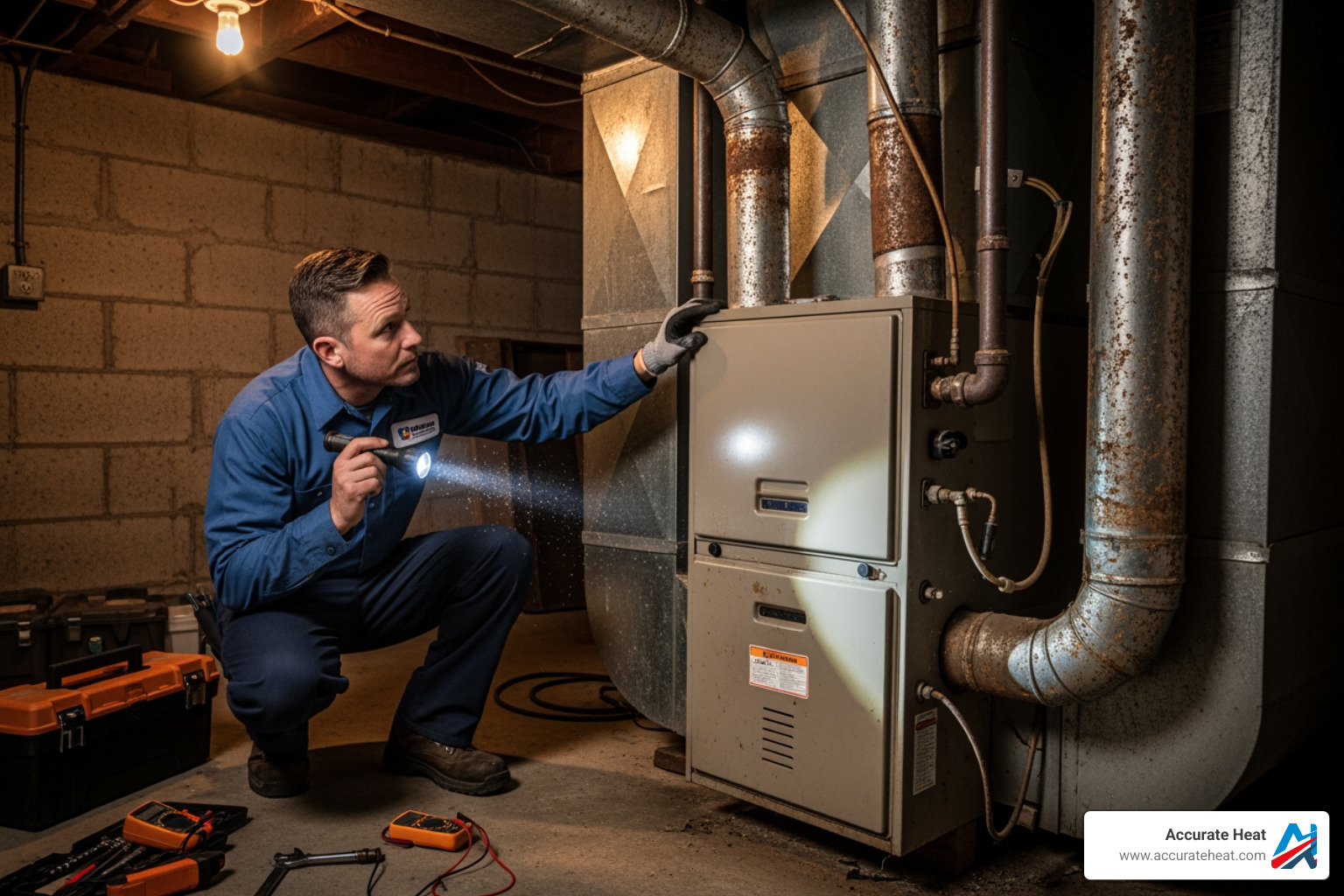
Before starting on a Newton furnace installation, a thorough home assessment is paramount. This evaluation helps determine if a replacement is truly needed and what type of system will best suit your home. So, what are the signs that your trusty furnace might be waving the white flag?
- Age of furnace: Most furnaces have a lifespan of 15 to 20 years. If your unit is approaching or has exceeded this age, it’s likely operating less efficiently and becoming more prone to breakdowns.
- Rising energy bills: Are you noticing your heating costs creeping up, even though your usage habits haven’t changed? An aging furnace loses efficiency over time, meaning it has to work harder and consume more fuel to achieve the same level of heat.
- Frequent repairs: If you’re calling for repairs more often than you used to, or if the cost of a single repair is approaching half the cost of a new unit, it’s a strong indicator that replacement is a more economical choice in the long run.
- Strange noises: Loud bangs, squeals, rattles, or groans coming from your furnace are rarely good signs. They can indicate failing components, a cracked heat exchanger, or other serious issues.
- Yellow burner flame: A healthy gas furnace flame should be blue. A yellow or flickering flame can signal incomplete combustion, which is a potential carbon monoxide hazard.
- Poor indoor air quality: An older furnace might not be filtering air effectively, or it could be contributing to dust and allergens circulating in your home.
Key Factors in Your Newton Furnace Installation Cost
The cost of a Newton furnace installation can vary significantly, ranging from approximately $2,000 to $14,200 or more for new high-efficiency gas furnaces, including professional installation. Several factors influence this range:
- Furnace type: The primary distinction is between gas, oil, and electric furnaces. Gas furnaces are common in our service area, but electric options exist. Heat pumps, while different, are also a consideration (more on those later!).
- AFUE efficiency rating: The Annual Fuel Utilization Efficiency (AFUE) rating indicates how much fuel is converted into usable heat. Higher AFUE ratings (e.g., 90% to 98.5%) mean greater efficiency and lower operating costs, but the units themselves typically cost more upfront.
- Unit size (BTUs): The BTU output needed depends on your home’s heating load. A common rule of thumb is 35-60 BTUs per square foot, but an accurate load calculation is essential. For example, a 2,000 sq. ft. home might require an 80,000 BTU furnace. Proper sizing ensures optimal performance and efficiency.
- Home size and layout: Larger homes or those with complex layouts may require more powerful units or more extensive ductwork modifications, increasing costs.
- Ductwork condition: If your existing ductwork is old, leaky, or improperly sized, it may need repairs, sealing, or even replacement to accommodate your new, more efficient furnace. This adds to the overall cost but is crucial for effective heating.
- Labor rates: Professional labor costs typically range from $50 to $100 per hour per licensed technician, with the total depending on the complexity and duration of the installation, which can take 10 to 15 hours.
- Additional features: Upgrades like zoning systems (allowing different temperatures in various parts of your home), smart thermostats (for improved control and energy savings), or compatible air purity systems can add to the initial investment but offer long-term benefits in comfort and efficiency.
Understanding these factors helps us provide a transparent and accurate estimate for your specific Newton furnace installation needs.
Tip 4: Compare Heating Systems: Furnaces and Other Options
When considering a new heating system for your Newton home, it’s wise to look at your options beyond just a traditional furnace. While Newton furnace installation remains a popular and reliable choice, advancements in HVAC technology have introduced other excellent systems. Let’s compare the most common options:
| System Type | Installation Cost | Operating Cost | Performance in Cold | Energy Efficiency | Available Rebates/Incentives |
|---|---|---|---|---|---|
| Gas Furnace | $2,000 – $14,200+ | Moderate (depends on gas prices and AFUE) | Highly reliable, consistent heat | High-efficiency models 90-98.5% AFUE | Mass Save up to $1,250 for High-Efficiency Hot Air Furnace |
| Electric Furnace | Potentially lower unit cost | Higher (electricity generally more expensive) | Consistent, but can be costly | 100% efficient at converting electricity to heat | Limited specific furnace rebates |
| Heat Pump | Similar to furnace | Can be very low (up to 50% savings from oil) | Excellent in moderate cold, may need supplemental heat in extreme cold | Very high (moves heat rather than generating it) | Mass Save up to $10,000, 0% financing; Federal tax credit 30% up to $2,000 |
(Note: Installation costs are approximate and can vary based on specific home requirements and system features.)
As you can see, each system has its advantages. Gas furnaces offer robust, consistent heat, which is a major comfort during our harsh Newton winters. Electric furnaces are a straightforward option if natural gas isn’t available, though operating costs can be higher.
Heat pumps, on the other hand, offer year-round comfort by providing both heating and cooling in a single system. They are incredibly energy-efficient, especially when switching from oil heating, potentially saving up to 50% on energy bills. The significant rebates and 0% financing available through Mass Save, along with federal tax credits, make heat pumps a very attractive option for many homeowners in our service area.
How Installation Differs for Each System
The installation process for each heating system type has distinct characteristics. Understanding these differences helps you appreciate the expertise required for a proper Newton furnace installation or any other HVAC system.
Furnace Installation Steps:
A typical furnace installation, whether gas or electric, involves several key stages:
- Initial Consultation and Home Assessment: We assess your home’s heating needs and recommend the right furnace size and type.
- Remove the Old Unit: The existing furnace is safely disconnected and removed, which can take several hours, especially if it’s an older, heavy model or if special disposal is required.
- Prepare the Furnace Location: The area is cleaned, and any necessary modifications to the plenum or return air duct are made. The new furnace is positioned and leveled.
- Install the New Furnace: The unit is physically installed, connected to the ductwork, and secured.
- Gas Line and Venting (for Gas Furnaces): If it’s a gas furnace, new gas lines are connected (or existing ones checked for capacity) and tested for leaks. The venting system (often PVC for high-efficiency models) is installed or modified to safely exhaust combustion gases. This is a critical safety step.
- Electrical Requirements: The furnace is wired to your home’s electrical system, ensuring proper grounding and dedicated circuit protection.
- Testing and Thermostat Calibration: Once installed, the system undergoes rigorous testing to ensure proper operation, airflow, and temperature rise. The thermostat is calibrated for optimal performance.
- Final Walkthrough: We explain your new system’s operation, maintenance requirements, and answer any questions you may have.
Professional Newton furnace installation typically takes between 10 to 15 hours, depending on the complexity, whether ductwork modifications are needed, and if an old unit needs removal.
Electric Furnace Installation:
Electric furnaces simplify some aspects, as they don’t require gas lines or venting for combustion byproducts. The primary focus is on ensuring adequate electrical supply and proper wiring for the heating elements and blower motor.
Heat Pump Installation:
Heat pump installation differs significantly as it involves two main components: an indoor air handler (which often looks similar to a furnace) and an outdoor condenser unit. This requires running refrigerant lines between the two units, installing an outdoor pad or wall mount, and ensuring proper electrical connections for both. While the indoor unit integrates with your ductwork much like a furnace, the outdoor component and refrigerant handling add another layer of complexity.
Understanding these differences underscores why choosing an experienced, versatile HVAC professional is key to a successful and safe installation, regardless of the system you choose.
Tip 5: Inquire About Rebates and Ongoing Maintenance
After investing in a new Newton furnace installation, you’ll want to ensure you get the most out of it, both in terms of energy savings and longevity. This brings us to two final, crucial tips: inquiring about available rebates and committing to ongoing maintenance.
Many programs are designed to make high-efficiency heating systems more affordable. These incentives can significantly reduce your upfront costs. A knowledgeable installer will be able to guide you through what’s available and even assist with the application process.
Once your new furnace is humming along, don’t forget about post-installation care. Regular maintenance is the secret sauce to keeping your system running efficiently, extending its lifespan, and minimizing future repairs. Annual tune-ups are essential, typically involving cleaning filters, checking the heat exchanger, lubricating moving parts, and inspecting the blower motor. Think of it like regular oil changes for your car – small investments that prevent major problems.
Navigating Rebates for Your Newton Furnace Installation
Navigating rebates and incentives can feel like a maze, but it’s well worth the effort for your Newton furnace installation. We’re here to help you find and apply for every saving opportunity available.
Mass Save Rebates:
Mass Save is a fantastic resource for Massachusetts homeowners. They offer significant incentives for upgrading to high-efficiency heating and cooling systems. For instance, you could be eligible for up to a $1,250 rebate for a High-Efficiency Hot Air Furnace. If you’re considering a heat pump, the incentives are even more substantial, with instant rebates up to $10,000 and 0% financing through their HEAT Loan program. These programs are designed to make energy-efficient upgrades accessible and affordable.
Federal Tax Credits:
Beyond state-level programs, federal tax credits can also provide savings. For heat pump installations, for example, you can qualify for a federal tax credit of up to 30% of the cost, capped at $2,000. While these specific federal incentives often target heat pumps, it’s always worth checking for any new programs that might include high-efficiency furnaces.
0% Financing (HEAT Loan):
The Mass Save HEAT Loan is a game-changer for many homeowners, offering 0% financing for qualified energy-efficient home improvements, including furnace and heat pump installations. This makes it possible to upgrade your system without a significant upfront financial burden.
A professional HVAC company will not only install your system but also assist you with understanding and applying for these rebates and financing options. We want to ensure you maximize your savings, making your investment in a new, efficient heating system even more rewarding.
Frequently Asked Questions about Furnace Installation in Newton
How long does a typical furnace installation take?
A professional Newton furnace installation typically takes between 10 to 15 hours. This timeframe can vary based on several factors: the complexity of your home’s heating system, whether extensive ductwork modifications are required, and if an old unit needs to be safely removed and disposed of. A straightforward replacement in a readily accessible area might be quicker, while a new installation or one requiring significant system changes will take longer. We always provide a clear timeline after our initial assessment.
What are the main benefits of installing a new furnace in Newton?
Installing a new furnace in Newton offers a wealth of benefits, especially with our challenging winters:
- Energy Efficiency (AFUE): Modern furnaces boast significantly higher Annual Fuel Utilization Efficiency (AFUE) ratings, meaning more of your fuel is converted into usable heat. This leads to substantial energy savings.
- Lower Utility Bills: As a direct result of improved efficiency, you’ll see a noticeable decrease in your monthly heating costs. A new high-efficiency gas furnace can save homeowners hundreds of dollars a year.
- Improved Reliability: New systems are far more reliable, reducing the likelihood of unexpected breakdowns during the coldest months and providing consistent, comfortable heat.
- Better Indoor Air Quality: Newer furnaces often integrate better with advanced filtration systems, leading to cleaner air circulating throughout your home.
- Improved Comfort and Safety: Enjoy more even heating and peace of mind knowing your system is operating safely and effectively, free from the carbon monoxide risks associated with older, failing units.
Do I need a permit for a furnace installation in Newton?
Yes, absolutely. For any Newton furnace installation, a permit is required by the Newton Inspectional Services Department. This is a critical step that ensures your new furnace installation complies with all local building codes and safety regulations. A reputable and professional installer will handle all the necessary permitting processes for you, coordinating with the city to ensure everything is above board. This protects you, ensures the safety of your home, and avoids potential issues during future home inspections or sales.
Your Partner for a Warm and Efficient Newton Home
Finding the right local installer for your Newton furnace installation doesn’t have to be a daunting task. By following these five tips – verifying credentials, understanding local regulations, getting a comprehensive assessment, comparing heating systems, and inquiring about rebates and maintenance – you can make an informed decision that benefits your home and your wallet.
We are Accurate Heat, and we’re proud to be your trusted partner for all your HVAC and plumbing needs in Newton and throughout Massachusetts. With over 30 years of experience, we bring expertise, honesty, and timely solutions to every job. We’re committed to ensuring your home stays warm and efficient, backed by our 24/7 emergency service.
Ready to upgrade your home comfort this winter? Contact us for your HVAC and plumbing needs in Newton, MA.