Is Adding a Bathroom to a Basement Worth It?
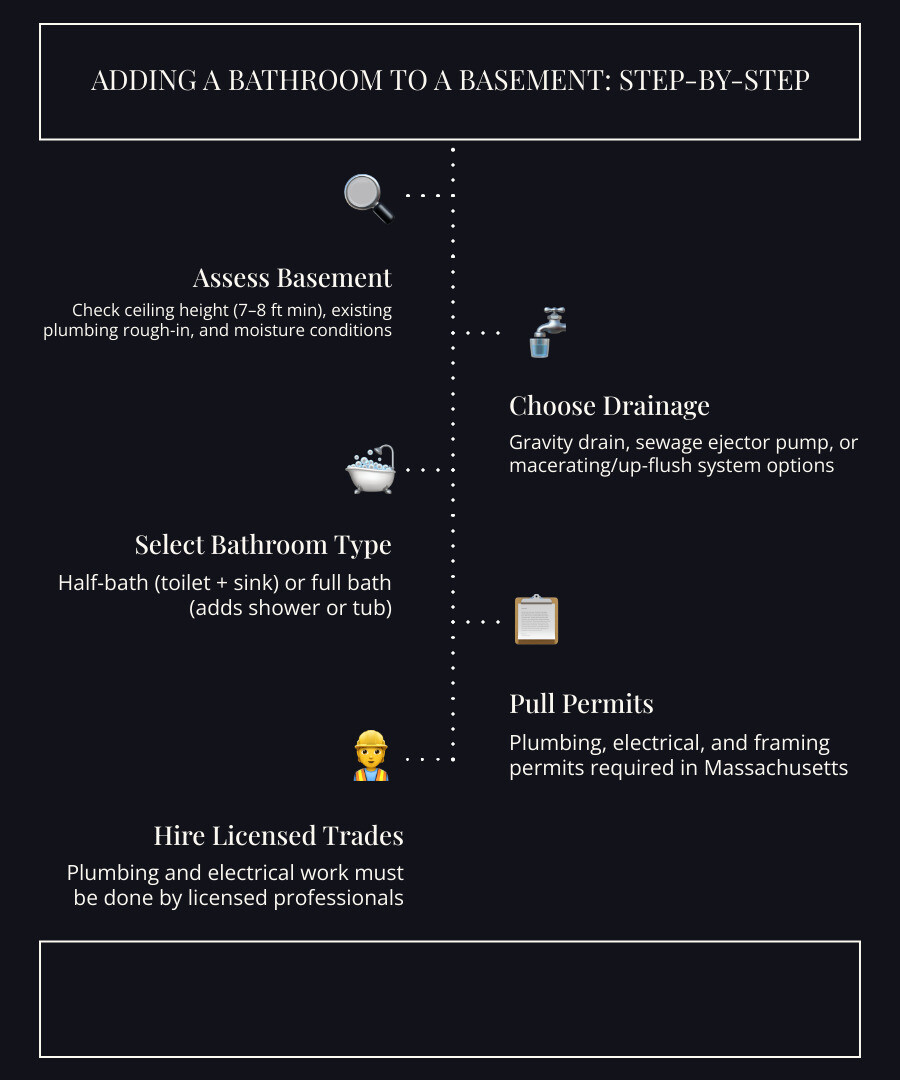
Adding a bathroom to a basement is one of the highest-value upgrades you can make to your home. Here’s what the process involves at a glance:
- Assess your basement — check ceiling height (minimum 7–8 ft), existing plumbing rough-in, and moisture conditions
- Choose a drainage method — gravity drain (requires breaking the slab), sewage ejector pump, or macerating/up-flush system
- Decide on bathroom type — half-bath (toilet + sink) or full bath (adds shower or tub)
- Pull permits — plumbing, electrical, and framing permits are required in Massachusetts
- Hire licensed trades — plumbing and electrical work must be done by licensed professionals
- Complete rough-in, then finishes — waterproofing, framing, fixtures, and ventilation follow in sequence
Most basement bathroom projects take 4 to 8 weeks from planning to final inspection.
Your basement is probably the most underused space in your home. No new addition, no new roofline — just unused square footage sitting below your feet.
Adding a bathroom down there changes that completely. It makes the space more livable for guests, gives family members more privacy, and can meaningfully increase your home’s resale value. According to Realtor.com, a mid-range bathroom addition typically recovers around 54% of its cost at resale — and that number can climb higher in competitive markets.
But a basement bathroom isn’t as simple as installing one on the main floor. Below-grade plumbing creates unique challenges that don’t exist upstairs — and skipping steps or cutting corners can lead to expensive problems later.
This guide walks Massachusetts homeowners through every stage of the process, from planning and permits to plumbing options and final inspection.
Adding a bathroom to a basement further reading:
Technical and Financial Realities of Adding a Bathroom to a Basement

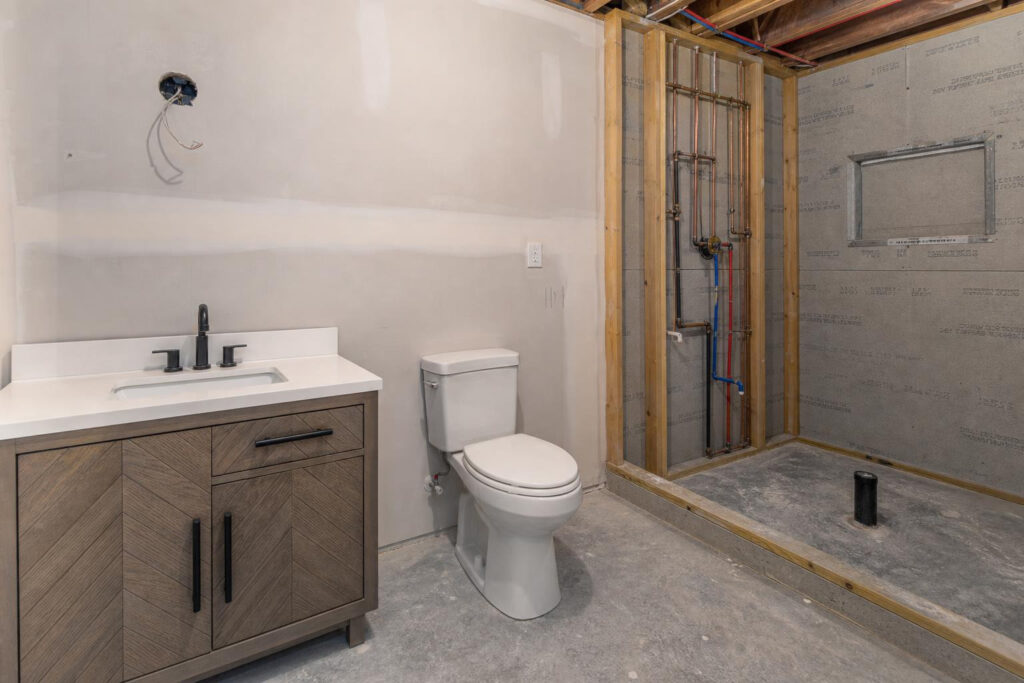
Before you pick out the perfect tile or a modern vanity, you must face the structural realities of working in a subterranean space. Unlike upper levels, where pipes can easily run through joist bays and gravity handles the rest, a basement sits below the main sewer line.
This below-grade drainage reality means you cannot simply hook up a standard toilet and expect wastewater to vanish. Additionally, slab excavation is often required to bury drain lines, which involves cutting and jackhammering through solid concrete.
Structural constraints such as low-hanging ductwork, support columns, and foundation walls will dictate exactly where your new bathroom can go. Working with the existing layout of your home’s mechanical systems is key to avoiding costly structural modifications. For expert help navigating these physical limitations, you can rely on our Trusted Plumbing Services in MA to evaluate your basement’s foundation and structural viability.
Plumbing Drainage Options for Adding a Bathroom to a Basement
When adding a bathroom to a basement, choosing the right way to send waste out of your home is your most important technical decision. You generally have three paths:
- Gravity Drain (Slab Excavation): If your main sewer line is deep enough below your basement floor, you can use a traditional gravity drain. However, this requires breaking up the concrete slab, digging trenches, laying PVC pipe, and repouring the concrete. It is labor-intensive but provides a completely silent, traditional bathroom setup.
- Sewage Ejector Pump: When your sewer line is higher than the basement floor, gravity can’t do the work. A sewage ejector system collects waste in a sealed basin buried in the floor. When the waste reaches a certain level, a pump kicks on and pushes it upward into the main sewer line.
- Macerating / Up-Flush Toilet: If you want to avoid breaking the concrete slab entirely, a macerating system (often called an up-flush toilet) is a fantastic alternative. These units sit behind the toilet or inside a small wall cavity. They grind up waste (much like a garbage disposal) and pump it upward through narrow, easily concealed pipes. To see how these systems come together step-by-step, you can check out this guide on Family Handyman.
Each method has its pros and cons regarding noise, maintenance, and structural disruption. For a seamless setup, our team at Accurate Heat provides comprehensive Kitchen & Bathroom Plumbing Services to help you design the ideal drainage layout.
Estimating the Cost of Adding a Bathroom to a Basement
The overall investment required for adding a bathroom to a basement depends heavily on your choice of fixtures, the complexity of the rough-in plumbing, and whether you are building a half-bath or a full bath.
| Feature / Cost Driver | Half-Bath (Powder Room) | Full Bathroom (with Shower/Tub) |
|---|---|---|
| Space Required | Minimal (approx. 15–20 sq. ft.) | Moderate to Large (35–40+ sq. ft.) |
| Slab Work | None if using up-flush; moderate if trenching | High (requires shower drain plumbing) |
| Ventilation Needs | Standard exhaust fan | High-capacity fan with moisture sensors |
| Return on Investment | Good (adds convenience for social spaces) | Excellent (essential for guest suites) |
Rough-in plumbing is typically the largest variable. If your home was built with “rough-ins” (pre-installed drain lines capped under the concrete), your costs will be significantly lower. If we have to cut concrete or install a high-end sewage ejector pump, the initial investment will increase.
Other factors include permit fees, fixture quality, and labor. While a DIY approach for cosmetic finishes can save money, hiring licensed professionals for the structural, electrical, and plumbing work is a must to protect your investment. For more details on budgeting and design considerations, read The Basement Guide.
Permits, Building Codes, and Inspections
Never skip the permit process! It might be tempting to complete a basement project quietly, but unpermitted work can void your homeowner’s insurance and create massive head-scratchers when you try to sell your home.
In Massachusetts, local building codes are strict. If you live in Franklin, Medfield, Newton, or any surrounding MetroWest town, you will need separate building, electrical, and plumbing permits.
Key code requirements include:
- Ceiling Height: Most local codes require a minimum finished ceiling height of 7 feet in habitable spaces and bathrooms.
- GFCI Protection: All electrical outlets must be GFCI-protected and placed safely away from water sources.
- Egress Windows: If your basement bathroom is part of a larger remodel that includes a bedroom, you must have a code-compliant egress window.
- Plumbing Inspections: A local inspector will need to view the rough-in plumbing before the walls are closed up, and again for a final inspection once the fixtures are installed.
Waterproofing, Ventilation, and Moisture Control
Basements are naturally damp, cool, and prone to humidity. Adding a shower or tub to this environment is an open invitation for mold and mildew if you don’t take the proper precautions.
First, you must address any existing moisture issues. If your basement has damp walls or floor cracks, these must be sealed before framing begins. Applying a high-quality vapor barrier to the concrete walls and using moisture-resistant drywall (greenboard) or cement board behind tile is essential.
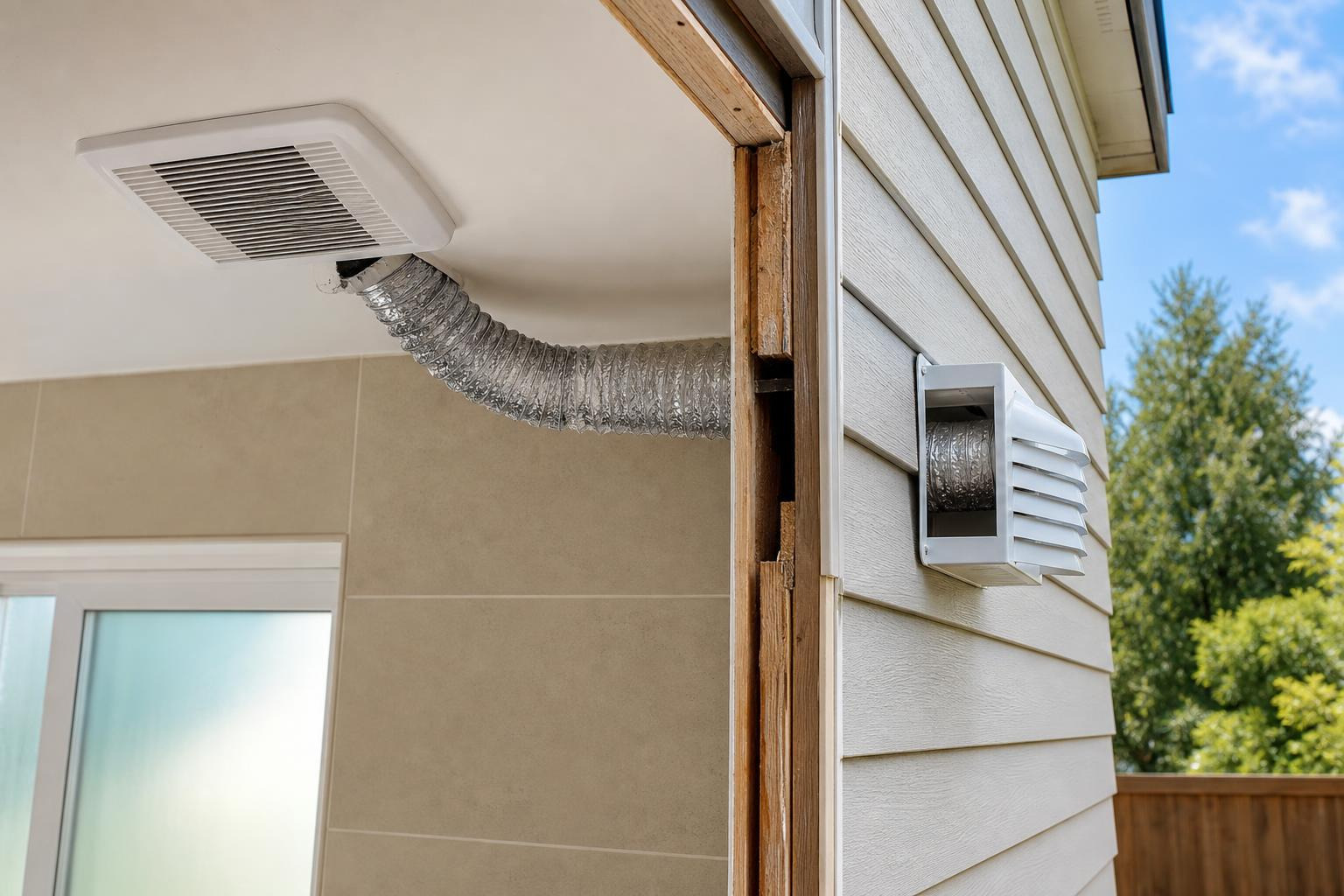
Second, proper ventilation is non-negotiable. Building codes require a dedicated exhaust fan. We recommend a fan rated for at least 50 CFM (cubic feet per minute), though a higher rating is better if you have a steam shower. The exhaust duct must vent directly to the outside of your home — never into your joist cavities or attic.
To learn more about identifying hidden water issues early, check out 15 Clever Ways to Detect a Water Leak Under Your Floor and read our comprehensive overview on The Cracks in Your Foundation: A Guide to Understanding and Addressing Leaks.
Determining the Best Location and Layout
To keep your project running smoothly, location is everything. The closer you can position your new basement bathroom to the existing main plumbing stack, the easier (and less expensive) the drain and vent line installation will be.
If you can place the bathroom directly beneath an upstairs bathroom, you can often tie directly into the existing water lines and drain stack with minimal pipe runs.
Don’t forget to look up! Avoid placing your bathroom directly under major structural beams or heavy HVAC ductwork, as this will severely restrict your ceiling height. If space is tight, look for creative layouts, such as tucking a small half-bath under a basement staircase.
Conclusion: Ensuring a Safe and Compliant Installation
Adding a bathroom to your basement is a rewarding home improvement project that elevates your lifestyle and boosts your property’s long-term value. While the process takes several weeks of coordination, planning, and hard work, the final result is well worth the effort.
However, because below-grade plumbing, electrical work, and moisture management are so complex, this is not a project to tackle as a pure weekend DIY. A single mistake in your drain slope or venting can lead to sewer gases backing up into your home or slow-moving leaks behind your new walls.
When you are ready to take the next step, Schedule professional plumbing services with the local experts at Accurate Heat. We have served homeowners in Franklin, MA, and throughout the surrounding communities for over 30 years, ensuring your home renovations are safe, code-compliant, and built to last.
Avoiding Common Mistakes and Hiring Professionals
As you plan your basement bathroom, keep these common pitfalls in mind:
- Skipping Permits: This creates a major liability at resale and can lead to code violations.
- Poor Ventilation: Under-sizing your exhaust fan will lead to peeling paint and mold growth.
- Incorrect Drain Slope: Horizontal drain lines must have a precise slope (typically 1/4 inch per foot) to prevent chronic clogs.
- Cutting the Slab Blindly: Always have a professional verify where existing sub-slab utilities run before jackhammering.
By working with a licensed plumber, you guarantee that your drainage systems, venting, and water supply lines are installed perfectly the first time, keeping your home dry, safe, and comfortable for years to come.